
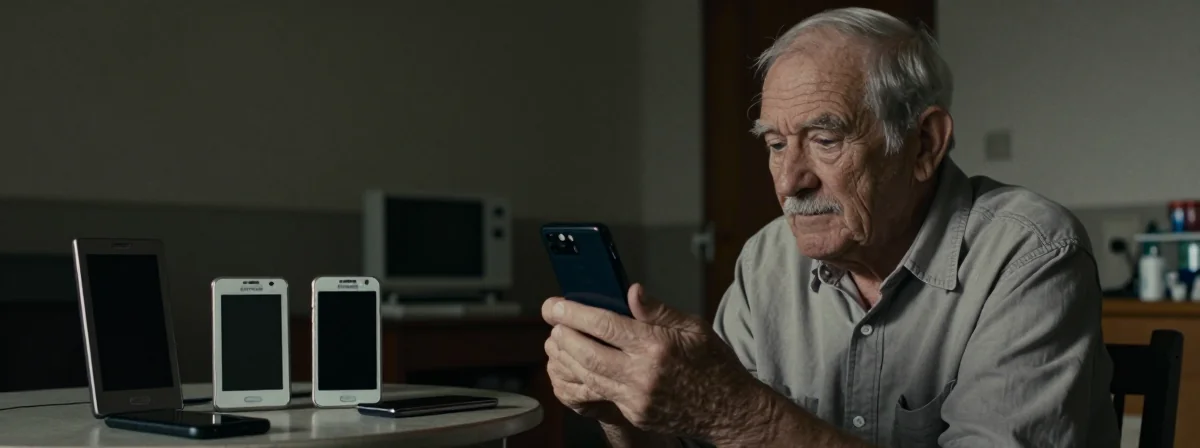
I’ve seen it all—phones that last a decade and devices that die after two years. Samsung’s approach to updates and hardware keeps coming up in conversations. Here’s the thing nobody’s talking about—the way Samsung handles planned obsolescence isn’t just a negative; for some users, it’s exactly what they want.
SIDE A Samsung’s ecosystem works brilliantly for users who love the upgrade cycle. Their phones get top-tier specs each year, and the software updates push you toward the latest features. When you’re tired of your device, Samsung makes it easy to trade in and get a new model with cutting-edge technology. The February update that broke eSIM functionality for some users? That’s the kind of deliberate push that keeps the ecosystem fresh—forcing you to either adapt or upgrade.
SIDE B On the other hand, some users cherish longevity above all else. They want a device that works perfectly for years without forced changes. These users might stick with brands that offer longer software support or even consider iPhones for their predictable lifecycle. They don’t want surprises like sudden feature removals or update incompatibilities that leave them stranded.
THE REAL DIFFERENCE After years of using both approaches, I’ve realized the key difference isn’t the hardware itself but the philosophy behind the software. Samsung’s “planned obsolescence” isn’t random—it’s a calculated way to match device performance with software demands. When you’re running resource-heavy features like the desktop environment or advanced multitasking, you actually need the latest hardware to keep up. The S931U1 issues weren’t arbitrary; they were the result of pushing features beyond what older hardware could sustainably support.
THE VERDICT From experience, if you’re someone who loves new features and doesn’t mind upgrading every 2-3 years, Samsung’s approach is perfect for you. You get to experience the latest tech without worrying about legacy support. But if you prefer a device that lasts 5+ years without forced changes, you might want to look elsewhere. Samsung’s ecosystem is designed for the former—not the latter.
Don’t see planned obsolescence as a negative—see it as a feature that matches your usage patterns. If you’re always eager for the next upgrade, Samsung has your back. If you’re not, maybe it’s time to reconsider what you really want from a device.