
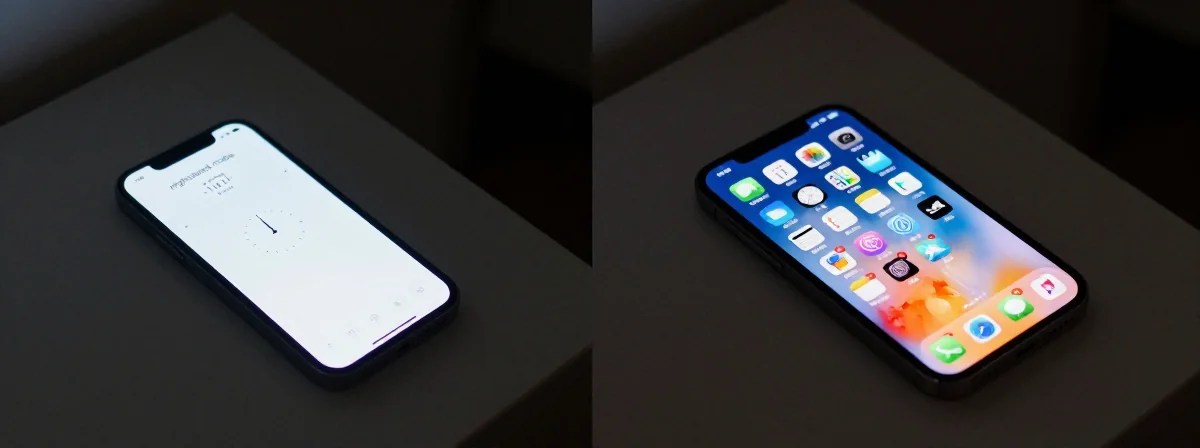
People keep asking me how to get the most out of their device screens—especially when they want something simple like a nightstand display. Here’s the thing nobody’s talking about: the difference between nightstand mode and traditional screen access isn’t just about features—it’s about how you actually use your device every day.
Time to Level Up
SIDE A Nightstand mode is designed for specific scenarios—like when your device is charging and lying flat on a surface. It’s perfect for those who want a clean, distraction-free clock or alarm display right on their nightstand. The device has to be in just the right position—horizontal and charging—which makes it ideal for dedicated users who want a hassle-free setup. If you’re someone who values simplicity and a purpose-built experience, nightstand mode delivers exactly that.
SIDE B Traditional screen access, on the other hand, is all about flexibility. You can wake your device by simply lifting it, no matter where it is or how it’s positioned. This method is great for people who need quick, on-the-go access or who don’t want to worry about charging and positioning requirements. If you’re the type who uses your device in all sorts of situations, this approach gives you the freedom to do what you need, when you need it.
THE REAL DIFFERENCE Here’s what most people miss: nightstand mode isn’t just about accessing a screen—it’s about optimizing your environment. After years of using both, I’ve realized that nightstand mode is for those who want their tech to fit into their lifestyle, not the other way around. The requirement to have the device charging and horizontal isn’t a limitation—it’s a design choice that forces you to think about how and where you use your device. Traditional access is about convenience, but nightstand mode is about intentionality.
THE VERDICT From experience, if you’re setting up a dedicated spot for your device—like a nightstand or a home office desk—go with nightstand mode. It’s the clear winner for focused, purpose-driven use. But if you’re someone who moves around a lot or needs instant access in various positions, stick with traditional screen access. It’s the clear winner for flexibility and everyday convenience.
Go Get It
Don’t just choose based on what sounds better—think about how you actually use your device. If you’re ready to commit to a specific setup, nightstand mode will transform your experience. If you need something that adapts to you, traditional access is the way to go. Make the choice that fits your life, not the other way around.