
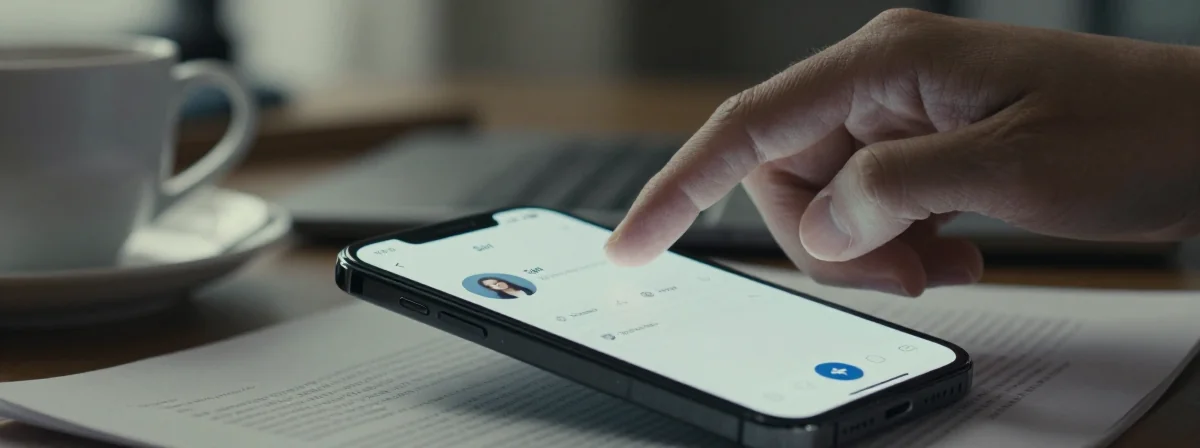
Have you ever been in the middle of a conversation, only to have your iPhone suddenly chime with Siri’s voice, completely out of the blue? It’s not just a minor annoyance—it’s a disruption that pulls us from the present moment, creating a subtle but persistent friction in our daily digital lives. Like a pebble dropped in still water, these unexpected activations send ripples through our focus and peace.
The digital landscape we navigate each day is designed to be intuitive, but sometimes these systems develop quirks that mirror the unpredictable nature of our own minds. When Siri activates without invitation, it’s as if the boundary between intention and action has blurred—much like the moments when we act on impulse without fully considering the outcome.
I’ve observed that these technical glitches often reveal something deeper about our relationship with technology. They serve as gentle reminders that even our most advanced tools require our mindful attention and occasional recalibration.
Why Does Siri Seem to Wake Up on Its Own?
The phenomenon of Siri activating without the proper wake word isn’t merely a technical malfunction—it’s often a symptom of something more subtle. Think of it like a muscle that’s learned a new habit without your conscious direction. Over time, the system has begun to associate certain movements or sounds with the activation command, even when they’re not intended as such.
When you raise your wrist to check the time on your Apple Watch, for instance, the subtle sounds of movement, combined with ambient noise, might create a pattern that the system has mistakenly learned to recognize as “Hey Siri.” It’s similar to how we might find ourselves reaching for our phones without conscious thought—these are patterns that develop beneath the surface of awareness.
The wrist-raising motion is particularly interesting because it combines physical movement with the proximity of the device to your mouth. This creates a perfect storm for accidental activations, as the system tries to make sense of the input it’s receiving. Like a tree whose branches grow toward sunlight, the system is constantly adapting to the patterns it perceives.
The Subtle Cost of Constant Interruptions
Each time Siri activates unexpectedly, it’s not just a momentary disruption—it’s a small withdrawal from your reservoir of focus. Consider how these moments accumulate throughout your day. Like a leaky faucet that drips constantly, they may seem insignificant individually, but over time they create a substantial drain on your mental energy.
The modern mind is already operating with diminished attention reserves. We’re constantly navigating between tasks, notifications, and demands on our focus. When we add unexpected digital interruptions to this mix, we’re essentially asking our already taxed attentional systems to work harder, creating a subtle but persistent state of mental fatigue.
Think of your attention as a garden that requires cultivation. Each unexpected activation is like a weed that sprouts without warning, requiring your attention to remove it before you can return to tending the flowers you meant to nurture. The cumulative effect is a garden that never quite reaches its full potential.
How to Reset Siri’s Learning Without Losing Your Mind
The solution often lies in what the discussion hinted at—resetting Siri’s learning. This isn’t merely a technical fix; it’s a form of digital decluttering that allows you to start fresh. Much like how we might clear clutter from our physical spaces to create room for new possibilities, resetting Siri’s learning patterns creates space for more intentional interactions.
The process of resetting isn’t just about erasing problematic patterns—it’s about creating an opportunity to establish new, more mindful habits. When you reset Siri’s learning, you’re essentially giving yourself permission to retrain the system with your specific voice patterns and commands, much like how meditation allows us to retrain our attentional habits.
Interestingly, this process mirrors the way we might approach a difficult conversation or a challenging relationship. Sometimes, the most effective solution isn’t to force the issue but to create space—both literally and metaphorically—for a fresh start. In the case of Siri, this means giving the system a chance to learn from scratch, with your conscious guidance.
The Mindful Approach to Digital Assistants
Beyond the technical solutions lies a deeper practice—one of mindful technology use. When we approach our digital assistants with intention rather than defaulting to habit, we transform them from potential sources of frustration into tools that genuinely support our well-being.
Consider how you might interact with Siri differently if you viewed each activation as an opportunity for mindfulness practice. Instead of reacting with frustration, you might take a moment to observe the impulse to respond, the feeling of annoyance, and then consciously choose your next action. This transforms a technical issue into a spiritual practice.
The relationship we have with our technology reflects the relationship we have with ourselves. When we’re reactive and frustrated with our devices, it often mirrors how we might be reactive and frustrated with our own thoughts and emotions. By cultivating a more mindful approach to technology, we’re simultaneously cultivating a more mindful approach to life itself.
What Your iPhone’s Behavior Reveals About Your Digital Boundaries
The way Siri behaves—whether predictably or unexpectedly—can serve as a mirror reflecting your digital boundaries. When the system activates randomly, it might be highlighting areas where your boundaries with technology have become blurred or undefined.
Think about how you interact with your devices throughout the day. Are there moments when you’re using them without conscious intention? Are there times when you’re responding to notifications without pausing to consider whether they truly require your attention? These patterns often extend to how the system perceives and responds to your interactions.
Establishing clear digital boundaries isn’t about rejecting technology—it’s about using it more intentionally. When you reset Siri’s learning, you’re not just fixing a technical issue; you’re redefining your relationship with your digital assistant, and by extension, with technology more broadly.
The Stillness Beyond the Noise
Ultimately, the random activations of Siri serve as gentle reminders of the stillness that exists beyond the digital noise. Each unexpected chime is an invitation to return to presence, to notice how easily we can become caught in automated responses and patterns.
In the same way that a sudden noise in nature can bring us fully to the present moment, these digital interruptions can serve as anchors to awareness. Rather than viewing them solely as problems to be solved, we can see them as opportunities to practice presence and intentionality.
The most profound solutions often lie not in fixing what’s broken but in changing our relationship to what is. When we approach Siri’s activations with curiosity rather than frustration, we open ourselves to insights about our digital habits and our capacity for mindful engagement with technology.
The true peace we seek isn’t found in a perfectly functioning device but in our ability to navigate the inevitable imperfections with grace and awareness. Like the stillness that exists within a storm, our capacity for mindfulness remains even when our digital world seems chaotic.