
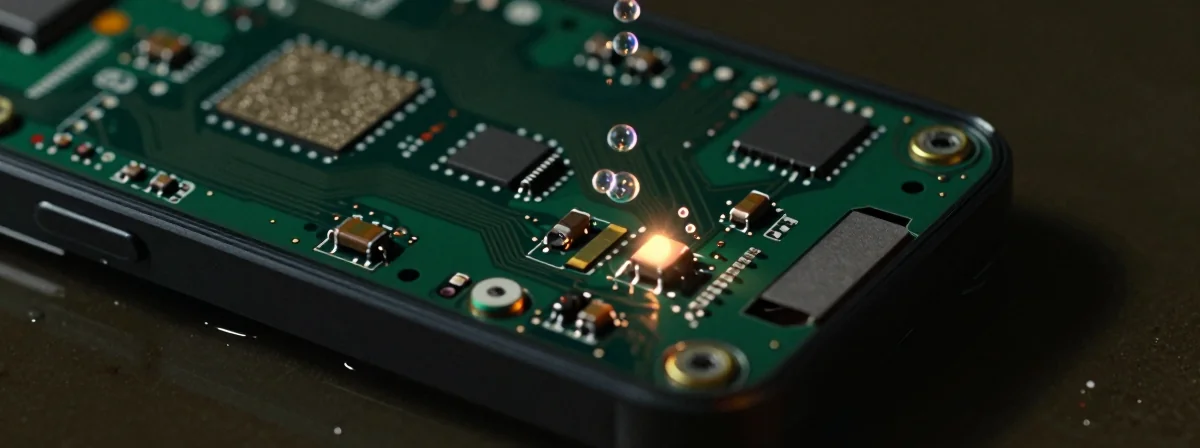
Technology has woven itself so deeply into our lives that a damaged device can feel like a personal crisis. That sinking feeling when your phone takes an unexpected swim—whether in the sink, toilet, or worse, salt water—is universal. We’re conditioned to believe the worst: that our expensive device is permanently ruined. But what if that assumption is exactly what manufacturers want us to believe?
The truth about water damage and modern phones is far more complex than the simple “it’s dead” narrative we’re sold. Water resistance ratings are real, but they’re not invincibility shields. And certain types of damage, particularly from salt water, trigger a cascade of problems that aren’t always immediately obvious. Understanding these nuances could save you hundreds, if not thousands, of dollars and prevent unnecessary electronic waste.
Modern smartphones represent incredible engineering achievements, with components packed tighter than ever before. Yet, when it comes to water damage, we’re often given a binary choice: repair (at exorbitant costs) or replacement. This framework conveniently ignores the middle ground and the specific factors that determine a device’s actual condition after water exposure.
Should You Immediately Assume Your Phone Is Beyond Saving After Water Exposure?
The knee-jerk reaction to water damage is often panic, followed by the assumption that the device is permanently compromised. While this can be true in severe cases, jumping to conclusions without assessment is rarely wise. The initial hours after water exposure are critical—not just for your phone’s potential survival, but for your financial decision-making.
Consider this: water resistance ratings (like IP68) are standardized tests under controlled conditions. They don’t account for real-world variables like water pressure, duration of exposure, or, critically, water composition. Fresh water behaves very differently from tap water, which is radically different from salt water. Each contains different minerals and contaminants that interact uniquely with electronic components.
Before you commit to the financial equivalent of buying a new device, a methodical assessment is essential. This doesn’t mean denial—acknowledging the seriousness of the situation while avoiding premature conclusions is the hallmark of effective problem-solving. The difference between a $50 repair and a $1,000 replacement often hinges on factors you can’t see with the naked eye.
Why Salt Water Is the Ultimate Enemy of Your Smartphone
All water isn’t created equal when it comes to electronic devices. While any liquid exposure is problematic, salt water represents a particularly insidious threat that manufacturers rarely highlight in their marketing materials. The sodium chloride in salt water is highly conductive and corrosive, creating a double whammy for sensitive electronics.
When salt water enters a device, it doesn’t just wet components—it creates electrolytic pathways that can cause short circuits even after the device has dried superficially. Worse, as the water evaporates, it leaves behind salt crystals that continue to conduct electricity and corrode metal contacts, including those in charging ports and internal connectors. This is why devices that seem to function initially after salt water exposure often fail weeks or months later.
The immediate recommendation to rinse with fresh water isn’t just good advice—it’s critical intervention. Fresh water can help dilute and flush out salt residue before it has a chance to cause permanent damage. However, this only works if done promptly. Once salt has begun crystallizing on internal components, the damage may already be done, regardless of subsequent cleaning efforts.
How a Cracked Screen Can Sabotage Your Phone’s Water Resistance
We often focus on the obvious damage—the cracked screen, the malfunctioning button—while overlooking how secondary damage can compound problems. This is particularly true with water resistance. Many modern phones achieve their impressive water resistance ratings through meticulous sealing around ports, buttons, and screens.
A cracked screen, even if it’s just the back panel or a hairline fracture, can compromise these seals. Water resistance isn’t about making devices waterproof; it’s about creating barriers that can withstand a certain pressure and duration of exposure. Once these barriers are breached—whether by a manufacturing defect, wear and tear, or physical damage—the device’s actual water resistance can plummet dramatically.
This explains why phones that should theoretically be water resistant sometimes fail when exposed to liquids: the seals that maintain resistance have been compromised. What starts as a cosmetic issue (a crack) becomes a functional catastrophe when the device encounters water. This interplay between different types of damage is why a comprehensive assessment is so important—it connects seemingly unrelated issues that manufacturers present as isolated problems.
Could Wireless Charging Be Your Unexpected Lifeline After Water Damage?
When conventional charging methods fail after water exposure, many assume the entire device is compromised. This is where thinking outside the manufacturer’s prescribed solutions can yield surprising results. Wireless charging bypasses the damaged or corroded charging port, offering a potential pathway to recovery that many users overlook in their panic.
The principle is simple: if the internal battery and charging circuitry are intact, wireless charging can deliver power without needing to engage the compromised port. This isn’t a guaranteed solution—water may have damaged components beyond the charging port itself—but it’s worth exploring before writing off the device entirely. Modern smartphones are designed with this redundancy in mind, though it’s rarely highlighted in troubleshooting guides.
This approach also highlights a broader truth about technology: manufacturers design devices with specific failure modes in mind. They anticipate certain types of damage and build in solutions, but these solutions are often obscured by the primary user experience. Exploring alternative approaches—like wireless charging after port damage—reveals these hidden design elements and can save devices that would otherwise be deemed unrecoverable.
When Replacement Actually Makes More Sense Than Repair
Despite our efforts to save water-damaged devices, there are times when replacement is the more rational choice. This isn’t about giving up—it’s about recognizing when continued investment in a device isn’t aligned with its actual value or longevity. The decision should be based on objective criteria, not emotional attachment or panic.
Consider these factors: the age of your device, the extent of damage (visible and potential), the cost of repair versus replacement, and the environmental impact of both options. Sometimes, a repair that costs 70% of a new device’s price buys you only a few months of additional functionality, making the financial math straightforward. Other times, a relatively inexpensive repair can extend a device’s useful life for years, making it the more sustainable choice.
The key is to approach the decision systematically, rather than reactively. Create a cost-benefit analysis that includes not just immediate expenses but also long-term functionality and environmental considerations. This balanced approach acknowledges technology’s value while respecting its limitations and our own financial constraints.
The Hidden Environmental Cost of Premature Device Replacement
Every time we replace a device prematurely—whether due to water damage or other issues—we contribute to a growing electronic waste problem. The average smartphone contains dozens of rare earth minerals extracted through environmentally damaging processes, assembled in energy-intensive factories, and transported across the globe. Each replacement represents not just financial cost but ecological cost.
Repair-first approaches aren’t just financially prudent—they’re environmentally responsible. When we extend the useful life of a device through repair, we reduce the demand for new manufacturing, conserve resources, and minimize electronic waste. This isn’t about clinging to outdated technology; it’s about making conscious choices that align with both our needs and our values.
Manufacturers have a vested interest in the planned obsolescence cycle—they profit from constant upgrades. As consumers, we can disrupt this cycle by demanding repairability and making informed decisions about when repair makes sense and when replacement is truly necessary. This shift in consumer behavior could reshape the entire electronics industry toward more sustainable practices.
What We Lose When We Automatically Opt for Replacement
Beyond the financial and environmental costs, there’s a human cost to our increasingly disposable relationship with technology. Each device we replace without serious consideration represents more than just an object—we’re losing personal history, customized settings, and the subtle familiarity that comes with using a device over time.
Technology should serve us, not dictate our patterns of consumption. When we automatically opt for replacement over repair, we cede control to the manufacturers’ upgrade cycle. We lose the opportunity to develop a more mindful relationship with our devices—one that values functionality and longevity over novelty and constant novelty.
The next time your device encounters water damage, consider the full picture: not just the immediate problem, but the broader implications of your solution. What we choose to do with our damaged devices reflects our values and shapes our future relationship with technology. In making these choices thoughtfully, we reclaim agency in a world increasingly defined by technological acceleration.