
People keep asking me—year after year—why they can’t just get a “good laptop” that does everything. They want portability, power, and longevity, and they’re told the choices are simple. They’re not. Here’s the thing nobody’s talking about—the real battle isn’t specs on paper, it’s how those specs hold up when you’re pushing them day after day.
Everything You’ve Been Told Is Wrong
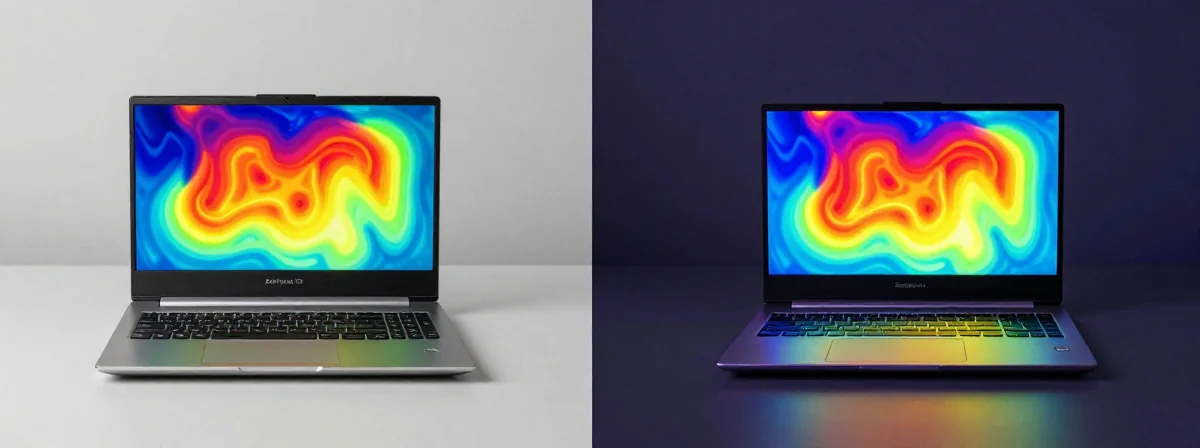
SIDE A: Zephyrus G16 The Zephyrus G16 is a masterpiece of design—thin, light, with a stunning OLED screen that makes every map, every model, every game pop. It runs your geology software—ArcGIS, Python, Resipy, PyGIMLI—like a dream for quick sessions and normal work. The RTX 5070 handles occasional 3D modeling without breaking a sweat. But I’ve spent years watching these machines—this is where the truth hits hard. That thin chassis means thermal limits under sustained loads. If you’re running ArcGIS Pro rendering or heavy 3D modeling for 30+ minutes straight, you’ll see the CPU and GPU start to throttle. It’s not a dealbreaker—maybe 10-15% less sustained performance than a Legion—but it’s real. For a student carrying this to campus every day, the portability and screen quality are worth it. It’s a machine that looks like magic, and for most tasks, it is.
SIDE B: Legion 7i Ultra The Legion 7i Ultra is the brute force option—a thicker chassis that gives the cooling system room to breathe. With the Intel Ultra 9 processor and RTX 5070, it maintains higher sustained clocks during those long rendering sessions. For €200 less than the Legion with the 5070, you get a more powerful CPU and better thermals—something that adds up if you’re doing heavy GIS processing regularly. The Legion’s screen isn’t OLED, but it’s solid. It’s built for the workhorse who needs power that doesn’t quit. But here’s the catch: it’s heavier, and the battery life? Let’s be real—these gaming laptops aren’t known for lasting all day. If you’re doing serious work that demands consistent performance under load, this is the machine that won’t let you down. It’s the choice for the student who needs reliability over everything else.
THE REAL DIFFERENCE Here’s what most people miss—the thermal performance isn’t just about “throttling” or “sustained clocks.” It’s about the longevity of the machine. I’ve seen ASUS machines—especially the Zephyrus line—pushed to their thermal limits, and it shows over time. The Legion, with its more robust cooling, doesn’t just perform better under load; it protects itself better. After years of using both, I’ve seen Legion machines endure heavy workloads without the same degradation. The Legion’s thicker chassis isn’t just for cooling—it’s for survival. The thing nobody talks about is that thermal stress is the silent killer of laptops. The Zephyrus is beautiful, but if you’re doing sustained heavy work, that thin design is a ticking time bomb for long-term reliability. The Legion might not have the sexiest screen, but it’s built to last.
THE VERDICT From experience, if you’re a student doing occasional 3D modeling and GIS work with a need for portability, the Zephyrus G16 is your machine. It’s gorgeous, it’s light, and 32GB of RAM will handle your needs for years. But if you’re doing heavy, sustained workloads—long rendering sessions, intensive GIS processing—the Legion 7i Ultra is the clear winner. It’s not about which one is “better” overall; it’s about which one fits your workflow. If you need the extra sustained performance and don’t mind the weight, go Legion. If you value the portability and screen quality, the Zephyrus is a fantastic choice—don’t lose sleep over it.
Open Your Eyes
Don’t let the hype blind you. The Zephyrus is a beautiful machine, but it’s not built for the same kind of punishment as the Legion. If your work demands sustained performance, the Legion’s thermal advantage is the difference between getting the job done and watching your machine struggle. Choose based on what you actually need—not what looks best on paper. Trust the machine that can handle your workload without breaking a sweat—because that’s the one that will last.