Ever wonder why your photos sometimes feel incomplete or why certain compositions just don’t work? The answer might lie in something most photographers never talk about: aspect ratios. While you’re busy framing the perfect shot, your camera might be silently cropping your image in ways that permanently alter what you intended to capture. This isn’t just a technical detail—it’s a fundamental aspect of photography that can make or break your work.
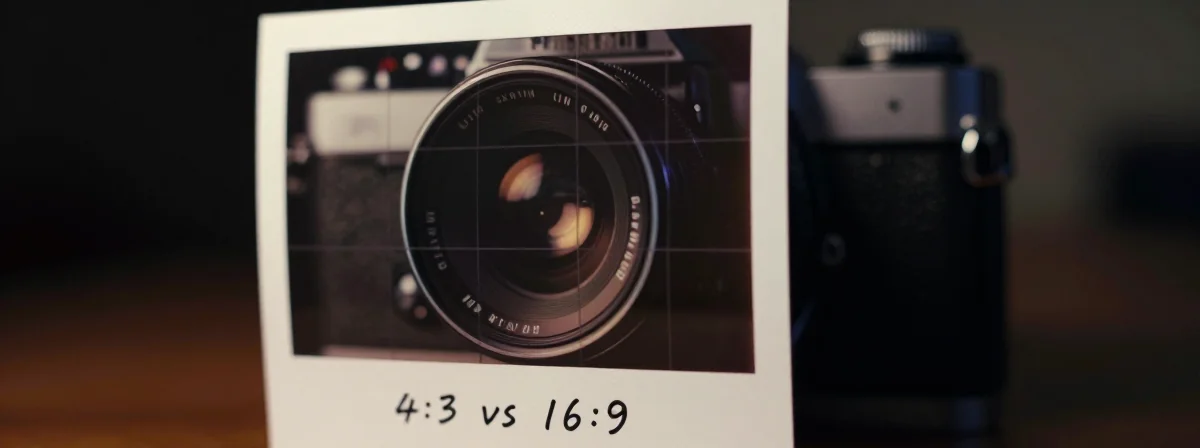
The physical sensor in most cameras, including smartphones, is designed for a 4:3 aspect ratio. When you switch to 16:9 or other formats, you’re not just changing the frame; you’re cropping away parts of your sensor’s data. That means you’re losing information that could never be recovered. It’s like cutting off the edges of a painting before you even hang it—sure, you can crop later, but what if you need that extra space?
Most modern cameras, including iPhones, offer 16:9 as an option, but it’s purely a cropped version of the 4:3 sensor output. When you switch from 4:3 to 16:9 in your camera app, you’ll notice the image gets zoomed in and the sides are trimmed. This isn’t just a display effect; it’s a permanent alteration of your data. Some cameras even have a “View Outside the Frame” setting that shows what you’re cutting off—but many users don’t know this exists, leading to unintentionally cropped photos.
BlackMagic Camera and other third-party apps might seem like solutions, but they’re still working with cropped data. The only way to truly capture the full potential of your sensor is to stick with 4:3 and crop later if needed. This approach gives you maximum flexibility and ensures you never accidentally cut off important details.
Why 4:3 Should Be Your Default Setting
The 4:3 aspect ratio isn’t just a throwback to older cameras; it’s a deliberate choice that maximizes your sensor’s capabilities. When you shoot in 4:3, you’re using the entire surface of your sensor, capturing more detail and dynamic range. This is especially important in low-light conditions, where every pixel counts. Cropping to 16:9 means you’re discarding valuable data that could have improved your photo’s quality.
Consider this: if you take a photo in 16:9 and later decide you want a 4:3 crop, you can do that without losing quality. But if you take a 16:9 photo and later need more width, you’re out of luck. This asymmetry is why professional photographers often prefer shooting in the widest possible format and cropping later. It’s like buying a large canvas—you can always crop it down, but you can’t magically add more canvas later.
Modern smartphones, like iPhones, often default to narrow aspect ratios like 19.5:9 to fit screen designs. But this is a compromise for display purposes, not for photography. When you switch to 4:3 or 16:9, you’re still working within the constraints of that narrow default. That’s why some settings, like “View Outside the Frame,” exist—they’re attempts to mitigate the damage of these forced crops.
The Hidden Cost of On-the-Fly Cropping
On-the-fly cropping might seem convenient, but it comes at a steep cost. Every time you switch to a non-native aspect ratio, you’re making irreversible decisions about your composition. This is especially problematic when shooting moving subjects or in rapidly changing scenes. What if the person you’re photographing moves into the cropped area? You’ll never get that moment back.
Some cameras claim to offer “digital zoom” or “lossless zoom” when switching aspect ratios, but these are just marketing terms for cropping. The sensor isn’t magically creating new data; it’s just showing you a smaller portion of what it already captured. This is why professional photographers often shoot in RAW and widest possible formats—they want to retain as much information as possible for post-processing.
Even advanced cameras like BlackMagic’s offerings can’t change the fundamental physics of their sensors. They might offer more control or better algorithms, but they’re still constrained by the native aspect ratio of their sensors. This is why understanding your camera’s limitations is so important—it’s the first step to working around them.
How to Take Control of Your Composition
If you want to take control of your composition, start by setting your camera to 4:3 and leaving it there. This gives you the flexibility to crop later without losing quality. Most camera apps now allow you to see the full frame, even when shooting in 4:3, so you can compose with confidence. If you need a 16:9 crop, do it in post-processing where you have full control over the final image.
Third-party apps can help, but they’re not magic bullets. They might offer more aspect ratio options, but they’re still working with the data your camera captured. The key is to capture as much data as possible upfront and make cropping decisions later when you have more context. This approach is especially important for professional work, where every detail matters.
Even casual photographers can benefit from this mindset. When you shoot in 4:3, you’re giving yourself options later. You can crop to 16:9, 1:1, or any other ratio without losing quality. This flexibility is worth more than the convenience of on-the-fly cropping, especially when you consider how many photos you might regret later.
The Future of Aspect Ratios in Photography
As sensors continue to improve, we might see more flexible options for aspect ratios. Some experimental cameras already allow for dynamic aspect ratios, capturing multiple formats simultaneously. But for now, the best approach is to stick with the native aspect ratio of your sensor and crop later as needed.
This isn’t just about technical correctness; it’s about creative freedom. When you’re not constrained by forced crops, you can experiment more with composition and framing. You can capture more context and detail, giving yourself more options in post-processing. This is the future of photography—not more constraints, but more freedom.
Even as technology advances, the fundamental principles of photography remain the same. Understanding your tools, including aspect ratios, is the first step to mastering your craft. Don’t let convenience features like on-the-fly cropping limit your creative potential. Embrace the full capabilities of your camera and give yourself the flexibility to create the best possible images.
The next time you pick up your camera, consider setting it to 4:3 and leaving it there. You might be surprised at how much more control you have over your final images. After all, photography is about capturing moments, not about being constrained by technical limitations. Let your creativity lead, and let the technology follow.