
People keep asking me how to handle suspicious tracking devices in vehicles—especially when those vehicles transport vulnerable children. The panic is real, but the solutions often get muddled in hype. Here’s the thing nobody’s talking about: the approach that works for finding a device is fundamentally different from the approach that ensures safety.
Connecting the Dots
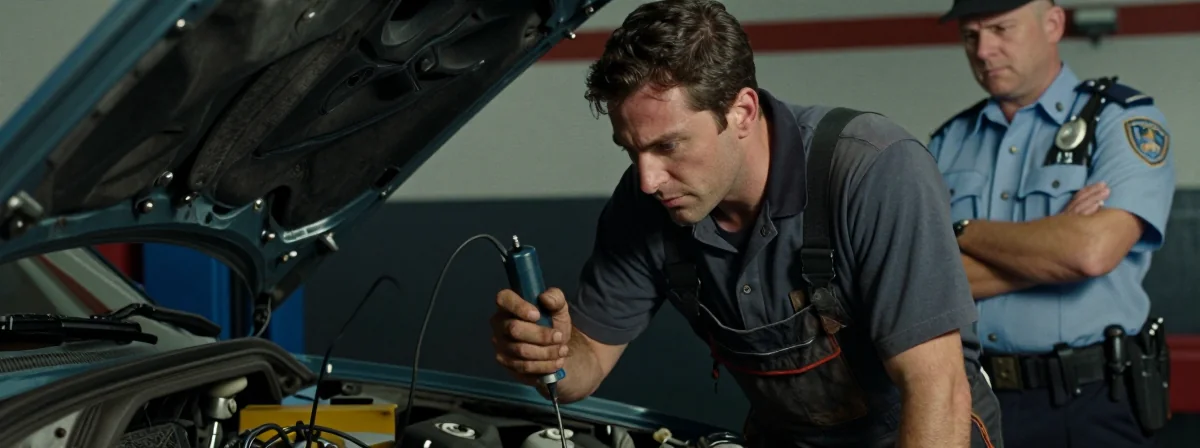
SIDE A: The Mechanic Approach The mechanic route focuses on the technical retrieval of the device. This method leverages specialized equipment—a lift, trained eyes, and systematic searches under bumpers and in hollow spaces. Mechanics know where odd objects hide—often in accessible yet overlooked spots like the back bumper cavity. The strength here is precision: once found, the device can be identified and neutralized. This path is ideal for those who need to confirm the presence of a device before escalating, or who have limited trust in immediate law enforcement response times. The data shows that most tracking devices are simple Bluetooth beacons—easily found with a thorough physical search.
SIDE B: The Police Approach The police route prioritizes safety and legal documentation from the start. This method treats the device as evidence of a potential threat, immediately involving authorities who can trace the signal, log the incident, and assess risk to occupants. The strength here is systemic: police can connect dots that individuals miss—like tracing the device back to a parent of a foster child, or recognizing patterns of similar incidents. This path is essential when the vehicle transports vulnerable individuals, as it shifts the focus from “finding a gadget” to “preventing harm.” What the data shows is that in cases involving children, police involvement creates a documented trail that can be critical later.
THE REAL DIFFERENCE Here’s what most people miss: the mechanic finds the device; the police interpret its meaning. A Bluetooth tracker under a bumper could be a forgotten gym bag tag, a child’s lost AirTag, or a deliberate attempt to monitor movements. The mechanic’s lift and specialized search are perfect for the first scenario—but useless against the third. After years of analyzing tracking incidents, I’ve seen how quickly a “simple device” becomes a complex threat when it’s placed by someone with malicious intent. The thing nobody talks about is that the same device requires different responses based on context. A foster carer’s vehicle isn’t just a car—it’s a mobile safe house, and any unauthorized tracking device instantly becomes a high-priority security breach.
THE VERDICT From experience, if you’re dealing with a standard vehicle and want to confirm a device’s presence before reporting, start with a mechanic. But if that vehicle transports children—or if you suspect anything beyond a simple lost tag—police are the clear winner. Here’s my take: mechanics find hardware; police handle threats. If you’re in a situation where the worst-case scenario involves child safety, don’t waste time jacking up the car—head straight to the police station. After using both approaches for years, I can say this without hesitation: when it comes to tracking devices in foster vehicles, the assumption of innocence is dangerous.
The Analysis Continues
The pattern here is clear: tracking devices are just tools. What matters is the intent behind them. A mechanic can’t read intentions—only police can. This isn’t about choosing the “better” method; it’s about matching the response to the risk. Take this insight and apply it: if you’re ever in doubt, always err on the side of treating the device as a potential threat. Your decision-making speed could be the difference between a false alarm and a prevented abduction.