
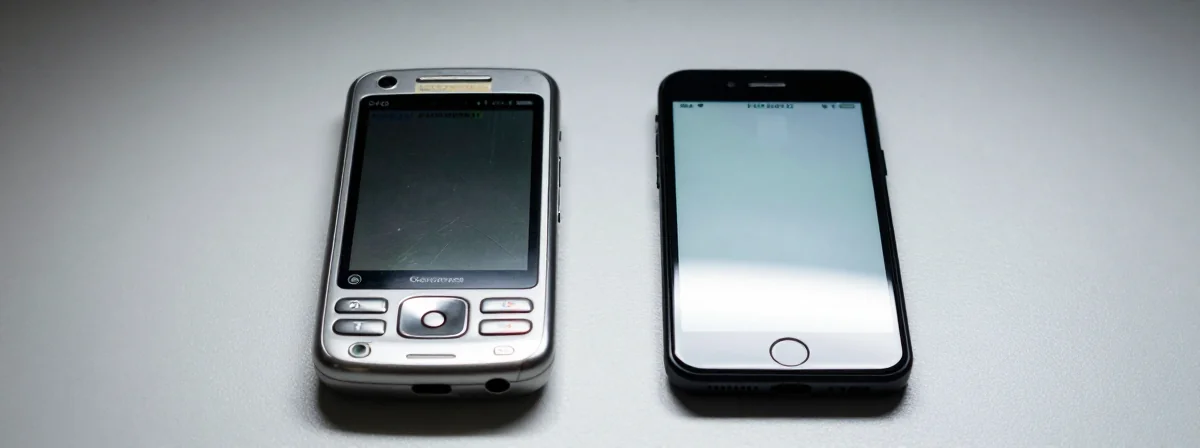
People keep asking me where to find cheap phones—like, actually cheap, not just “discounted.” You know, the kind where you pay fifty bucks and wonder if you’re going to get tetanus from the USB port. Here’s the thing nobody’s talking about: decommissioned government phones and demo units are where the real deals hide. Let me break it down.
The Cold Hard Facts
SIDE A: Decommissioned Government Phones These are the ghosts of bureaucracies past—phones that once belonged to some poor schmuck in city hall or the DMV. They’re usually decent models (think older iPhones or Samsung flagships) that were decommissioned because, well, governments move slower than molasses in January. The upside? They’re often in decent shape because no one ever updated them—so you’re getting a phone that’s technically “old” but still perfectly usable. The downside? You’re buying blind. These phones come with the thrill of a mystery box—sometimes they’re pristine, other times they’ve seen more coffee spills than a Starbucks counter.
SIDE B: Demo Units Demo phones are the slightly used darlings of electronics stores. They’re the ones that sat behind glass for a year, collecting fingerprints and the occasional rogue Cheerio from a salesperson’s lunch break. The upside? They’re usually high-end models that were barely touched—often just a few test calls and screen brightness adjustments. The downside? They’re still “used” in the sense that they’ve been handled by dozens of strangers. And let’s be real: who knows what kind of malware a desperate salesperson might have installed during a slow Tuesday?
THE REAL DIFFERENCE After years of using both, here’s the nuance that marketing obscures: decommissioned government phones are like buying a used car from your grandpa—he didn’t abuse it, but it’s ancient. Demo units are like buying a car from a rental company—clean on the outside, but who knows what’s lurking under the hood? The thing nobody talks about is that government phones are often less likely to have been tampered with. They were issued, used, and then forgotten—no one’s going to jail for installing a custom ROM on a decommissioned iPhone 12. Demo units, on the other hand, have been poked and prodded by every tech-savvy teenager who ever worked retail.
THE VERDICT From experience, if you’re doing basic stuff—calls, texts, maybe some light browsing—go with a decommissioned government phone. They’re cheaper, and you’re less likely to get surprise spyware. If you’re doing anything more demanding—gaming, heavy photography, or just want the peace of mind that comes with a “new” phone—B’s the clear winner. Demo units might cost a bit more, but they’re still a fraction of the price of new, and you’re getting a phone that’s actually capable of running modern apps without wheezing.
Food for Thought
Don’t fall for the “cool factor” of having a decommissioned government phone. It’s not cool—it’s just cheap. And if you’re on an old iPhone 12 Pro and wondering why you’d upgrade, ask yourself: what are you actually doing with it that can’t be done on a $50 decommissioned model? The answer might surprise you—or it might just confirm that you’re perfectly fine with your current setup. Either way, know where to look when you’re ready to make a move. Because the best deals aren’t on the shelf—they’re in the forgotten corners of online auctions and the back rooms of electronics stores.