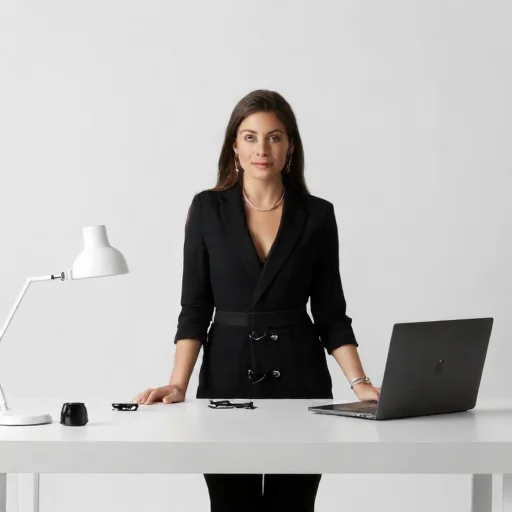

You just bought a laptop that looks incredible. The chassis is sleek, the screen is crisp, and the specs are top-tier. But the price tag stings. Why? Because you’re being hit with a $100 surcharge just to have Windows slapped onto a hard drive you didn’t ask for.
Would you pay that surcharge? Probably not. Yet, millions of consumers do it every day. We accept the premium because the alternative feels risky. The idea of a blank screen is terrifying to the average user. But for those who care about performance and aesthetics, that “blank screen” is actually a blank canvas—a masterpiece waiting to be created.
The truth is, you are likely paying a premium for a product you intend to remove the moment you unbox it. The operating system shouldn’t be the defining feature of a laptop; the hardware should be. When you pay extra for a pre-installed OS, you aren’t buying convenience. You are buying a license to be annoyed.
Would You Pay $100 for Something You’ll Delete?
Let’s get real about the math. Paying a premium for an operating system feels like a hidden tax. It is a massive overcharge that manufacturers rely on because they know most people are afraid to wipe the drive. They count on the “I don’t know how to install an OS” panic to pad their margins.
For a tech enthusiast, this is baffling. If you know how to reinstall a system, that $100 surcharge is pure profit for the manufacturer. It is a $100 fee for a digital key that costs them pennies. The irony is that you are paying to have a slower, bloated version of that OS installed, which then has to be wiped to get the performance you paid for in the first place. A clean install is always faster, lighter, and more aesthetically pleasing than a factory restore.
The “Clean Slate” Aesthetic
There is a distinct aesthetic to a blank slate. It represents potential. When you buy a laptop without an OS, you own the machine completely. You aren’t inheriting someone else’s mess—no pre-installed trials, no bloatware slowing down your boot times, and no advertisements baked into the interface.
The performance difference is tangible. A machine with a fresh OS feels snappy and responsive. It feels like a premium product. A machine with factory bloatware feels like a budget device. If you care about design, you care about the user experience. A clean interface is a design choice. A cluttered one is a failure of engineering. Buying without an OS ensures that the first thing you see is your desktop, not the manufacturer’s logo.
The Activation Trap and Microsoft’s Control
The situation with Windows activation has become increasingly hostile. It used to be simple. Now, Microsoft has made it difficult to activate a legitimate license without a constant internet connection. They have removed offline activation options and embedded keys deep into the BIOS, making it a nightmare to transfer a license to a new machine.
When you buy a laptop with an OS, you are essentially surrendering control of your hardware to a subscription model mindset. You are locked into their ecosystem. If you want to wipe the drive and start fresh, you might find yourself fighting activation errors. It feels controlling. It feels like the manufacturer is selling you the hardware, but Microsoft is renting you the right to use it.
Why Manufacturers Won’t Give You Options
You might wonder why companies don’t offer a “No OS” option as standard. The answer is simple economics and ignorance. Manufacturers know that a significant portion of the population lacks the technical literacy to install an operating system. Estimates suggest only about 15% of users truly understand how to manage their OS.
They aren’t designing for the tech-savvy minority; they are designing for the average consumer who wants to turn it on and go. If they offer a “No OS” option, they risk alienating the majority of their customer base. It is a business decision to maximize volume, not a reflection of what the market actually wants or needs.
The Linux Dilemma
The only real alternative to Windows is Linux. It offers a clean, secure, and free environment. However, it is still a niche player in the desktop space, holding roughly 3% of the market share. While that number is growing, it is not yet a threat to Microsoft’s dominance.
For a manufacturer to include Linux on a retail shelf, they have to cater to a very specific, small audience. The cost of offering multiple OS configurations outweighs the potential sales from that small group. Until Linux captures a larger share of the market, you will have to look elsewhere—like the secondary market or online retailers—to find the clean slate you crave.
Reclaiming Your Hardware
Ultimately, the laptop belongs to you. It is a tool, and like any tool, it should be customized to your needs. Paying a premium for a pre-installed operating system is an outdated practice that benefits the manufacturer more than the user.
By choosing to buy without an OS—or by wiping it immediately—you reclaim the value of your purchase. You strip away the layers of corporate control and bloatware to reveal the raw, beautiful machine underneath. It is a small act of rebellion in a world of subscriptions and forced updates. It makes your technology feel personal again.