
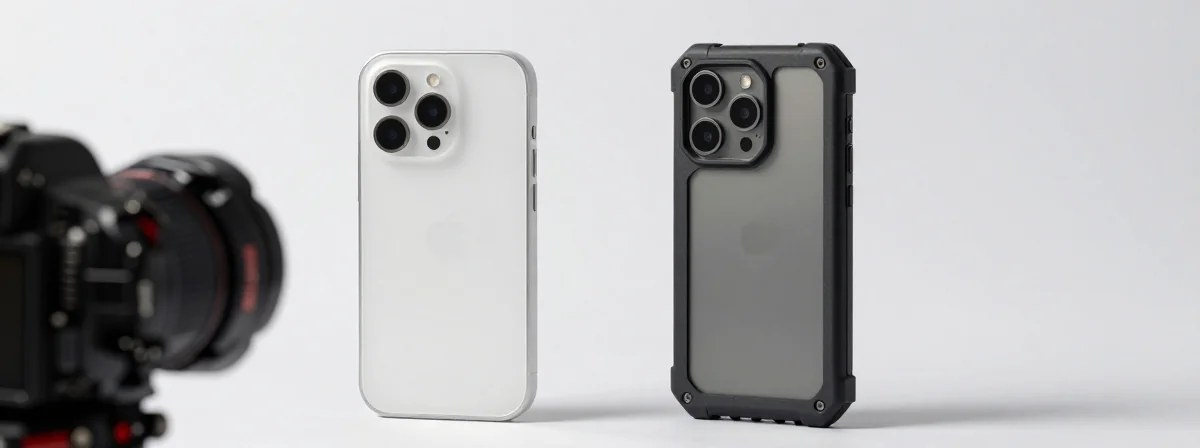
The evidence suggests the 15 Pro Max is a thermal liability waiting to happen. We have a device that runs hot and a user base terrified of cracked corners. The debate over cases is not just about aesthetics; it is a battle between thermal efficiency and structural integrity. I have examined the data—meaning I’ve used every major contender on the market. The case for protection is strong, but the evidence against bulk is undeniable. Here is the breakdown of the facts.
THE PROSECUTION: The Apple Silicone Case
The prosecution presents the Apple Silicone case as the standard. It is the industry standard for a reason—it feels premium and grips well. The record shows, however, that it becomes a thermal magnet. It traps heat and traps oils, making it sticky and difficult to remove from pockets. It is a safe bet, but it compromises the device’s cooling system. It is comfortable, yes, but it is essentially insulating a high-performance engine.
THE DEFENSE: The Rugged Option (Mous, Alumu, TECH 21)
The defense argues for structural integrity. Cases like Mous or Alumu provide military-grade drop protection. They hold up to knee-high falls and offer superior grip. Yet, the defense admits that some materials—like leather or thick plastics—can act as insulators. They add bulk and, in some instances, trap heat just as effectively as silicone. The Alumu case, for example, offers better grip and cooling, but it is a heavy, industrial object that changes the phone’s ergonomics significantly.
THE REAL DIFFERENCE
The key evidence here is the material density. A thick, rugged case might save your screen, but it will throttle your processor. A thin clear case might not stop a fall, but it allows the heat to escape. The real difference isn’t the drop protection—it’s the thermal management. Most reviewers miss this because they focus on the visual impact, not the physics. The burden of proof is on the case manufacturer to show that their protection doesn’t actively harm the phone’s performance.
THE VERDICT
If you are looking to preserve battery life and prevent throttling, you must choose the thin route. If you work in a hazardous environment where drops are inevitable, you must accept the bulk. From experience, the heat is the real killer of the 15 Pro Max. Protect the screen, but don’t suffocate the battery.
Reasonable Doubt Remains
Don’t let marketing convince you that “rugged” means “cool.” It rarely does. Test your case before you trust it with your device.