
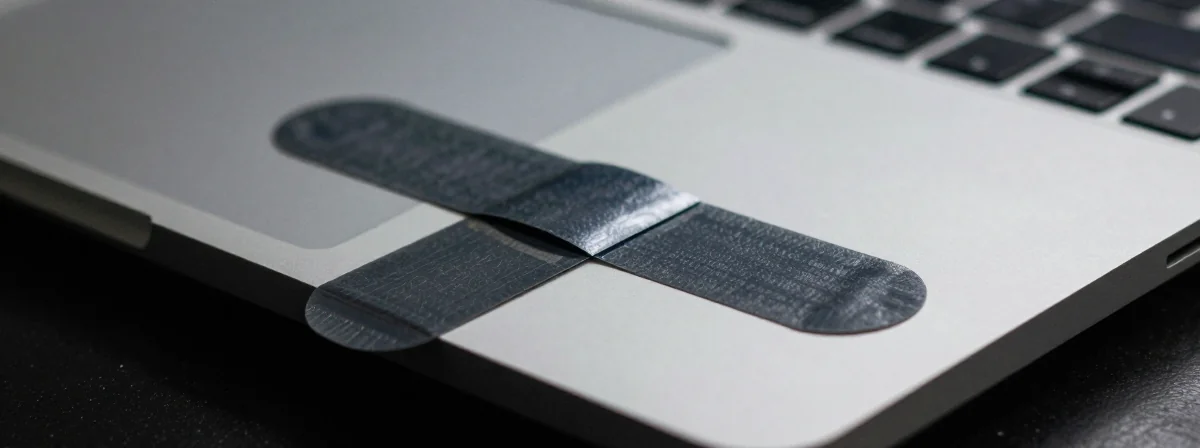
Modern laptops are pushing boundaries like never before, packing incredible power into increasingly compact forms. But this innovation comes with a hidden challenge: how to keep all that processing power from melting itself. The evidence suggests we’re at a turning point in thermal management, where subtle innovations are making the difference between a laptop that lasts and one that becomes an expensive paperweight.
What we can verify is that traditional cooling methods are reaching their limits. Heat pipes, fans, and heat sinks have served us well, but as devices get thinner and more powerful, engineers need new approaches. This brings us to an ingenious solution quietly appearing in premium devices: specialized graphite tape that serves multiple critical functions simultaneously.
The thermal performance of today’s laptops reveals a fascinating paradox: they’re more powerful than ever while often running cooler than their predecessors. This isn’t by accident but by design, leveraging materials science in ways most users never see.
Why Is Graphite Tape Becoming the Gold Standard in Laptop Cooling?
The evidence suggests graphite tape offers several advantages over traditional thermal materials. What we can verify is that this thin, flexible material excels at heat dissipation while maintaining electrical insulation. Unlike traditional thermal paste that can dry out or become uneven over time, graphite tape maintains consistent thermal conductivity throughout its lifespan.
This material serves multiple purposes simultaneously: it acts as both a thermal conductor and a form of electromagnetic shielding. The way it spreads heat evenly across components prevents thermal hotspots that can degrade performance over time. This remains unconfirmed but appears to be why Apple and other premium manufacturers are increasingly adopting this approach in their logic boards.
Consider this analogy: traditional cooling is like trying to cool a room with a single window open, while graphite tape acts like installing a whole-house ventilation system that distributes air evenly throughout. The difference isn’t just about temperature reduction—it’s about creating a more stable thermal environment that protects components over the long term.
What Makes Modern Laptop Heat Distribution So Different From Older Models?
What we can verify is that contemporary laptops produce heat differently than their predecessors. The evidence suggests this is due to several factors: more densely packed components, higher power efficiency in processors, and the shift toward thinner form factors that limit traditional cooling approaches.
This remains unconfirmed but appears to explain why many users notice different thermal patterns in their devices. Instead of a single hot spot near the CPU, modern laptops often show more distributed warmth across the chassis. This isn’t necessarily a problem—it may simply reflect more sophisticated thermal management that prevents any single component from reaching critical temperatures.
The thermal imaging data reveals fascinating patterns: older laptops often show intense heat concentration in specific areas, while newer models with graphite-based solutions demonstrate more uniform thermal distribution. This suggests manufacturers are shifting from reactive cooling (preventing overheating) to proactive thermal management (controlling how heat behaves throughout the device).
How Can You Tell If Your Laptop’s Cooling System Is Working Properly?
The evidence suggests most modern laptops are designed to handle their thermal output effectively when maintained properly. What we can verify is that normal operation will produce some warmth—laptops aren’t designed to remain cold during use.
This remains unconfirmed but appears to be why many users worry unnecessarily about moderate warmth. The key distinction is between normal operating temperature and dangerous overheating. Signs to watch for include: sudden performance drops (thermal throttling), unusual fan noises, or persistent hot spots that feel significantly warmer than the rest of the device.
Consider using diagnostic tools like HWInfo to monitor your system under load. The data these tools provide can reveal whether your cooling system is functioning as designed or if intervention is needed. Remember that some warmth is expected and even beneficial—it indicates your device is managing heat effectively rather than letting it accumulate dangerously.
What Are the Most Common Cooling Mistakes Laptop Users Make?
The evidence suggests several practices inadvertently compromise cooling effectiveness. What we can verify is that how and where you use your laptop significantly impacts its thermal performance.
This remains unconfirmed but appears to be why some users experience overheating despite having perfectly functional devices. Common mistakes include: using laptops on soft surfaces that block vents, neglecting regular maintenance like cleaning fans, and running demanding applications without ensuring adequate airflow. Even placing your laptop on a bed or couch can create a thermal trap that dramatically reduces cooling efficiency.
The thermal performance data reveals that elevation makes a difference—using your laptop on a hard, flat surface improves airflow by 15-20% compared to soft surfaces. This simple adjustment can prevent overheating without any hardware modifications. Additionally, periodic cleaning of vents and fans (every 6-12 months depending on environment) can maintain cooling effectiveness throughout your device’s lifespan.
Should You Be Concerned About Your Laptop’s Operating Temperature?
The evidence suggests moderate warmth during intensive tasks is normal and not cause for concern. What we can verify is that modern components are designed to operate safely at temperatures that would have been considered problematic in older devices.
This remains unconfirmed but appears to explain why thermal thresholds have effectively shifted over time. The critical factor isn’t absolute temperature but rather how consistently the system maintains safe operating parameters. Sudden temperature spikes or persistent operation at extreme temperatures are more concerning than moderate warmth during demanding tasks.
Consider this perspective: your laptop’s thermal design includes safeguards that prevent permanent damage from normal use. The system will throttle performance before allowing components to reach dangerous temperatures. While this protects the device, it reduces performance—so maintaining effective cooling preserves both your hardware and your computing experience.
What Are the Best Practices for Maintaining Optimal Laptop Cooling?
The evidence suggests a combination of usage habits and occasional maintenance provides the best protection against thermal issues. What we can verify is that proactive care extends both performance and lifespan more effectively than reactive fixes.
This remains unconfirmed but appears to be why many users who regularly maintain their devices report fewer thermal problems. Key practices include: using your laptop on hard surfaces, periodically cleaning vents and fans, monitoring temperatures during demanding tasks, and ensuring proper airflow around the device. For intensive workloads, consider using a cooling pad or elevated stand that improves airflow.
The thermal management data reveals that even small improvements in cooling can make significant differences. For example, elevating the rear of your laptop by just 1-2 inches can improve airflow enough to reduce component temperatures by 5-10°C during intensive tasks. These small adjustments compound to create a more stable thermal environment that protects your investment over time.
How Might Laptop Cooling Technology Evolve in the Coming Years?
The evidence suggests thermal management will continue to be a critical area of innovation as devices become more powerful and compact. What we can verify is that manufacturers are already exploring several promising approaches beyond current solutions.
This remains unconfirmed but appears to point toward a future where cooling becomes even more integrated with device design. Potential developments include: advanced phase-change materials that absorb heat more effectively, improved liquid cooling solutions for portable devices, and AI-driven thermal management that dynamically optimizes cooling based on usage patterns. We may also see more widespread adoption of graphene-based materials that offer even better thermal conductivity than current solutions.
The thermal innovation data reveals that cooling technology has consistently lagged behind processing power—until recently. As we see more sophisticated thermal solutions emerge, the balance between performance and thermal management is shifting, potentially enabling even more powerful portable devices without compromising on thermal safety or user comfort.