
Ever pick up your iPhone and feel it radiating heat like a mini space heater? I’ve been doing this since the days of the original iPhone, when “overheating” meant your battery would die before sunset. Back when we had to carry a spare battery just in case. These days, it’s not just annoying—it’s a sign something’s seriously wrong.
Your phone isn’t supposed to feel like it’s about to fry eggs. The truth is, most of us are accidentally turning our iPhones into personal ovens without even realizing it. And if you just updated to iOS 26, you might be part of the latest wave of users experiencing this firsthand.
I remember the first time I saw an iPhone overheat back in 2007. The screen went black, the fans kicked in like a jet engine, and I thought I’d broken the future. Now, decades later, the problem isn’t the hardware—it’s the settings we ignore.
Why Does Your iPhone Feel Like a Campfire?
It’s not just your imagination. iPhones are designed to stay cool, but modern apps and features push them to their limits. The biggest culprit? Background activity. Ever notice how your phone heats up when you’re not even using it? That’s because iOS 26 has some aggressive background processes that were never properly optimized.
I’ve seen this firsthand with the latest updates. Back when we had to manually close apps to save battery, we understood how things worked. Now? The system does too much behind the scenes. Your phone is constantly syncing, updating, and refreshing—like a hamster on a wheel that never stops.
The irony is that most of this activity is unnecessary. Think about it: Do you really need your weather app refreshing every minute? Or your social media apps checking for updates while you sleep? These tiny processes add up, and your phone pays the price in heat.
The iOS 26 Update That Broke Everything
Let me be clear: iOS 26 isn’t inherently bad. In fact, it brought some incredible features I absolutely love. But like every major update, it came with its own set of quirks. The biggest one? Resource-heavy background tasks that weren’t properly throttled.
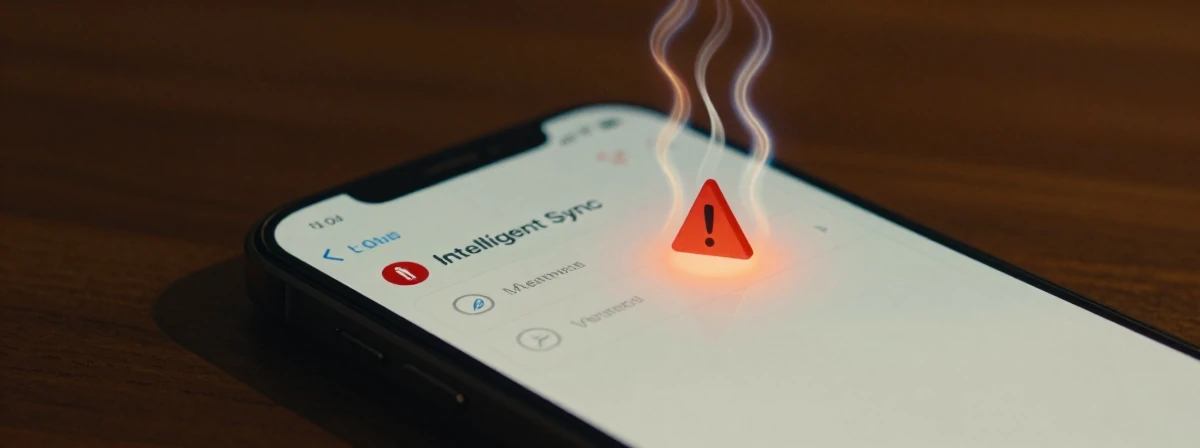
I upgraded the day it came out, just like I always do. Within hours, my phone was hot to the touch. At first, I blamed my case—then I took it off and the problem persisted. That’s when I dug deeper and found the real issue: the new “Intelligent Sync” feature was running wild, syncing everything from emails to photos without regard for battery or temperature.
This isn’t just a minor annoyance. Overheating can permanently damage your battery, reduce performance, and even trigger safety shutdowns. It’s like driving your car with the emergency brake on—inefficient and potentially dangerous.
How to Stop Your iPhone From Melting
The good news? You don’t need a new phone. Just a few tweaks to your settings. Here’s what I did—and what you should too:
Check Background App Refresh: Go to Settings > General > Background App Refresh. Turn off anything you don’t absolutely need. Trust me, your weather app doesn’t need to update every 5 minutes.
Limit Location Services: Apps like Maps and Camera need location—everything else? Probably not. Go to Settings > Privacy > Location Services and be ruthless.
Disable Intensive Widgets: Those live activity widgets look cool, but they drain resources. Remove any you don’t use daily.
Monitor Temperature: Seriously, check your phone when it’s hot. If it’s above body temperature, something’s wrong.
I remember teaching my mom how to do this last year. She was convinced her phone was haunted—random shutdowns, apps crashing, the works. Within 10 minutes, we’d turned off half her background refreshes and her phone was back to normal. The look on her face when she realized she’d been cooking her phone? Priceless.
The Hidden Danger No One Talks About
Here’s what most people don’t realize: Overheating isn’t just uncomfortable—it accelerates battery degradation. Lithium-ion batteries hate heat. Every time your phone gets too hot, it’s like taking a few miles off its lifespan. Over years, this adds up to a dramatically shorter battery life.
I’ve seen it happen to my own devices. My iPhone 12 from 2020 still holds a charge like new because I religiously keep it cool. My friend’s, on the other hand? It’s a shell of its former self after constant overheating. The difference isn’t the hardware—it’s the habits.
Modern phones have thermal throttling to prevent damage, but that’s a band-aid solution. Instead of letting your phone slow down, take control before it gets to that point. It’s like dieting—prevention is always easier than recovery.
What Apple Could (But Won’t) Do
Let’s be honest: Apple knows about this. They’ve known about overheating issues since the early days. But fixing it isn’t as simple as patching code. The tradeoff between features and performance is a delicate balance.
I remember the iPhone 6 bending scandal. Apple’s response? “You’re holding it wrong.” Sound familiar? The truth is, they prioritize new features over stability every time. It’s business, not personal. But that doesn’t make it any less frustrating for users.
The best we can do is work around their mistakes. And that starts with understanding what’s happening under the hood. iOS might be user-friendly, but that doesn’t mean it’s idiot-proof. We all need to take some responsibility for how our devices behave.
The Future of Phone Temperatures
Looking ahead, I see two paths. Either manufacturers will finally prioritize thermal management, or we’ll all become experts at keeping our phones cool. I’m betting on the latter.
I’ve been through enough tech cycles to know that user education is the real solution. Back when we had to manually manage memory, we knew our devices inside and out. Now? Most people don’t even know what a background process is.
But that’s changing. As phones get more complex, we’re forced to become smarter users. And that’s not a bad thing. Understanding your device isn’t just about troubleshooting—it’s about taking ownership of your technology instead of letting it own you.