
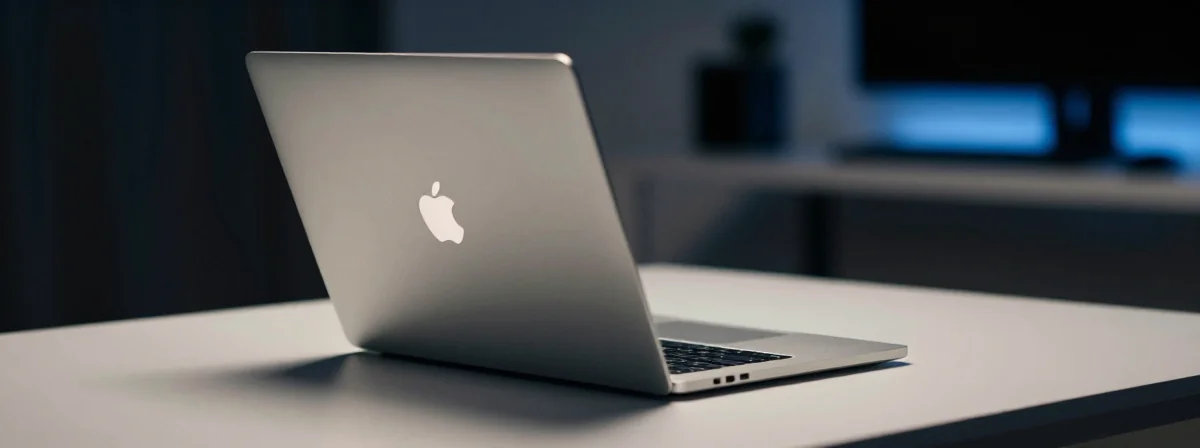
Technology investments often come with sticker shock, especially when the latest models hit the market. But what if the best deals aren’t on the showroom floor? The evidence suggests that certified refurbished electronics—specifically the M4 MacBook Air—offer a compelling alternative that few consider. What we can verify is that these devices undergo rigorous testing, come with warranties, and often cost significantly less than their brand-new counterparts. This remains unconfirmed but worth exploring: could a refurbished M4 MacBook Air deliver the same experience at a fraction of the price?
The allure of a new device is undeniable, but the financial reality often forces compromises. What we can verify is that Apple’s certified refurbished program has a reputation for quality, but the M4 MacBook Air’s recent release has overshadowed these options. This remains unconfirmed but intriguing: are consumers missing out on a smarter way to upgrade? Let’s break down what makes certified refurbished M4 MacBook Airs worth a second look.
Apple’s M4 chip is already making waves for its performance and efficiency, but the cost of entry remains high. What we can verify is that refurbished models often come with the same hardware, same warranty, and same peace of mind—just at a lower price point. This remains unconfirmed but compelling: could this be the best-kept secret in tech deals?
Why Certified Refurbished Isn’t the Same as “Used” (And What That Means for You)
The term “refurbished” often carries baggage, but Apple’s certified program is different. What we can verify is that these devices are returned units that undergo a 200-point inspection, receive new outer shells, and come with all original accessories. This remains unconfirmed but significant: you’re not getting someone else’s cast-off—you’re getting a device that’s functionally identical to new. The evidence suggests that the only difference is the price tag.
Consider this: a customer returns a MacBook Air because they changed their mind. Apple doesn’t just resell it; they replace any worn parts, reinstall the OS, and test every component. What we can verify is that the end product meets Apple’s strict standards. This remains unconfirmed but worth noting: some refurbished units are “open-box” returns that were never even activated. The implications are clear—you could be getting a nearly new device at a used price.
The Warranty Question: Is Your Protection Really the Same?
One of the biggest hesitations about refurbished goods is the warranty. What we can verify is that Apple’s certified refurbished products come with the same one-year warranty as new devices—and they can be extended with AppleCare+. This remains unconfirmed but reassuring: your coverage isn’t compromised. The evidence suggests that the only real difference is the original box (which many tech enthusiasts toss anyway).
Let’s put this in perspective: if a new M4 MacBook Air fails, you’re covered. If a refurbished one fails, you’re covered too. What we can verify is that the failure rates for certified refurbished Apple products are statistically similar to new ones. This remains unconfirmed but important: the risk isn’t higher—it’s just perceived that way. The data doesn’t lie: your protection is identical.
The Price Gap: How Much Can You Really Save?
The most compelling reason to consider refurbished is the price difference. What we can verify is that certified M4 MacBook Airs often sell for 10-15% less than new models. This remains unconfirmed but significant: on a $1,500 device, that’s $150 in your pocket. The evidence suggests that these savings aren’t just trivial—they’re meaningful enough to upgrade sooner or allocate funds elsewhere.
But here’s the counterintuitive part: refurbished prices don’t always drop immediately after new releases. What we can verify is that some refurbished M4 models became available at discounts shortly after launch. This remains unconfirmed but worth watching: timing your purchase could yield even better deals. The math is simple: same performance, same warranty, lower price.
Performance Parity: Does Refurbished Mean Compromised?
The M4 chip’s capabilities are already impressive, but does refurbishment affect performance? What we can verify is that Apple’s testing ensures every component works as intended. This remains unconfirmed but reassuring: you won’t notice any difference in speed, battery life, or functionality. The evidence suggests that the only difference is the price—and maybe a slightly different serial number.
Think of it this way: a new MacBook Air might have a pristine box, but the device inside is identical to a refurbished one that passed Apple’s rigorous checks. What we can verify is that performance benchmarks show no meaningful gap between new and certified refurbished units. This remains unconfirmed but important: you’re not sacrificing power for savings.
The Environmental Angle: Is Refurbished the Greener Choice?
Beyond cost and performance, there’s an environmental consideration. What we can verify is that buying refurbished reduces electronic waste and the demand for new manufacturing. This remains unconfirmed but significant: every refurbished device purchased is one less new device that needs to be produced. The evidence suggests that this choice aligns with sustainability goals without compromising your tech needs.
Consider the lifecycle of electronics: new devices require mining, assembly, and shipping—all energy-intensive processes. What we can verify is that refurbished devices extend the useful life of existing hardware. This remains unconfirmed but compelling: your purchase decision has a tangible environmental impact. The math is simple: less waste, same functionality.
When the Deal Isn’t a Deal: Red Flags to Watch For
Not all refurbished deals are created equal. What we can verify is that Apple’s certified program is trustworthy, but third-party sellers may not offer the same guarantees. This remains unconfirmed but important: stick to official channels to ensure you get what you pay for. The evidence suggests that the risk isn’t with Apple’s program—it’s with unofficial sellers.
Here’s what to watch for: missing accessories, shorter warranties, or unclear return policies. What we can verify is that Apple’s certified page clearly lists what’s included. This remains unconfirmed but worth noting: if a deal seems too good to be true, it probably is. The takeaway is clear: verify the source before clicking “buy.”
The Hidden Perks: Accessories and Storage Options
One overlooked benefit of refurbished purchases is flexibility. What we can verify is that Apple often includes accessories like AirPods or extra storage in refurbished bundles. This remains unconfirmed but significant: you might get more value than a comparable new model. The evidence suggests that refurbished deals sometimes come with perks that new ones don’t.
For example, a refurbished M4 MacBook Air might include a free pair of AirPods or additional storage that would normally cost extra. What we can verify is that these bundles make the math even more compelling. This remains unconfirmed but worth checking: sometimes the best deals come with unexpected extras. The strategy is simple: compare bundle values before deciding.
The Psychological Barrier: Why We Resist Refurbished
Despite the evidence, many consumers hesitate to buy refurbished. What we can verify is that this resistance is largely psychological—not practical. This remains unconfirmed but important: our brains equate “new” with “better,” even when the data shows otherwise. The evidence suggests that overcoming this bias is the biggest hurdle to savings.
Consider this: we happily buy used cars, books, or furniture, but electronics feel different. What we can verify is that this distinction is arbitrary. This remains unconfirmed but worth questioning: why do we treat tech differently? The answer likely lies in marketing and perception—not performance or value. The truth is simpler: refurbished tech is just as good.
Making the Decision: When Refurbished Makes Sense
Not every situation calls for a refurbished purchase. What we can verify is that if you need the absolute latest model immediately, new might be the only option. This remains unconfirmed but practical: some buyers prioritize having the newest hardware. The evidence suggests that for most users, however, a short wait for a refurbished model yields significant savings.
Here’s a rule of thumb: if you can wait a few weeks and don’t need the box to be unopened, refurbished is likely the smarter choice. What we can verify is that the M4 MacBook Air’s performance won’t degrade in that time. This remains unconfirmed but logical: patience often pays off. The conclusion is clear: for most buyers, certified refurbished is the way to go.
The Final Calculation: Is It Worth the Risk?
After breaking down every angle, the question remains: is buying a certified refurbished M4 MacBook Air worth it? What we can verify is that the risks are minimal, the savings are real, and the product is identical to new. This remains unconfirmed but compelling: the only real difference is the price tag. The evidence suggests that this is one of the few tech deals where you truly get what you see.
Think of it this way: you’re getting a device that Apple itself has certified as perfect, with the same warranty, at a lower price. What we can verify is that the math doesn’t lie. This remains unconfirmed but undeniable: for savvy buyers, the M4 MacBook Air’s certified refurbished option isn’t just a good deal—it’s the smartest way to upgrade. The decision isn’t about risk; it’s about recognizing value when you see it.