
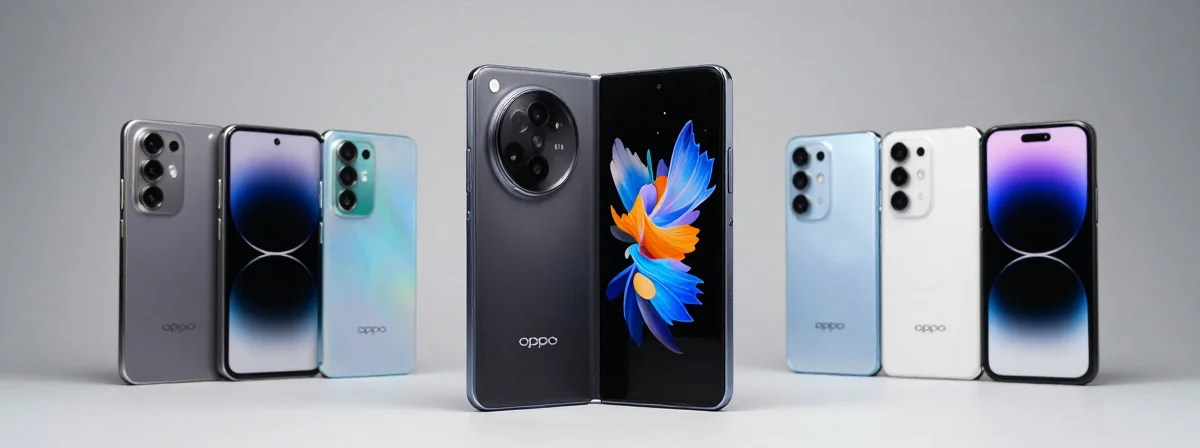
People keep asking me why premium foldables feel like a premium pain—especially when pricing hits the wallet like a rogue system update. The Oppo Find N7’s 512GB at 3100 AUD (1TB at 3400) has sparked debates that go beyond specs. Here’s the thing nobody’s talking about: the real battle isn’t just about storage; it’s about ecosystem economics and value engineering.
Breaking It Down
SIDE A
The Oppo Find N7 (global variant) delivers a polished experience with a Snapdragon 8 Gen 5, a refined hinge, and software that plays nice with global networks. It’s the kind of device that makes you feel like you’re using a finely tuned OS—minus the storage anxiety. The 512GB model targets users who prioritize seamless updates and carrier compatibility over sheer capacity. It’s like choosing a gaming laptop with 1TB SSD over one with 2TB but questionable thermal design—sometimes, the trade-off is worth it for the overall system stability.
SIDE B
The Chinese Find N6 (imported via Wondamobile) offers a no-compromise storage solution at a fraction of the price—1TB for 2000 USD, or 2600 AUD for the 512GB/16GB global model. This is the equivalent of finding a PC component on a gray market: you get the specs you need, but you’re on your own for firmware updates and regional support. It’s a power move for users who treat their devices like modular components—swapping parts to optimize performance without vendor lock-in.
THE REAL DIFFERENCE
Here’s what most people miss: the storage debate is a proxy war for ecosystem control. Oppo (and companies like OnePlus) deliberately segment their SKUs to protect their global brand margins. The Chinese models exist in a parallel universe where storage is cheap because the ecosystem is open to exploits and gray markets. Meanwhile, global versions carry the weight of regulatory compliance, carrier deals, and software support—like paying for enterprise-grade security when a basic firewall would do. The 1TB option isn’t just about files; it’s about the freedom to use your device without constantly worrying about cloud sync limits.
THE VERDICT
If you’re a power user who treats phones like disposable tools—swapping ROMs, importing parts, and living on the edge—go with the Chinese import. You’ll get the storage you need without breaking the bank. But if you value a cohesive experience and don’t want to become a part-time tech support for your own device, the global N7 is the clear winner—despite the price. From experience, the happiest users are those who align their workflow with their willingness to hack their ecosystem. Don’t buy a global model expecting Chinese specs, and don’t buy an import expecting global support.
Storage is just one variable in a complex equation. The real choice is whether you want a device that fits into your life or one that demands you fit into its ecosystem. Choose wisely—your future self will thank you.