
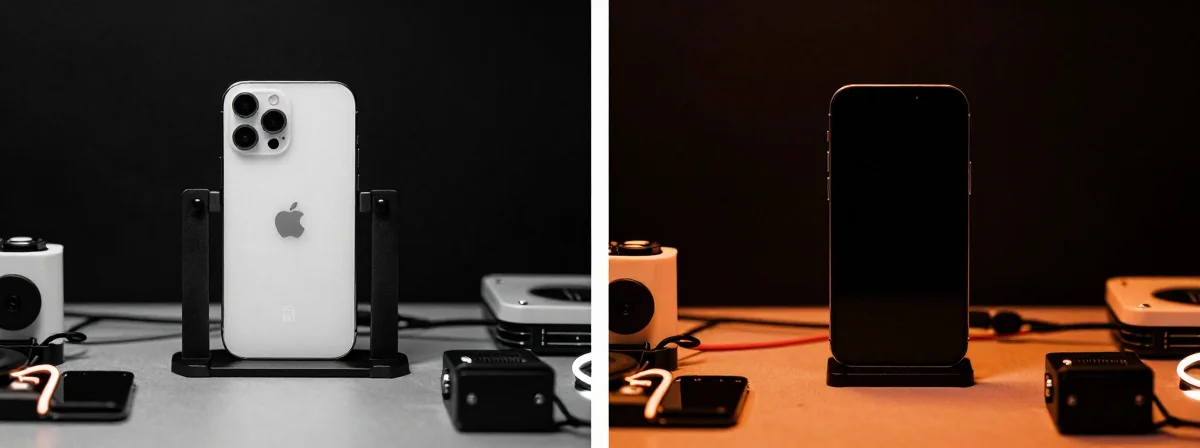
People keep asking me why their lost devices end up in the same place—why the fight between Apple’s security and the aftermarket is so predictable. Here’s the thing nobody’s talking about: it’s not just about theft. It’s about two fundamentally different systems colliding. Let me break it down.
Building the Case
SIDE A: APPLE’S LOCKDOWN SYSTEM Apple’s ecosystem is designed to be impenetrable once locked. Activation lock and Find My create a digital prison—parts are activation-locked, functions are limited, and even transplanted components show up as “non-verifiable.” The system works because it’s integrated at the hardware level. I’ve seen attempts to bypass it, but they’re temporary at best. The real strength? It stops legitimate repairs too, but that’s the price of absolute security. For users who value their data above all, this is the gold standard—nothing gets out, nothing gets in without permission.
SIDE B: THE AFTERMARKET ECOSYSTEM The aftermarket operates on ingenuity and deception. Techs bypass security by transplanting foreign screens to original cables, swapping battery controllers, or tricking devices into thinking nothing’s changed. Buttons, chassis, speakers—these are easy swaps. Even reprogramming dead screens to work in stolen devices is common. The system thrives on the gaps in Apple’s security. While it enables theft, it also creates a parallel economy where parts still function—even if they’re marked as illegitimate. For those who need repairs or parts, this is where the action is.
THE REAL DIFFERENCE Here’s what most people miss: the battle isn’t just about technology—it’s about control. Apple’s system is designed to maintain its ecosystem purity at all costs. The aftermarket exists because that purity comes at the expense of repairability and flexibility. What I’ve seen over years is that the aftermarket isn’t just about theft; it’s about creating workarounds for a system that deliberately makes repairs difficult. The real difference isn’t in the tech itself, but in the philosophy behind it—Apple wants to control every interaction, while the aftermarket exists to break those controls.
THE VERDICT From experience, if you’re someone who values absolute security and doesn’t mind being locked into Apple’s ecosystem, stick with their system. But if you need flexibility or plan to repair your devices, you’re going to encounter the aftermarket whether you like it or not. Here’s my take: for everyday users, Apple’s system is the clear winner—it keeps your data safe. But for anyone who’s ever needed a repair, the aftermarket is the necessary evil that proves how rigid Apple’s approach really is. If you’re doing daily use, go with Apple’s lockdown. If you’re doing repairs or modifications, you’re already in the aftermarket whether you know it or not.
The aftermarket isn’t going anywhere because Apple’s approach to security has created a market for it. Until Apple makes repairs more accessible, the cycle will continue—devices will keep traveling to places like Huaqiang electronics market, and the battle will rage on. The real question isn’t which system is better, but which one aligns with what you actually need.