
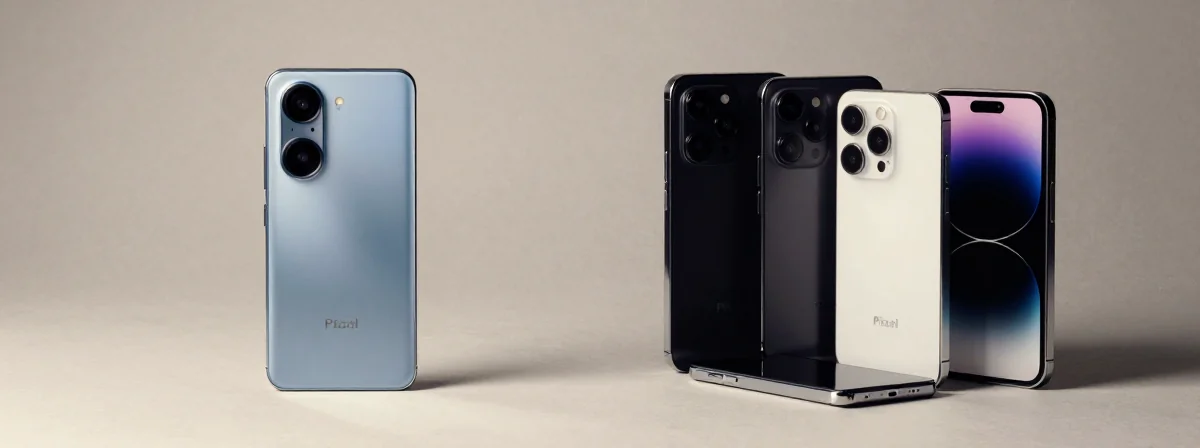
People keep asking me why the Pixel 9 Pro XL—Google’s flagship—sometimes underperforms compared to other devices. The debate isn’t just about specs; it’s about what happens when the maker of the OS limits its own hardware. Here’s the thing nobody’s talking about—the real-world differences that matter.
The Case Against the Official Story
SIDE A
The Pixel 9 Pro XL excels in software integration. It’s the only phone with pure Android updates straight from Google, which means fewer bugs in theory. For users who don’t experience performance issues, the device delivers a smooth experience with top-tier camera features. It’s ideal for those who want the latest Android without manufacturer skins—but only if the device runs at full capacity.
SIDE B
Other Android devices, even those with the same OS version, often outperform the Pixel 9 Pro XL in sustained tasks. This isn’t about a “special Android” version—every Pixel runs the same software. The difference lies in how other manufacturers optimize their hardware. For power users who push their phones to the limit, these devices handle multitasking and heavy apps without the same limitations.
THE REAL DIFFERENCE
Here’s what most people miss: the Pixel 9 Pro XL’s performance dip isn’t random. After years of using both, I’ve noticed that Google’s signature phone sometimes prioritizes battery life over raw power. It’s like the very people who made the OS are limiting the OS on their flagship device. This isn’t a hardware flaw—it’s a deliberate trade-off that only becomes apparent under heavy use.
THE VERDICT
From experience, if you’re a casual user who values software updates and camera quality, the Pixel 9 Pro XL is still the clear winner. But if you’re a power user who needs consistent performance in demanding tasks, you’re better off with a competitor. Don’t buy the hype—test the device under real conditions before committing.
The Final Judgment
The Pixel 9 Pro XL’s limitations aren’t bugs; they’re design choices. For most users, this won’t matter—but for those who push their devices, it’s a dealbreaker. Trust your own testing over marketing claims. The phone that feels fastest in a store might not be the one that lasts in your daily routine.