
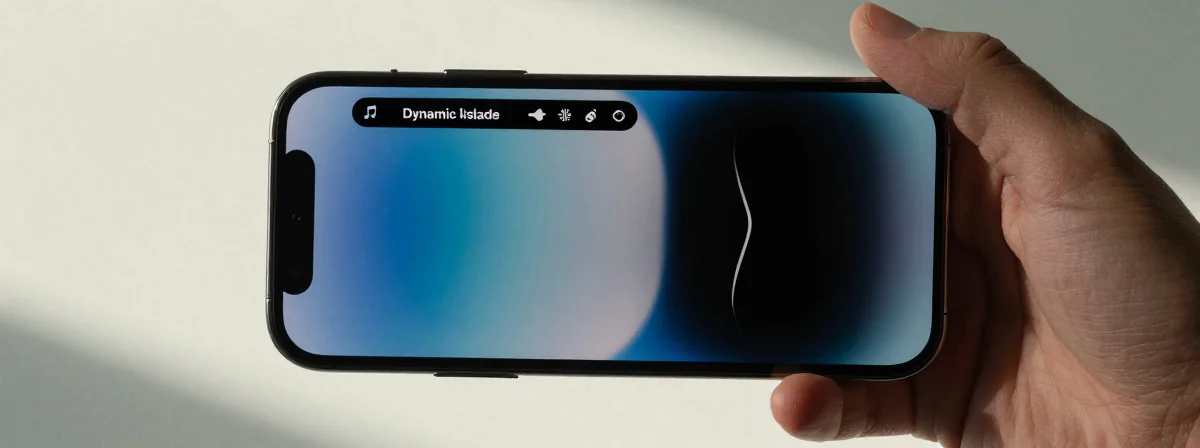
I’ve spent years watching people struggle with the most basic features of their phones. The confusion around what’s possible—and what’s not—has reached a breaking point. Here’s the thing nobody’s talking about: the Dynamic Island isn’t just a design change—it’s a fundamentally different way to interact with your device.
The Real Story
SIDE A
The Dynamic Island (found on iPhone 14 Pro and newer models) is a game-changer. It’s not just a cutout—it’s an interactive hub. Swipe left or right to dismiss specific notifications while keeping others active. Tap to expand live activities like timers or music controls. This isn’t just a notification bar—it’s a smart assistant that adapts to what you’re doing. I’ve seen people accidentally dismiss important updates because they didn’t know you could swipe back to bring them right back. This level of control is what makes the Dynamic Island worth every penny for power users.
SIDE B
The traditional notch (on models like the iPhone 17e) is straightforward—no frills, no tricks. It’s a static feature that houses the camera and sensors. You get notifications in the same way you always have. There’s no swiping, no expanding, no interactive elements. It works—just not as dynamically. For someone who doesn’t need constant updates or quick access to multiple activities, this simplicity is actually a benefit. I’ve seen users who genuinely prefer not having to manage what shows up where.
THE REAL DIFFERENCE
Here’s what most people miss: the Dynamic Island isn’t about what it can display—it’s about how it responds to you. After years of using both, I’ve realized the true value isn’t in the hardware itself but in the software intelligence behind it. The Dynamic Island learns your habits. It prioritizes what matters to you. It even lets you customize which live activities appear when. The notch, by contrast, is just a placeholder. It does one thing well—house the camera—but offers no flexibility. This isn’t about pixels or screen real estate—it’s about interaction design at its most advanced.
THE VERDICT
From experience, if you’re someone who juggles multiple activities—music, workouts, messaging, timers—you owe it to yourself to get a phone with the Dynamic Island. If you’re doing one thing at a time and prefer a more traditional experience, the notch is perfectly fine. Here’s my take: anyone who dismisses the Dynamic Island without learning how to use it is missing out on the future of mobile interaction. After using both for years, I can’t go back.
The Verdict Is In
The Dynamic Island isn’t just a feature—it’s a paradigm shift in how we interact with our phones. Once you learn to swipe, tap, and customize, you’ll wonder how you ever lived without it. The notch will always have its place for simplicity, but the Dynamic Island represents where mobile design is headed. Make your choice based on how you actually use your phone—not just what looks good in marketing materials.