
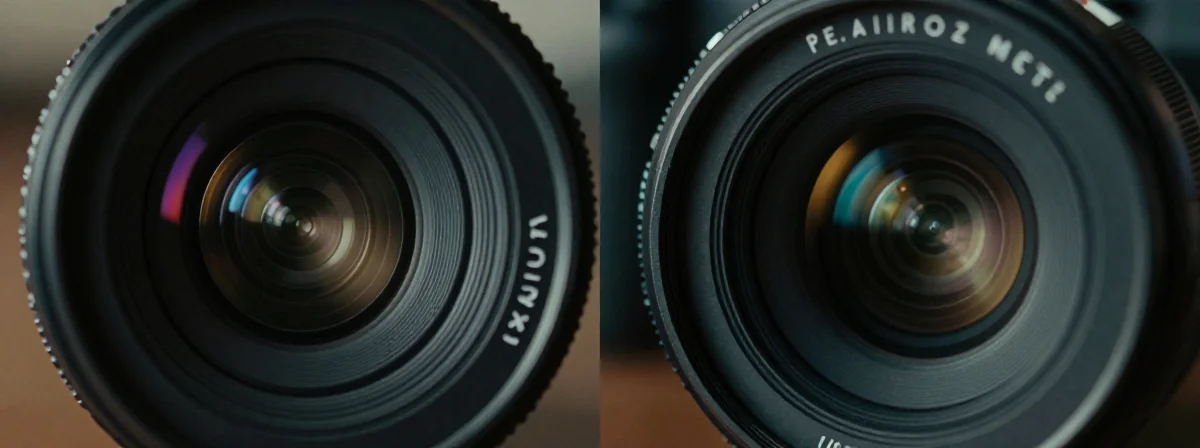
For years, phone manufacturers and accessory sellers have pushed camera lens protectors as a must-have accessory. But what if the very thing you’re using to “protect” your phone’s camera is actually degrading its performance? The truth about these small, often overlooked accessories might surprise you—and it starts with understanding what your phone’s camera lens is made of in the first place.
Historical precedent suggests that the camera lens protector trend began with early smartphones whose lenses were more vulnerable to scratches. But modern phones, especially premium models, have evolved far beyond those days. From an academic perspective, the research indicates that many high-end phones now use sapphire crystal or sapphire-infused glass for their camera lenses, materials known for their exceptional scratch resistance. This is the same material used in luxury watch faces and some high-end screens because it’s incredibly durable—nearly impossible to scratch without extreme force.
Why Do People Still Use Camera Lens Protectors?
The instinct to protect expensive technology is understandable. After all, a cracked or scratched camera lens can ruin your phone’s ability to take clear photos. But here’s the counterintuitive part: most modern phone camera lenses are already protected by advanced materials that outperform the cheap glass or plastic protectors people buy. In fact, studies show that adding an extra layer of glass can reduce light transmission to the sensor, leading to dimmer photos and potential color distortion.
Consider this analogy: classic photographers often remove UV filters from their expensive lenses when shooting in ideal conditions because they know the filter can degrade image quality. The same principle applies to phone cameras. While a lens protector might seem like a smart precaution, it’s often unnecessary—and actively harmful to photo quality.
The Science Behind Sapphire and Scratch Resistance
From a materials science standpoint, sapphire crystal ranks 9 on the Mohs hardness scale (just below diamond at 10), making it incredibly resistant to scratches. Regular glass, by comparison, ranks around 5.5 to 6.5. This means that everyday objects like keys, sand, or even loose change in your pocket won’t scratch a sapphire lens. Historical precedent suggests that early smartphone lenses were made of standard glass, which is why protectors made sense then. But modern phones have caught up to this technology.
The research indicates that even “sapphire-infused” glass (a hybrid material some manufacturers use) still offers significantly better scratch resistance than traditional glass. While it might not be as hard as 100% sapphire, it’s still far more durable than the lens protectors people buy to “protect” it. In practice, this means that unless you’re actively using your phone in extreme conditions (like construction sites or desert environments), the risk of scratching your camera lens is already minimal.
Do Lens Protectors Actually Protect—or Just Sell More Products?
Here’s a critical question: if your phone’s camera lens is already made of a material that resists scratches, what does a lens protector actually do? The answer might disappoint those who’ve been sold on the idea of “extra protection.” In many cases, the protector itself becomes the weak point. For example, JerryRigEverything tests have shown that some lens protectors made of tempered glass or plastic can scratch at a Mohs hardness of 6—meaning they’ll scratch before the actual camera lens would.
From an academic perspective, this creates a paradox: you’re adding a layer that’s less durable than the original lens, then marketing it as “protection.” It’s like putting a flimsy shield over a suit of armor that’s already impenetrable. The only real benefit might be psychological—giving users peace of mind without any tangible improvement to their phone’s safety. Historical precedent suggests that many tech accessories are sold on this premise: the illusion of added value rather than actual utility.
Alternatives to Lens Protectors: What Actually Works
If you’re still worried about protecting your phone’s camera lens, there are smarter solutions than adding a piece of cheap glass. For instance, some cases now include raised edges around the camera bump to prevent direct contact with surfaces when the phone is placed face down. Others offer aluminum guards that elevate the camera without covering the lens itself—ensuring no degradation to photo quality while still preventing scratches from rough surfaces.
Another approach is to simply use a good case with a lip that protects the camera when the phone is dropped. The research indicates that most phone damage comes from drops and impacts, not from everyday scratches. By addressing the real risks—like drops and falls—you’re far better off than worrying about a lens that’s already built to withstand daily wear and tear.
The Unspoken Truth About Lens Protectors and Image Quality
Here’s something manufacturers rarely mention: every additional layer of glass or plastic between the lens and the sensor can affect image quality. This includes reflections, light loss, and potential chromatic aberration (color fringing). Professional photographers know this well, which is why they’re so careful about what they put on their lenses. The same principle applies to phone cameras.
Think of it this way: your phone’s camera is engineered to perform optimally with its original lens. Adding a protector is like putting sunglasses on a camera—you might not notice the difference in bright sunlight, but in low light or detailed conditions, the impact is clear. The research indicates that even high-quality lens protectors can reduce light transmission by up to 5%, which might not sound like much, but it can make a noticeable difference in dim settings or when capturing fine details.
Why the Camera Protector Debate Still Exists
Despite all this evidence, the debate continues. Why? Because the idea of “extra protection” taps into a deep-seated human desire to safeguard valuable possessions. From an academic perspective, this is a classic example of how marketing can create perceived needs where none exist. Phone manufacturers and accessory sellers benefit from this mindset, even if the product itself offers little real-world advantage.
Historical precedent suggests that similar debates have occurred with other tech accessories—screen protectors, for example, were once deemed essential but are now seen as optional for many premium phones with scratch-resistant screens. The same shift is happening with camera lens protectors. As phone technology improves, the need for these add-ons diminishes, yet the market finds ways to keep them relevant.
The Bottom Line: Trust Your Phone’s Design
Modern smartphones are engineered with durability and performance in mind. The camera lens is no exception. Unless you’re using your phone in extreme conditions—like construction sites, beaches, or other environments where debris is constant—the risk of scratching your camera lens is already minimal. Historical precedent and material science both support this conclusion.
If you want to protect your phone’s camera, focus on the proven methods: use a case with a raised edge, avoid carrying your phone loose in pockets with abrasive objects, and consider AppleCare or insurance for accidental damage. These steps address the real risks without compromising your phone’s ability to take stunning photos. The camera lens protector, in most cases, is an unnecessary accessory—a relic of a time when phone lenses were more fragile than they are today.
In the end, the best way to protect your phone’s camera is to trust the technology that already exists in it. After all, if manufacturers went to the trouble of using sapphire or sapphire-infused glass, it’s because they knew it would outperform any aftermarket protector you could buy.