
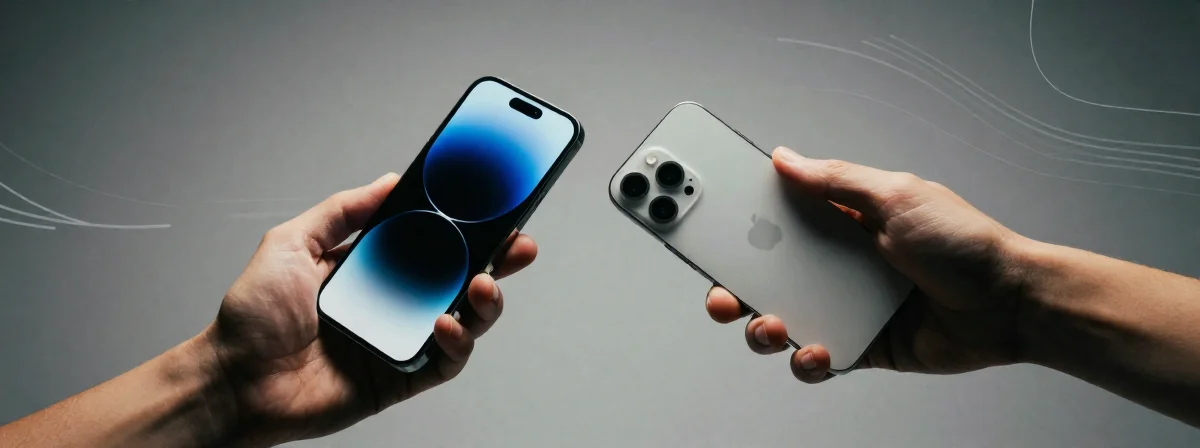
People keep asking me what’s the real deal with switching phone ecosystems. Why would someone leave Android for iPhone—or vice versa? It’s not just about specs; it’s about daily habits, annoyances, and what actually makes your life easier. Here’s the thing nobody’s talking about—the stuff you only learn after years of living with both.
The Good Stuff
SIDE A: ANDROID Android phones are like a well-stocked toolbox—you get exactly what you need, plus a bunch of extra options you might never use but appreciate having. The file management is straightforward, USB-C means you never fumble with port orientation, and you can customize nearly everything. I’ve seen folks trading in their old Androids for newer models because the performance leap is noticeable—faster chips, better screens, and speakers that actually fill a room. Plus, if you’re into niche apps or games like Umamusume: Dear Derby, sometimes you just can’t get that perfect experience on iOS. It’s the system for people who like to tinker—or at least have the option to.
SIDE B: IPHONE iPhones are the reliable Swiss Army knife of phones—streamlined, polished, and just… easy. My 13 mini, for example, does everything I need: Reddit, Instagram, great photos. What else do I really need? The ecosystem works seamlessly, and when you upgrade, even a few years later, the new model feels instantly familiar yet noticeably better. The keyboard might autocorrect to nonsense sometimes, but the overall experience is smooth. And let’s be real: when your partner has an iPhone, being able to FaceTime without hassle is a huge plus. It’s for people who want things to just work—no tinkering required.
THE REAL DIFFERENCE Here’s what most people miss: Android gives you freedom, but that freedom comes with the responsibility of managing more things. You might spend 20 minutes troubleshooting a weird notification issue or finding the right file manager. iPhone, on the other hand, locks you into a smoother experience but at the cost of some flexibility. After years of using both, I realized that the choice isn’t about which phone is “better”—it’s about which set of trade-offs you’re okay with. Do you want to spend time optimizing and customizing, or do you want to pick up your phone and just use it? The thing nobody talks about is that both paths lead to a perfectly functional phone; the difference is in your daily interactions with it.
THE VERDICT From experience, if you’re the type who enjoys tweaking settings, using obscure apps, or needs a smaller phone (like the dearly missed mini models), stick with Android. But if you value simplicity, seamless upgrades, and don’t mind a proprietary port, iPhone is the clear winner. Here’s my take: if your phone works for you, great—but if you’re switching, do it for a reason that actually matters to your daily life, not because of some hype. After using both for years, I can say that the best choice is the one that causes you the least frustration.
Last But Not Least
Think of it like choosing between a PC and a console—less tinkering with an iPhone, but fewer options. More control with Android, but more potential headaches. At the end of the day, the right phone is the one that fits your life like a glove. So go ahead—make the switch if you need to, but do it with your eyes open. You’ll thank yourself later.