
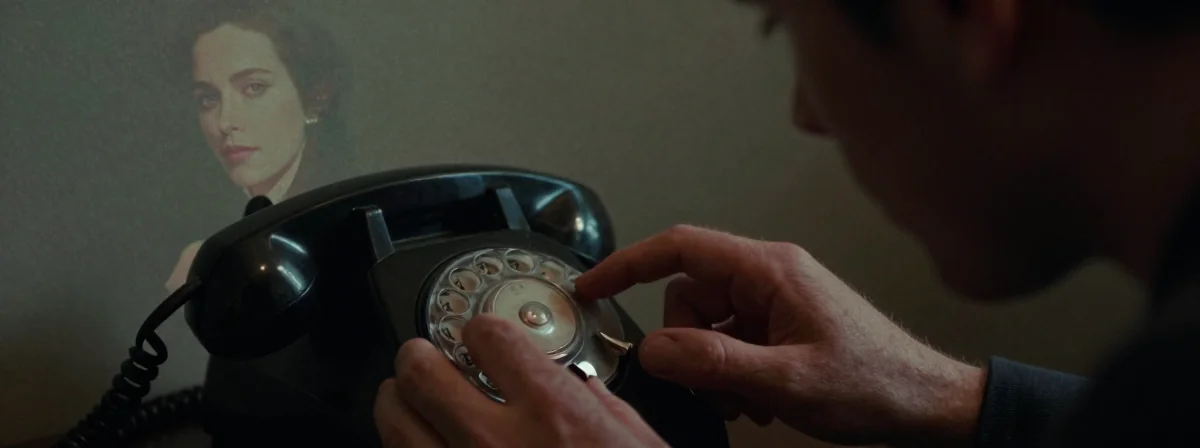
Some rituals are so quiet they barely make a sound, yet their echo lasts forever. A father’s yearly birthday call to his deceased wife’s number became such a ritual—until one year, a stranger answered. He paused, then sang “Happy Birthday” anyway. The woman listened silently, her breath the only reply. Three years later, the father passed away, leaving behind a story that asks us to look closely at how we hold onto love after it’s gone.
Grief is not a linear path but a landscape we wander through, sometimes retracing our steps, sometimes finding new trails. In this quiet exploration, we’ll examine the delicate balance between connection and closure, the unintended consequences of digital rituals, and how to honor memories without clinging too tightly.
Why Do We Hold Onto a Deceased Loved One’s Number?
The phone number is more than digits—it’s a digital fingerprint of a person we can no longer reach. Like a stone skipped across water, our messages create ripples that may never reach their intended shore. One person shared how their father called his late wife’s number every year on her birthday, a practice that became both sacred and surreal when a stranger answered. The father’s response—singing anyway—reveals a profound truth: grief doesn’t care about boundaries. It flows where it wills, and sometimes, it finds an unexpected listener.
Consider the natural world: a river doesn’t stop flowing when its banks shift. Similarly, our love doesn’t cease when a life ends. Yet, we must ask: where does our longing end and another’s privacy begin? The stranger who answered wasn’t just an interruption; she was a mirror reflecting how deeply we cling to connections that no longer exist in the physical world.
The Unseen Hands That Turn On Phones After Death
There’s a quiet irony in how technology lingers after we do. One person discovered their messages to a deceased parent were showing as “read,” only to realize someone was going through their belongings. The phone, like a sleeping seed, had been awakened by a curious hand. This isn’t just about privacy—it’s about the tension between respect and remembrance.
Technology was never meant to bridge the gap between life and death, yet here we are, using it to do just that. An iMessage can linger indefinitely, waiting for a device to wake it from its digital slumber. This isn’t magic; it’s the mechanical echo of our emotional needs. But when those messages are read by someone unintended, the ritual becomes complicated. The boundary between honoring memory and invading privacy blurs, leaving us to wonder: what is the true cost of holding onto the past?
When Grief Rituals Become A Burden to Others
The woman who answered the birthday call didn’t just hear a song; she received a piece of someone else’s grief. This is the unintended consequence of digital rituals—they don’t exist in a vacuum. One commenter noted how their wife still messages her father’s old number, but with permission from the new recipient. This small act of courtesy transforms a potential intrusion into a shared space of healing.
Nature teaches us that boundaries are not walls but fences that keep the garden thriving. When we extend our grief rituals without regard for others, we risk turning a sacred practice into a burden. The question isn’t whether we should grieve, but how we can do so in a way that respects the living and the dead alike.
The Digital Afterlife: What Phone Companies Never Tell You
Phone companies recycle numbers like fallen leaves, assuming we’ll move on. They don’t account for the father who calls his late wife’s number every year, or the child who messages a parent’s old device. This isn’t a failure of technology; it’s a failure of empathy. The system was built for convenience, not for the human need to connect beyond the grave.
One person shared how their family lost a grandfathered plan when they updated their late relative’s account—a small detail that speaks volumes about how institutions handle grief. They see numbers, not stories. They see contracts, not connections. And in this disconnect, we’re left to navigate our own paths through the digital afterlife.
Finding Peace Beyond the Screen
The father who sang to a stranger didn’t just share a song; he shared a moment of grace. His act wasn’t about the past—it was about the present, about finding meaning in the unexpected. This is the essence of mindful grieving: not clinging to what was, but embracing what is, even when it’s uncomfortable.
When we send messages to a deceased loved one’s number, we’re not just communicating; we’re practicing. We’re practicing love, remembrance, and letting go. And sometimes, as with the father’s call, we practice for others too. The stranger who listened didn’t just hear a song; she heard a reminder that grief is universal, that connection transcends boundaries, and that sometimes, the most profound rituals are the ones we share without knowing.
The river of grief will always flow, but we get to choose how we navigate it. We can cling to the banks, or we can learn to ride its currents. The silent call that connected a father to his deceased wife wasn’t just about them—it was about all of us, learning to love and let go in a world that never stops changing.