
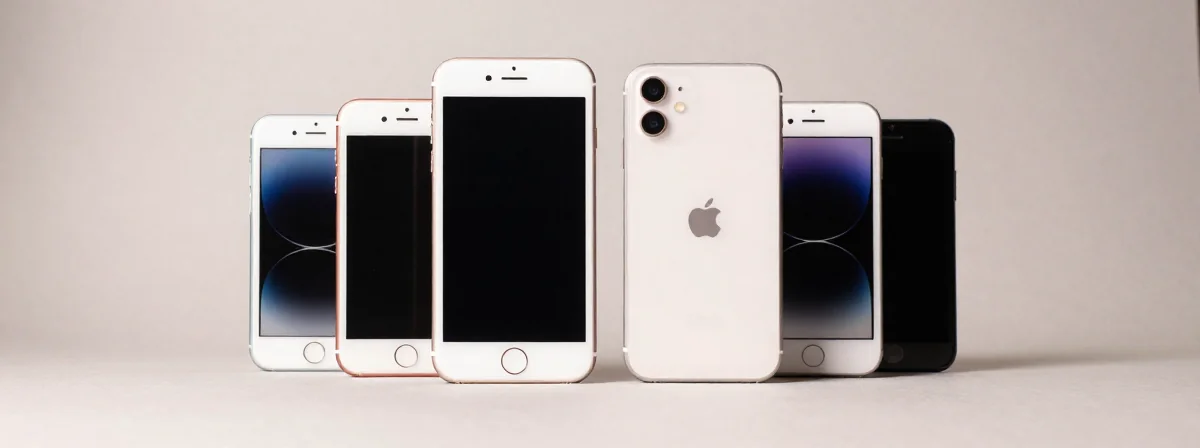
People keep asking me if older phones can still handle today’s demands—especially when they’re on a tight budget and just need something to offload apps. I’ve seen the iPhone 7 pop up in these discussions a lot, often for $20 or less. Here’s the thing nobody’s talking about: it’s not just about whether the hardware can run Instagram or YouTube—it’s about how well it will hold up in the long run and what compromises you’re really signing up for.
The clues are in the details—battery life, storage limitations, and app compatibility—while the budget constraint adds another layer to the puzzle. Let me break it down.
Connecting the Dots
SIDE A: iPhone 7 at $20 This phone was a solid performer in its day, and for basic tasks like social media and streaming, it will work. The A10 Fusion chip can handle Instagram, Reddit, and Discord without melting down—though you’ll notice the lag compared to newer models. The real catch? Storage. A 32GB model is practically unusable for all those apps and their media cache—expect constant “storage full” warnings. Battery performance is another red flag—these batteries degrade fast, and replacements can cost more than the phone itself. The upside is that iOS updates (if any remain) are predictable, and the phone is ruggedly built. For a short-term experiment to reduce screen time, it’s a cheap gamble.
SIDE B: Budget Alternatives Under $50 The market has some hidden gems in this price range—older models like the iPhone SE (1st gen) or even some Android options that offer more storage and newer chipsets. These phones often have better battery health (since they haven’t been through years of heavy use) and more storage (64GB is common). They might lack the premium feel of the 7, but they’re less likely to leave you scrambling for a charger by noon. The trade-off? You might sacrifice some build quality or a smoother iOS experience, but for apps like TikTok and Netflix, they’ll hold up just as well as the 7—if not better.
THE REAL DIFFERENCE Here’s what most people miss: the iPhone 7’s limitations aren’t just about speed. The lack of 5G is a non-issue for this use case, but the absence of modern security updates is a ticking time bomb. Apps will eventually drop support, and you’ll face crashes or compatibility issues—especially with platforms like TikTok and Netflix that push frequent updates. Meanwhile, a budget alternative might not have the same brand prestige, but it’s more likely to survive the next year or two without becoming a paperweight. The iPhone 7 is a relic trying to keep up; the alternatives are just older models that still have legs.
THE VERDICT If you’re doing a short-term experiment and don’t mind constant storage management and battery anxiety, the $20 iPhone 7 is worth a shot. But if you want something that’ll last a bit longer without constant headaches, look for a 64GB iPhone SE (1st gen) or a comparable Android phone under $50. From experience, the extra $10-$20 for more storage and better battery health is a smarter bet—especially when you’re trying to cut down on screen time anyway. If your goal is to avoid upgrading in a year, the 7’s flaws will push you there faster than you think.
Case Closed
The iPhone 7 isn’t a total loss, but it’s a high-risk, low-reward proposition for this use case. The storage and battery issues alone make it a ticking time bomb—something you’ll likely replace sooner rather than later. For a budget-conscious experiment, weigh the upfront savings against the long-term frustration. When you’re trying to reduce screen time, the last thing you need is a phone that forces you to manage it like a relic. Make your choice based on what you can live with, not just the price tag.