
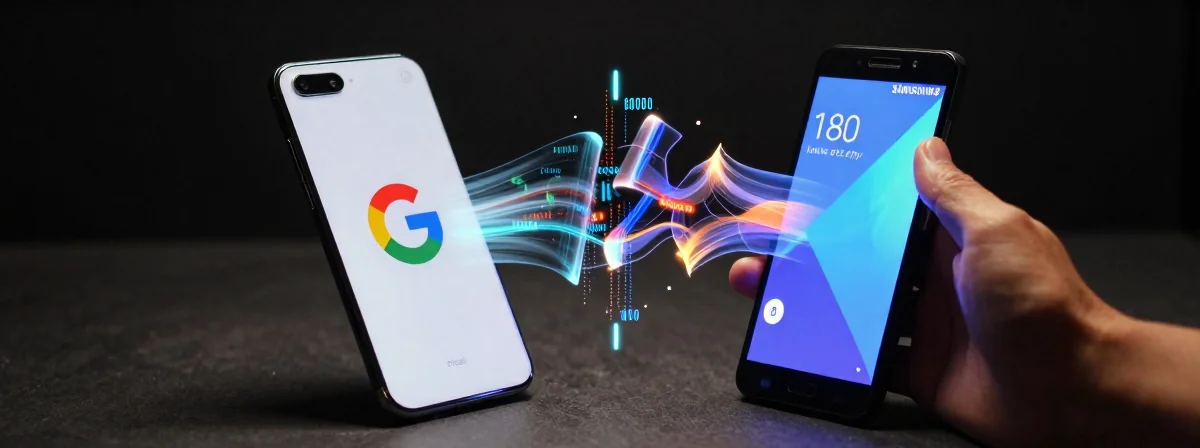
People keep asking me—after years of using both ecosystems—why their files won’t transfer smoothly between devices. They’re frustrated, and they shouldn’t be. Here’s the thing nobody’s talking about: this isn’t just about sharing files. It’s about control… and who gets to decide how you connect.
Let me break it down.
What They’re Not Telling You
SIDE A: The Pixel Perfectionists Google’s Pixel phones have long prided themselves on seamless integration—especially with Apple devices, thanks to Quick Share’s AirDrop support. The Pixel 9 and 10 series make this look effortless. You can send files to your Mac without breaking a sweat. And yes, you can technically disable the Quick Share extension, but the system fights back—reinstalling it automatically. It’s a clever trap. This ecosystem is designed for those who value simplicity, even if it means trading some control. Who is this for? Anyone who wants their phone to “just work” without digging into settings.
SIDE B: The Samsung Supremacy Samsung’s Galaxy line, particularly the S26, is making bold moves—adding support for multiple surround sound formats like DTS:X and Dolby Atmos. They’re even bringing AirDrop-like functionality to their ecosystem. But here’s the catch: Samsung has a history of feature gatekeeping. Remember Now Brief? A simple feature that never made its way to the S23, despite the hardware being capable. Why? The official story is “AI-focused chipsets,” but let’s be real—this is about creating selling points for new models. This ecosystem is for power users who want cutting-edge tech, even if they have to wait—or buy new—to access it.
THE REAL DIFFERENCE Here’s what most people miss: the speed of file sharing is just the tip of the iceberg. The deeper issue is ecosystem control. Google’s approach feels like a walled garden that occasionally opens its gates—just enough to make you feel included, but never enough to let you take control. Samsung, on the other hand, operates like a gatekeeper, deciding which features trickle down to older models based on what keeps the upgrade cycle churning. After years of using both, I’ve learned that neither company is truly on your side. They’re both playing the long game, using “feature parity” as a carrot to keep you locked in.
THE VERDICT From experience, if your priority is seamless cross-device compatibility—especially with Apple products—Pixel is the clear winner. But if you’re chasing the latest tech and don’t mind the occasional “you need the newest model” message, Samsung’s the path less traveled. Here’s my take: if you’re doing everyday tasks and want reliability, go with Pixel. If you’re doing high-end multimedia work and don’t mind the upgrade treadmill, Samsung’s the clear winner.
What Do You Believe?
The truth is, neither ecosystem is perfect. Both have their strengths and their hidden agendas. But the real question isn’t which one is better—it’s which one aligns with your values. Do you want a phone that works with the world, or one that demands the world work around it? Make your choice wisely. The answer might surprise you.