
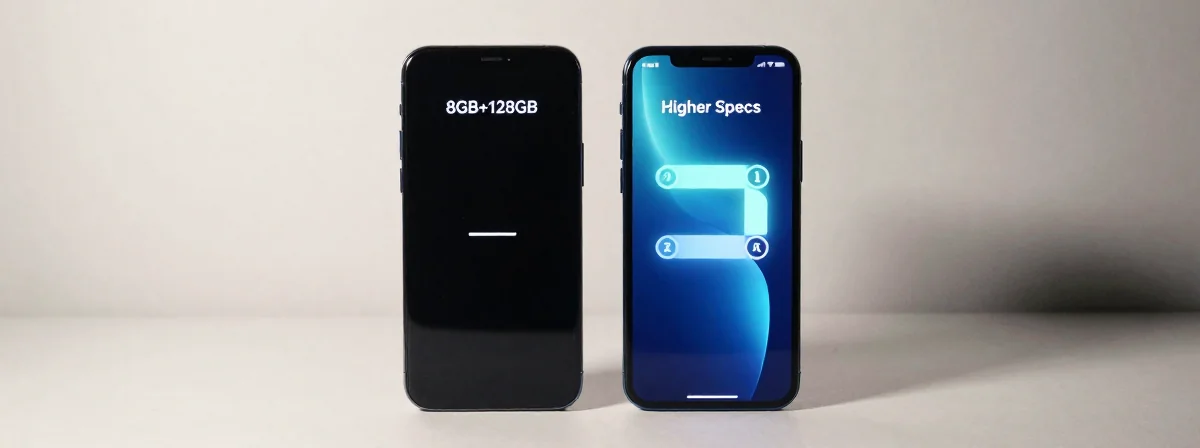
People keep asking me why base models are suddenly stuck with 8GB RAM and 128GB storage again. The price hikes are real—and they’re being driven by AI datacenter demand. Here’s the thing nobody’s talking about: this isn’t just about specs; it’s about how you actually use your device.
What I Discovered
SIDE A
The 8GB+128GB base model works if your needs are strictly light—think web browsing, document editing, or even teaching classes online. It’s compact, affordable, and for many, it’s “enough.” I’ve seen educators pair these with a sleeve and an external wireless mouse and call it a day. The trade-off is clear: you’re sacrificing future-proofing for immediate affordability. It’s a choice born of necessity, not preference.
SIDE B
Higher-spec models with 16GB RAM and 256GB+ storage handle multitasking and heavier workloads without breaking a sweat. They’re the go-to for creative professionals, developers, and anyone who can’t afford to wait for slow load times. The price tag is steeper now—triple what it was just two years ago—but the performance difference is night and day. If your work involves anything beyond basic tasks, this is the only real option.
THE REAL DIFFERENCE
Here’s what most people miss: the 8GB+128GB model isn’t just “good enough” for light tasks—it’s actively holding you back if your needs grow. After years of using both, I’ve seen the pattern: people start with the base model and end up resenting it as their demands increase. The thing nobody talks about is how quickly 128GB fills up with even moderate use. Meanwhile, 8GB RAM struggles under more than two browser tabs and a document open. The AI-driven price hikes are forcing a false economy—saving money now means paying more in frustration later.
THE VERDICT
From experience, if you’re doing light tasks like teaching or basic office work, the 8GB+128GB model might suffice—just accept that you’ll need an external drive and stay disciplined with storage. But if you’re doing anything more—coding, design, even heavy research—go with the higher specs. Here’s my take: the higher upfront cost is an investment that pays off in productivity. After using both for years, I’d never recommend the base model to anyone who isn’t absolutely certain their needs won’t change.
Wake Up
The market is pushing a narrative that “less is more,” but the truth is simpler: you get what you pay for. Don’t let the hype around AI justify stripping down consumer devices. If your work matters, don’t cheap out on the tools that let you do it. The real cost isn’t the hardware—it’s the time you waste waiting for a slow system to keep up with you. Make the choice that saves you from that headache—now and down the line.