
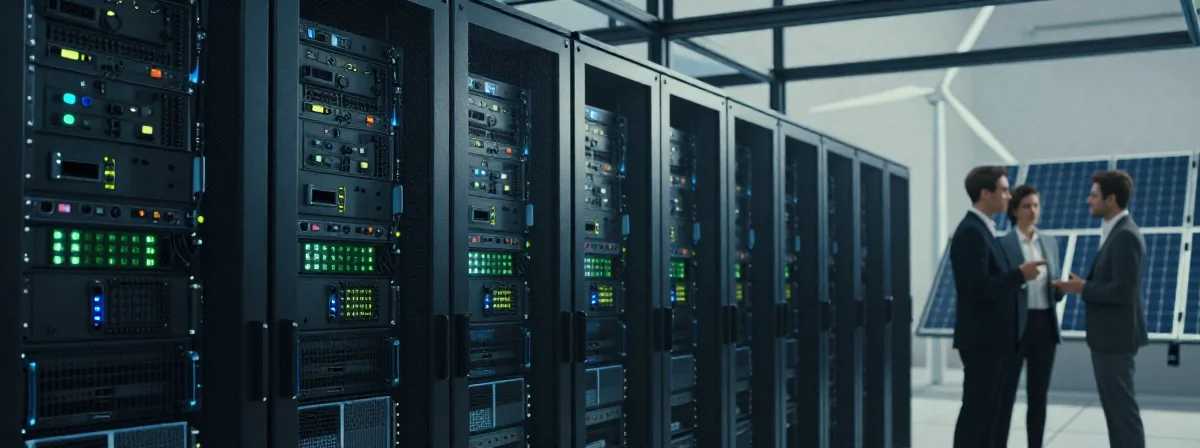
AI data centers are consuming power at an unprecedented rate, and the race to keep them running is heating up. But the solutions being proposed—nuclear vs. gas—reveal a deeper problem. Building a nuclear plant takes over a decade, costs billions, and may not even align with the rapid deployment needs of AI. Meanwhile, gas plants offer quick fixes but come with their own set of environmental and economic questions. Let’s break down the real-world challenges behind powering AI’s future.
The debate isn’t just about energy sources; it’s about timelines, costs, and whether we’re making sustainable choices. AI companies are stockpiling hardware because they can’t get data centers built fast enough. Waiting a decade for a nuclear plant isn’t an option when GPUs become obsolete in half that time. This mismatch has led to some surprising decisions, like a $33 billion gas plant—insane on paper, but logical when you consider the trillion dollars already invested in AI.
Why Nuclear Power Isn’t the Silver Bullet for AI Data Centers
Nuclear reactors sound ideal: clean, reliable, and scalable. But the reality is far more complicated. Construction timelines of 15-20 years, coupled with costs exceeding $30 billion (as seen with Vogtle Units 3 and 4), make nuclear a non-starter for AI’s immediate needs. After all, who wants to wait a decade for power when your hardware is already outdated?
The U.S. has virtually no nuclear reactors under construction right now, and the industrial capacity to build them is limited. Regulatory hurdles, bankruptcies like Westinghouse’s, and the Nukegate scandal have left investors wary. Even if we could build them faster, uranium dependency (95% imported, including from Russia) creates vulnerabilities. Meanwhile, solar and wind are dismissed as unreliable, but they don’t require a decade-long buildout or geopolitical dependencies.
Gas Power Plants: The Quick Fix No One Likes to Admit
When nuclear isn’t an option, gas becomes the fallback. A 10GW gas plant can be built in years, not decades, and it’s already powering some of the largest AI operations. Ohio’s grid saw a 33% capacity increase from one such project—but at what cost? Gas isn’t clean, and its price volatility could make long-term planning impossible.
The irony is that AI companies are willing to pay exorbitant sums for gas because they have no other choice. They’re funding fossil fuels to keep their machines running, even as they tout sustainability. This isn’t a long-term solution; it’s a Band-Aid on a gaping wound.
The Hidden Costs of Waiting for Nuclear
What if we forced AI companies to wait for nuclear? The idea sounds noble—10GW of clean energy could replace fossil fuels. But by the time the plant comes online, the GPUs will be obsolete, and the investment will have outlived its usefulness. The bubble will pop, and the plant will sit idle, a reminder of a mismatched timeline.
Nuclear also faces political and economic barriers. France, which relies heavily on nuclear, could face blackouts if uranium supplies are cut off. The same applies to the U.S. and China, though China’s ability to build reactors faster stems from centralized control, not democratic processes. In the West, public opposition, land constraints, and a shortage of nuclear engineers make scaling nearly impossible.
Solar and Wind: Why They’re Ignored at Scale
Solar and wind are often dismissed as unreliable, but they’re the only scalable solutions we have. A 10GW gas plant could theoretically be replaced with solar and battery storage, but the upfront cost and land requirements are daunting. Yet, solar doesn’t require a decade of construction, and its prices continue to drop.
The problem isn’t the technology; it’s the mindset. We’re still treating energy like a 20th-century problem, not a 21st-century opportunity. AI data centers could be built with massive solar arrays on their rooftops, but they’re not. Why? Because it’s easier to build a gas plant.
The Real Problem: A Systemic Failure to Adapt
AI’s energy demands are exposing a broken system. We’re choosing between impractical nuclear timelines and unsustainable gas fixes. The middle ground—rapid deployment of renewable energy—exists but isn’t being pursued.
Governments and corporations are so focused on short-term gains that they’re ignoring long-term consequences. The $33 billion gas plant isn’t just a bad investment; it’s a symptom of a deeper failure to innovate. If we don’t change course, AI’s growth will come at the cost of our planet.
What Would Actually Work? A Hybrid Approach
The solution isn’t all-or-nothing. We need a mix of solutions: fast-deployed solar and wind, improved battery storage, and yes—even some nuclear, where feasible. But we must stop pretending that one technology alone will save us.
AI companies should be required to invest in their own renewable infrastructure, not just rely on utility companies. And governments should streamline approvals for clean energy projects, not just fossil fuels. The debate isn’t about nuclear vs. gas; it’s about whether we’ll adapt or repeat the same mistakes.