
Imagine finding yourself in a situation where your body betrays you, where the instinct to fight for air is chemically or physically switched off before you even realize you’re in danger. That is the haunting reality of the Ms. Lee case in Chungju-si. She was found deceased with a plastic bag over her head, and while the presence of DNA suggests sexual activity, the complete absence of a struggle contradicts everything we know about human survival instincts.
When you peel back the layers of this investigation, you aren’t just looking at a crime scene; you’re looking at a physiological puzzle. The lack of defensive wounds and the clean toxicology report don’t necessarily point to a peaceful end—they point to a gap in the evidence that is far more terrifying than a simple struggle.
Examining the Claims
The Toxicology Paradox You might assume a negative toxicology report rules out drugs, but forensic testing is rarely that comprehensive. Tox screens look for specific compounds, not a blanket “any drug present” indicator. It is entirely possible she was administered a paralytic agent like tetrodotoxin—something rarely tested for in standard panels—which would render her physically unable to resist while leaving no trace in the initial report.
The Back Seat Anomaly
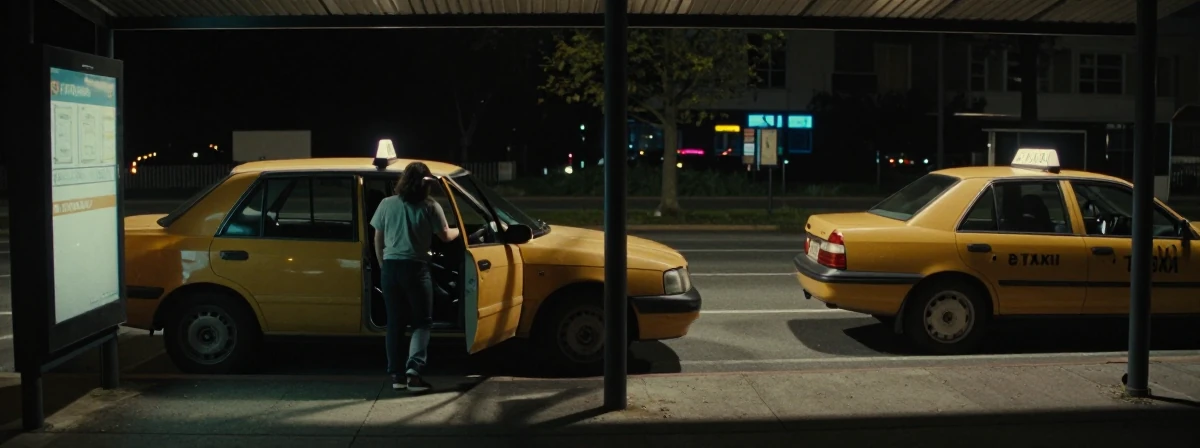
Consider the vehicle itself, a Hyundai XG. It’s a large sedan, and yet Ms. Lee got into the back seat. You generally don’t do that in a private car unless the front passenger seat is occupied or you believe the vehicle is a taxi. In areas like Chungju-si, predatory drivers often pose as unofficial taxis, targeting vulnerable people at bus stops—a detail that drastically changes the narrative of how she entered that car.
- The Biological Imperative

When the human body is deprived of oxygen, it doesn’t simply shut down; it enters a state of violent panic known as the “fight or flight” response. You don’t have a choice in the matter. Even in consensual “breath play,” the moment unconsciousness looms, the body physically rebels to survive. The fact that Ms. Lee’s body showed no signs of this thrashing or clawing suggests she was already incapacitated before the asphyxiation began.
The Freeze Response We must also account for the psychological variance in trauma reactions. While some victims fight back, others enter a “freeze” state, a dissociative shutdown where the brain convinces the body that stillness is the only path to survival. If she was sexually assaulted, it is possible she did not physically resist not because she consented, but because her terror response paralyzed her.
The Three-Day Vacuum Her husband waited three days to report her missing. Even if this was standard behavior for their relationship, that delay creates a critical vacuum of time. It allows the trail to go cold, the weather to degrade evidence, and the narrative to shift from a missing person to a recovery effort. It’s a detail that, while not proof of guilt, complicates the timeline significantly.
The Final Analysis
This case forces us to confront how little we understand about the final moments of a victim’s life. The silence at the scene isn’t peace; it’s a question mark that challenges our assumptions about consent, capability, and control.
Whether this was a predatory attack, a transaction gone wrong, or an intimate encounter that turned fatal, the evidence—or lack thereof—paints a picture of someone who was silenced before they could scream. You are left with the unsettling realization that the most damning evidence in this case isn’t what the police found, but what the victim’s body was unable to do.