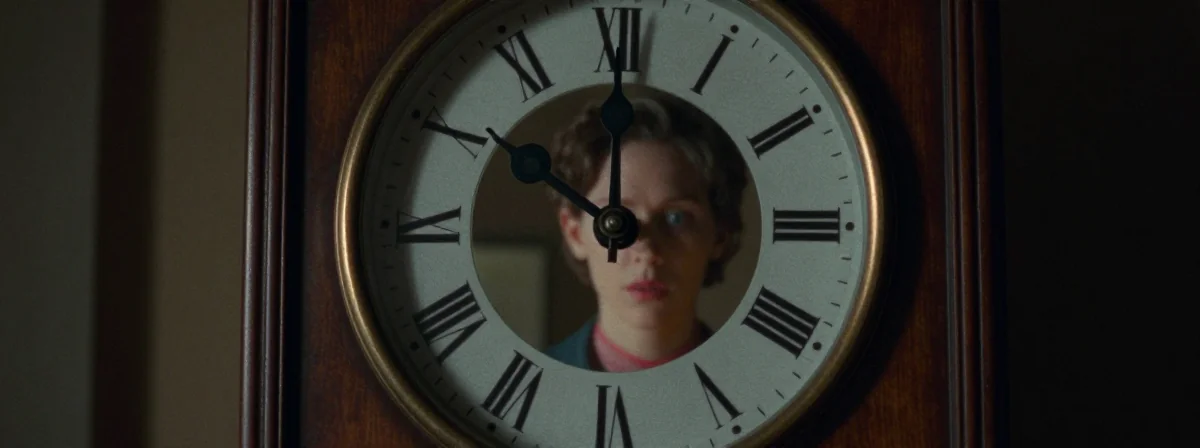
Ever stared at a photo that sent chills down your spine, only to realize something’s off? The clock in the corner isn’t moving. The lighting changes in seconds. The ‘entity’ looks suspiciously like a jacket or a shadow. It’s not supernatural—it’s science.
We’ve all seen them: photos claiming to show ghosts, demons, or unexplainable phenomena. But before you call the paranormal investigators, check the basics. The truth is often hidden in plain sight—like a dead battery in a clock or a camera’s refresh rate catching motion the wrong way.
Here’s the breakdown of what’s really happening when ‘haunted’ photos go viral.
Why Does the Clock Never Change?
The most glaring clue is the time. If a series of photos shows the same time—even with lights turning on and off—something’s fishy. Most digital clocks either update in real-time or stay frozen if they’re unplugged. If the clock’s stuck, the camera’s timing is suspect too.
This isn’t a coincidence. Security cameras and phones often timestamp photos, but if the clock in the frame is static, it suggests the scene was staged or the clock is broken. Either way, it’s a red flag. Real paranormal activity doesn’t care about your wall clock’s battery life.
Contrast and Brightness: The Editing Red Flags
Ever zoom in on a ‘haunted’ photo and see the edges of the ‘entity’ look too sharp? That’s because someone likely cranked up the contrast. The second photo in the series is almost always edited to make the ‘demon’ stand out.
This isn’t paranormal—it’s Photoshop 101. Increasing contrast can turn a blurry shape into something that looks like horns or hands. But ask yourself: Why would a ghost need editing? The answer: It doesn’t.
The Neighbor Kid’s Jacket: A Case of Reflections and Shadows
That ‘entity’ near the kid? It’s probably the jacket. Silver, shiny jackets with black interiors can split in photos when light hits them just right. The camera catches the reflection from the iPhone’s flash but misses the matte side, making it look like two separate objects.
No demons needed—just physics. The same way a wet road looks shiny at night, certain materials fool cameras. If you’re near power lines or railroads, electromagnetic interference can distort images too. But that’s still not a ghost.
Camera Glitches: When Tech Creates ‘Paranormal’ Illusions
Blurry photos aren’t always ghosts. Cheap security cameras or phones with slow refresh rates can capture motion in weird ways. If someone moves quickly in frame, the camera might catch partial images, making it look like a figure with ‘arms’ or ‘legs’ where there’s nothing.
This is called motion blur or ghosting in photography. It’s not supernatural—it’s a technical flaw. Try recreating the scene: Have the kid sit in the same spot, then move quickly. If you get a similar ‘anomaly,’ you’ve just debunked your own ‘haunting.’
The ‘Demon’ Word: Why We See What We Expect to See
The moment someone calls something a ‘demon,’ skepticism drops. Our brains are wired to find patterns—even in noise. That’s why we see faces in clouds or ‘horns’ in a blurry shape. It’s called pareidolia.
Statistically, the chance of a demon showing up in your living room is zero. The chance of a camera glitch, a reflection, or a staged photo? Much higher. Before you panic, ask: What’s the simplest explanation?
Check the Basics Before You Believe
Before you call ghost hunters, check for carbon monoxide leaks, mold, or allergens. These can cause hallucinations or anxiety, making you more likely to see ‘entities.’ Also, fresh air and a therapist can work wonders. Paranormal claims often hide real-world issues.
What the Experts Know (That You Don’t)
Security pros see this all the time: staged photos, camera errors, and natural phenomena misinterpreted as haunted. They know that most ‘paranormal’ evidence is explainable. The real mystery isn’t the photo—it’s why we keep falling for it.