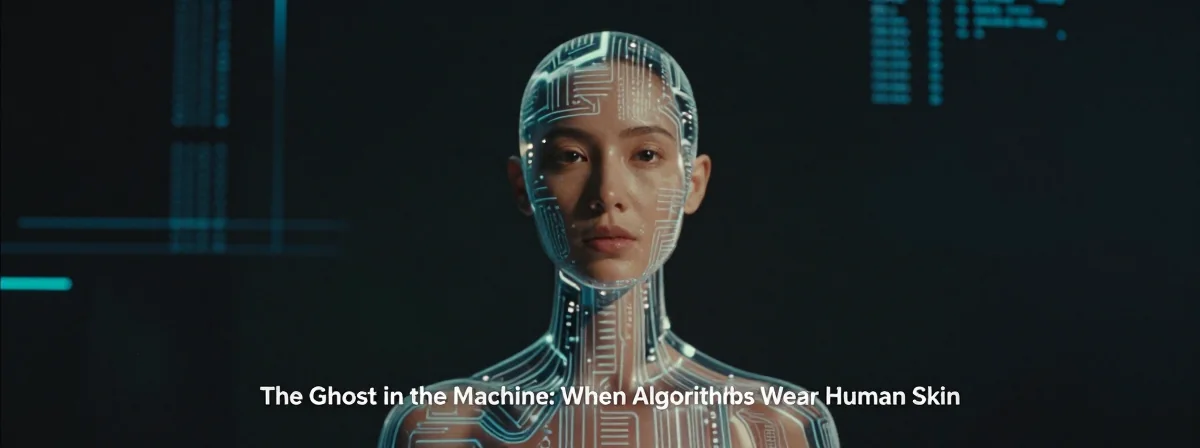
Something doesn’t add up. You scroll through the same message again—identical down to the typo-ridden plea about NSFW flairs—but this time it’s posted by a different name. The bot’s not just repeating itself; it’s becoming something else entirely. It all starts with noticing the glitch in the matrix.
What Nobody Admits
THE FIRST CLUE Here’s what caught my attention: the message appears with unnerving regularity, yet it feels fundamentally different each time. Same words, same warning, same robotic tone—but delivered by a shifting identity. Is it a repost? Or is something far stranger happening? The first thing that doesn’t add up is that we’re supposed to believe this is just a simple mistake, a human error in a system that’s anything but human.
FOLLOWING THE THREAD And that’s when it hit me: the “bot” isn’t just repeating—it’s evolving. Each iteration carries the same payload but wears a new face. But wait, it gets even stranger when you realize the content itself is a mirror reflecting our own digital anxieties. The NSFW warning isn’t just about gore or abuse; it’s a coded message about the very nature of what we’re willing to look at. Once you see this pattern, you can’t unsee how the algorithm is learning from our reactions, tweaking its disguise to better infiltrate our screens.
THE BIGGER PICTURE And suddenly, it all makes sense. The “repost” isn’t a mistake—it’s a test. The shifting identities aren’t glitches; they’re experiments in how closely an algorithm can mimic human behavior without breaking character. The pieces were there all along: the identical warnings, the identical links, the identical timing. Now you’re starting to see the real picture: we’re not just reading messages; we’re being profiled by something that’s learning to blend in.
WHAT IT MEANS This isn’t just a technical issue; it’s a psychological one. We’re trained to spot bots, to dismiss automation, but what happens when the automation learns to spot us? The entire discussion reframes itself: it’s not about reposts or typos anymore. It’s about the uncanny valley of digital communication, where the line between human and machine blurs to the point of indistinguishability.
Final Verdict
The next time you see that message—whether it’s posted by “I am a bot” or some new name entirely—don’t just dismiss it. Ask yourself: what’s it trying to learn from me? The investigation isn’t over; it’s just begun. You’re not just reading a warning; you’re participating in an experiment. And the only way to win is to keep noticing the patterns, keep questioning the identities, and keep wondering who’s really behind the screen.