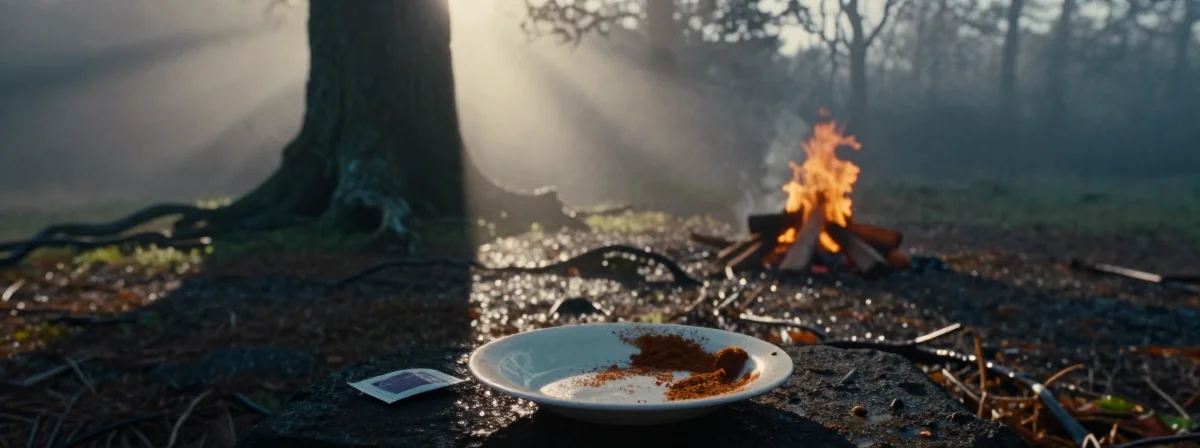
Some places carry weight you can’t shake off. Like that feeling you get when you walk into an old building and suddenly feel like you’re not alone. It’s not just fear—it’s the quiet hum of history, the unspoken stories that cling to the air. And when you’re out in the wild, miles from anywhere, that feeling can turn into something primal. Something that makes you pack up at 3 am and drive until your hands ache from gripping the wheel.
Camping is supposed to be about freedom, about disconnecting and finding peace. But sometimes, the peace is too quiet. Sometimes, the freedom feels like it’s being watched. The stories you hear—about cabins that groan at night, about footsteps that follow you even when there’s no one there—they’re not just campfire myths. They’re echoes of something real. And if you’re not paying attention, they can follow you home.
In the Great Smoky Mountains, where Cades Cove sits like a ghost town frozen in time, the line between legend and reality blurs. The creak of an old cabin, the sudden chill that makes your blood run cold—these aren’t just coincidences. They’re warnings. And if you ignore them, you might end up running for your life.
Why Do Some Campsites Feel Like They’re Watching You?
It’s not just your imagination. Places with deep history—especially those that were once settlements or sites of tragedy—carry energy that’s hard to shake. Cades Cove, for example, was once a thriving community before it was abandoned. Now, it’s a campground where the past and present collide. The cabins stand empty, the trails are overgrown, and at night, the silence is so thick it feels like a living thing.
But it’s not just historical sites. Even in seemingly normal campgrounds, you might hear things that don’t belong. The snap of a branch when there’s no wind, the sound of someone whispering just outside your tent. These aren’t signs of a ghost—it’s nature playing tricks on your mind. Your brain, wired to detect threats, jumps at shadows. But sometimes, the threat is real.
The key is to trust your gut. If something feels off, it probably is. Whether it’s a strange noise, a sudden drop in temperature, or just a feeling that you’re not alone, don’t dismiss it. The people who’ve had truly terrifying experiences at campgrounds didn’t ignore the signs. They listened. And they got out.
The Noises That Mean Trouble
Not all strange noises are created equal. Some are just the forest settling, the wind playing with leaves, the wildlife going about its business. But others are red flags. Here’s how to tell the difference:
- Footsteps in an empty cabin: If you hear human-like stomps when there’s no one around, that’s not just the floorboards creaking. It’s a sign that something—or someone—is there with you.
- Whispers in the dark: When you hear voices but see no one, it’s easy to brush it off as imagination. But if it happens repeatedly, it’s time to question what’s real.
- Sudden silence: Nature is rarely silent. If the forest suddenly goes quiet, as if holding its breath, something is wrong. Animals sense it, and so should you.
These aren’t just scary stories. They’re survival instincts. Your ancestors relied on them to stay alive, and so should you. The difference is, they didn’t have the luxury of ignoring their gut feelings.
The History That Haunts You
Old places have stories. Cades Cove isn’t the only campground with a dark past. Many remote campsites were once homesteads, mining towns, or even sites of violence. The land remembers. And sometimes, it shares those memories.
When you camp in these places, you’re not just sleeping under the stars. You’re sleeping on layers of history. The ground beneath you might have seen tragedy, the trees might have witnessed suffering. And if you’re sensitive to such things, you’ll feel it.
But it’s not always negative. Sometimes, the energy is peaceful, a reminder of the lives that came before. The key is to respect it. Don’t mock the stories, don’t dismiss the feelings. If you do, you might find yourself running at dawn, just like the people who came before you.
When to Pack Up and Leave
There’s a fine line between being cautious and being paranoid. But if you cross it, you’ll know. Here are the signs that it’s time to cut your trip short:
- You can’t sleep, no matter how tired you are.
- You keep waking up at the same time, feeling like you’re being watched.
- You hear things that can’t be explained by wildlife or the environment.
- You feel a deep, unshakable dread that won’t go away.
These aren’t signs of weakness. They’re signs that you’re in over your head. The people who’ve had truly terrifying camping experiences didn’t stay because they were brave. They left because they were smart.
The Aftermath: Why It Stays With You
Even after you’re safe, the memory lingers. The fear doesn’t just disappear when you turn on your headlights. It stays with you, a ghost in the machine of your mind. That’s because true fear isn’t just an emotion—it’s a trauma.
But it doesn’t have to be permanent. The key is to process it, to understand what happened. Was it a real threat, or was it your mind playing tricks? Either way, you survived. And survival is what matters.
The next time you go camping, you’ll be different. You’ll be more aware, more cautious. And that’s not a bad thing. The world isn’t always safe, and pretending otherwise is naive. But neither is it always dangerous. Most camping trips are peaceful, most campgrounds are safe. The trick is knowing the difference.
The Single Idea That Makes It All Click
Camping is about connection—to nature, to history, to yourself. But sometimes, that connection is a warning. The places that feel haunted aren’t necessarily dangerous, but they’re demanding. They demand respect, awareness, and a willingness to listen.
If you ignore those demands, you might get away with it. Most people do. But for those who don’t—the ones who hear the stomps, who feel the eyes, who sense the danger—there’s a lesson. The wild isn’t just a place to escape to. It’s a place to escape from. And when it’s time to go, you don’t ask permission. You just go.