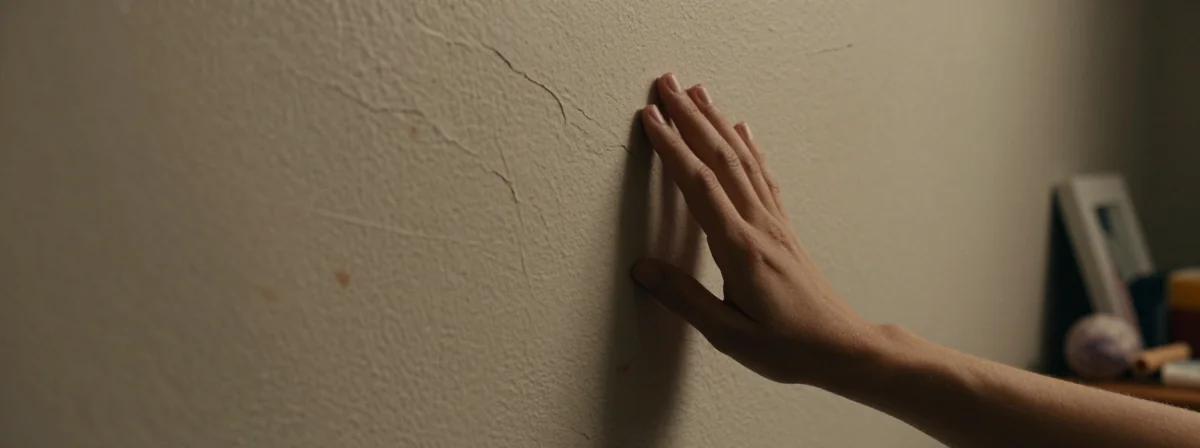
Have you ever felt that something just wasn’t right in your home? That nagging feeling that you’re not alone, even when you know you’re by yourself? These aren’t always just figments of imagination. Our living spaces often reveal secrets we’re not meant to see, and ignoring these signals can have serious consequences. The line between normal household quirks and genuinely concerning events is thinner than most people realize.
Our homes should be sanctuaries, places of safety and comfort. Yet, sometimes our intuition picks up on disturbances that our conscious minds want to dismiss. This isn’t about jumping to conclusions or manufacturing fear where none exists. It’s about recognizing the subtle warning signs that something might be genuinely amiss in your environment, whether it’s a physical threat or something more psychological.
Consider the story of a woman who noticed increasingly strange occurrences in her home. From objects moving to unexplained shadows, she initially dismissed these events. Only when she installed security cameras did she discover what was really happening. This isn’t an isolated incident. Many people experience unsettling phenomena in their homes that turn out to be significant warnings.
Have you noticed increasingly strange occurrences in your home?
The human mind has an incredible capacity to normalize unusual events over time. What initially seems alarming can become background noise if it persists. This is particularly true in our homes, where we spend the most time. A flickering light might startle you the first time, but by the tenth time, you might not even notice it anymore. This desensitization can be dangerous when the unusual events are actually warning signs.
Take the experience of someone who saw a man standing in their hallway. While they hesitated to mention this detail initially, it represents a significant piece of information. Our brains often filter out details that seem too extraordinary, preferring to maintain a sense of normalcy. However, these filtered details are frequently the most important clues about what’s really happening. Trusting your initial reaction to such events is crucial before your mind has a chance to rationalize them away.
The escalation of unusual events is another critical factor. If you’ve experienced strange phenomena in the past that seemed isolated, but recently they’ve become more frequent or intense, this pattern shouldn’t be ignored. It suggests that whatever is causing these occurrences is either adapting or intensifying. This progression is rarely random and often indicates a deliberate pattern or growing threat.
Could someone close to you be manipulating your environment?
It’s uncomfortable to consider, but sometimes the most unsettling occurrences in our homes are orchestrated by people we trust. Manipulation can be subtle, designed to create confusion or fear without direct confrontation. This isn’t about jumping to conclusions about those around you, but rather about recognizing patterns that might indicate manipulation.
Gaslighting, the psychological manipulation where someone makes you doubt your own sanity or perception of events, often begins with small, seemingly innocuous actions. These might include rearranging items to create confusion, denying events occurred, or suggesting you’re being overly sensitive. Over time, these tactics can erode your confidence in your own judgment, making it harder to recognize what’s really happening.
The most effective manipulation often comes from those closest to us, precisely because we’re less likely to suspect them. This proximity creates a perfect environment for gradual, incremental manipulation that’s difficult to detect until it’s well underway. Recognizing this possibility isn’t about paranoia—it’s about maintaining awareness of potential threats, even from unexpected sources.
Consider the experience of someone who lived with their partner for years without issues, only to discover later that subtle manipulation had been occurring all along. The realization often comes not from a single dramatic event, but from recognizing a pattern of smaller occurrences that were previously dismissed. This pattern recognition is key to identifying manipulation before it becomes deeply entrenched.
Have you considered installing monitoring systems in your home?
In an era where technology offers unprecedented monitoring capabilities, dismissing security systems as unnecessary can leave you vulnerable. Security cameras, smart home sensors, and other monitoring devices aren’t just for catching burglars—they can reveal patterns and occurrences that would otherwise go unnoticed. The decision to implement such systems shouldn’t be based on fear, but on awareness and preparedness.
The experience of someone who installed cameras after noticing strange occurrences illustrates this point. What they initially dismissed as normal home quirks turned out to be something far more concerning. This revelation came not from a dramatic event, but from consistent monitoring that captured patterns invisible to the naked eye. Regular security checks can reveal patterns that individual observations might miss.
Modern monitoring systems offer capabilities that extend beyond simple video recording. Many systems now include motion sensors, audio recording, and even environmental monitoring that can detect unusual changes in your home. These multi-faceted approaches create a more comprehensive picture of what’s happening in your living space, filling gaps in human perception and memory.
It’s worth noting that monitoring doesn’t have to be expensive or intrusive. Even basic systems can provide valuable insights when used consistently. The key is establishing a baseline of normal activity that can be compared against any unusual occurrences. This baseline creates a reference point that makes anomalies immediately apparent, even if they’re subtle at first.
Should you trust your initial instincts about unusual events?
Our instincts evolved as sophisticated detection systems for threats, honed over millennia of human history. In modern environments, these instincts can seem outdated or unreliable, but they remain remarkably accurate at detecting genuine threats, even when our conscious minds want to dismiss them. Disregarding these intuitive warnings is often how people find themselves in dangerous situations.
The phenomenon of people “hiding their true colors” for extended periods is well-documented. This ability to maintain a facade of normalcy while concealing harmful intentions creates an environment where trust in others can be misplaced. Recognizing that those closest to us might be capable of unexpected behavior isn’t about fostering distrust—it’s about maintaining awareness without judgment.
Trust in your own perception is fundamental to recognizing unusual events. When something feels off, it often is, even if you can’t immediately articulate why. This gut feeling represents the sum of subtle cues your brain has processed subconsciously. Dismissing these feelings because they lack immediate logical explanation is how warning signs are often missed until it’s too late.
Consider the experience of someone who trusted their instincts about unusual occurrences in their home. Their decision to investigate further, despite initial skepticism, led to discovering significant issues that could have worsened if ignored. This pattern—initial dismissal followed by eventual recognition—is common in situations where people later realize they should have acted on their instincts earlier.
How can you approach potential threats without creating unnecessary conflict?
Identifying potential threats doesn’t automatically require confrontation. In many cases, subtle observation and documentation can provide the information needed to address issues without escalating conflicts unnecessarily. This approach protects you while minimizing disruption to your living environment and relationships.
The decision to approach potential threats should be based on evidence rather than suspicion. Documenting unusual occurrences—when they happen, what they involve, and any patterns that emerge—creates a factual basis for assessment. This documentation should be objective, focusing on observable facts rather than interpretations or emotional reactions.
Professional consultation can provide valuable perspective when unusual events are occurring. Security experts, psychologists, or other relevant professionals can offer insights that aren’t clouded by personal relationships or emotional investment. Their objective assessments can help determine whether concerns are justified and what steps might be appropriate.
Remember that many unusual occurrences have innocent explanations. However, the approach to investigating these should be systematic and thorough, rather than dismissive or confrontational. This balanced approach protects you while maintaining harmony in your living environment, ensuring that genuine concerns aren’t overlooked while unnecessary conflicts aren’t created.
What single change can you make today to better understand your living environment?
The most effective protection comes from consistent awareness rather than reactive measures. Implementing a simple daily or weekly routine to observe your living environment can reveal patterns or changes that might otherwise go unnoticed. This doesn’t require elaborate systems or significant time commitments, but rather a conscious decision to pay attention.
Start by establishing a baseline of normal activity in your home. Note regular sounds, patterns of movement, and typical occurrences. This baseline creates a reference point that makes anomalies immediately apparent. Even subtle changes can be significant when viewed in the context of established patterns.
Consider implementing a simple monitoring system, even if it’s just a smartphone with recording capabilities used strategically. Modern technology makes it easier than ever to capture evidence of unusual occurrences without significant investment. The goal isn’t to create a surveillance state, but to have objective information when something feels off.
Finally, trust your perception when something feels wrong. The cumulative effect of small, unusual occurrences often reveals significant issues that individual events might mask. Your awareness, combined with systematic observation, creates a powerful defense against whatever might be truly happening in your living space.