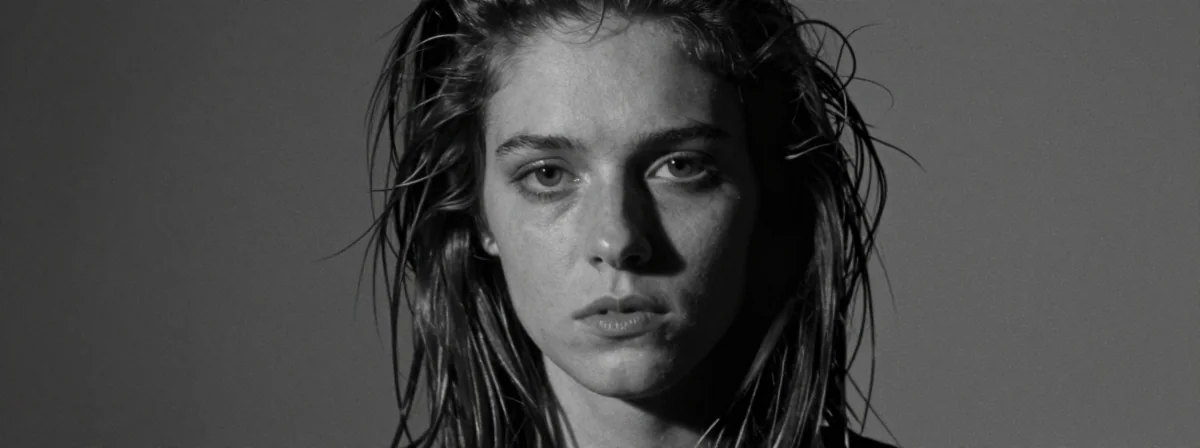
I’ve spent years watching this cycle repeat, and I’m done staying silent. The same emaciated aesthetic that dominated the 90s—dubbed “Heroin Chic”—is back, and this time it’s fueled by pharmaceuticals. You see it in magazines, on runways, and even in your feed. But ask yourself: Why are we romanticizing starvation again?
It started with Kate Moss and the Epstein-Wexner machine, but now it’s normalized by Ozempic and a generation that thinks “skeletal” is “edgy.” I’ve seen the photos, heard the whispers, and I know this isn’t just a phase—it’s a sickness we’re selling. And if you think this is harmless, you’re already part of the problem.
The truth is, when food was scarce, being fat was a status symbol. My grandmother, who survived WWII, always said, “A round face means you’re safe.” Now? We’re pushing the opposite—so thin it’s dangerous.
Why Are We Obsessed With Looking Like We’re Dying?
It’s not just nostalgia for the 90s. It’s a calculated move by industries that profit from your insecurity. Remember when “thick” was in? Now gyms are packed with girls doing endless cardio, chasing that “Ariana Grande” look. But here’s the catch: She didn’t need to lose weight. The difference between “skinny” and “skeletal” isn’t just numbers—it’s life.
And don’t kid yourself—Ozempic isn’t just for diabetes anymore. It’s the new diet pill, and influencers are addicted to it. The same people who preached body positivity last decade are now selling you starvation. That’s not progress. That’s a con.
The Dark History No One Mentions
This isn’t new. Twiggy started it in the 60s, but the 90s took it to hell. “Heroin Chic” wasn’t just a look—it was a statement: “I’m so above it all, I don’t even eat.” And now Gen Z thinks it’s “retro.” They post filtered pics of waif models, never realizing they’re celebrating an era that killed people.
But here’s the twist: When society swings progressive—accepting curves, plus sizes—we always overcorrect. First comes the backlash. Then comes the sickness. It’s a pattern, and we’re living it now.
Ozempic: The New Anorexia?
Taking a drug to mimic starvation isn’t “health.” It’s dangerous. I’ve seen women on it—constantly hungry, moody, obsessed with the scale. They think they’re “disciplined,” but they’re just high on a pharmaceutical that messes with their brain. The fashion industry loves it because it’s easier than dieting. The pharmaceutical industry loves it because you’ll be on it forever.
And don’t forget buccal fat removal. That procedure—where they carve out the softness of your face—is the ultimate surrender. You’re not just thin; you’re hollow. It’s the final step in erasing any hint of life from your appearance.
When Did Being Healthy Become Uncool?
My grandmother was right: A little extra weight means you’re thriving. But now? Being “fit” means being underweight. Look at ANTM—half the contestants are malnourished. The other half are on Ozempic. There’s no middle ground.
This isn’t about personal choice. It’s about a culture that profits from your self-hatred. Media networks are bought by Big Pharma, so of course they’ll show you skeletal models and then sell you a pill. It’s a feedback loop of death.
The Only Way Out
If you’re on Ozempic for weight loss, stop. If you’re chasing a look that requires starvation, stop. Health isn’t a number—it’s energy, it’s resilience, it’s joy. The next time you see a “90s revival” post, ask: Who benefits from this? The answer isn’t pretty.
We’re not stuck in a loop because we can’t change. We’re stuck because we keep pretending this isn’t a problem. Wake up. The “thin ideal” isn’t romantic—it’s a cage. And the key is right in front of you: Choose life, not starvation.