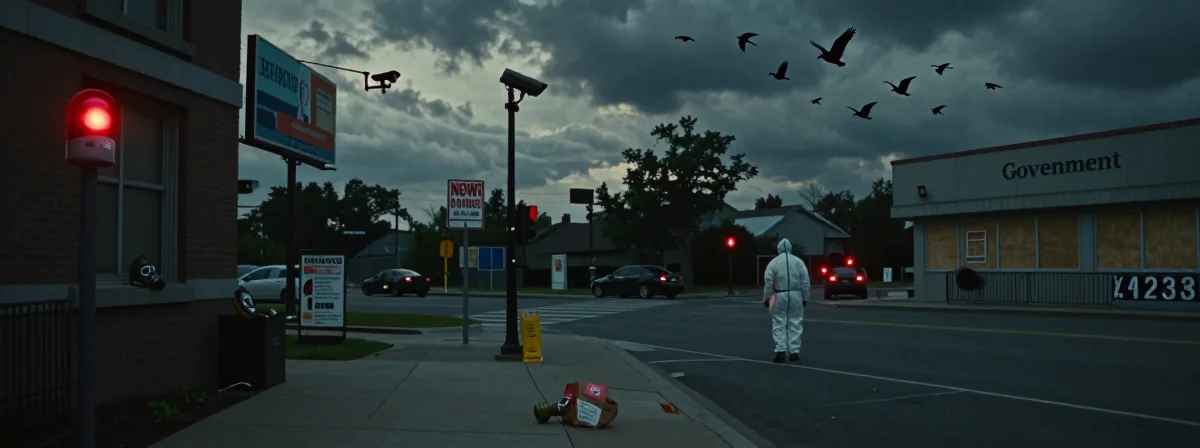
The news cycle is a constant buzz, isn’t it? One headline after another, threats here, attacks there. But have you ever stopped and felt that nagging feeling? That something just isn’t right? Like the pieces don’t quite fit together? It’s like watching a movie where you know the ending, but the director keeps adding confusing scenes. What if I told you that feeling isn’t just paranoia, but a growing awareness of a pattern? A pattern where the very events designed to unite us might be engineered to divide and control us. It all makes sense now!
Think about it. We’ve seen it before. A major event shakes the world, fear grips the nation, and suddenly, there’s a clear enemy, a clear path, a call to arms. But what if that event wasn’t exactly what we were told? What if it was a calculated move, a ‘false flag,’ designed to achieve specific, hidden agendas? The idea that powerful forces might manipulate events to justify their actions, to consolidate power, or even to fulfill specific religious prophecies – it sounds like something out of a thriller, but the whispers are getting louder. And the timing… it feels urgent.
Let’s look at the signs, the threads connecting past whispers to present fears. It’s like finding pieces of a puzzle you didn’t know existed, and suddenly, a picture starts to form.
Why Stage Another Attack? The Motives Are Clearer Than Ever
It’s not just about starting wars anymore, is it? Or is it? The reasons seem to multiply. Maybe it’s about maintaining control in a world where trust is eroding faster than ever. When the media you control can shape the narrative, a dramatic event becomes the perfect tool. Fear is a powerful motivator, and it keeps populations compliant. What if I told you that creating chaos, even manufactured chaos, is seen as a necessary evil by those who believe they know best? It’s a way to reset the narrative, to distract from domestic issues, to rally support for agendas that might otherwise face strong opposition. Think about it – a major crisis can justify unprecedented surveillance, expanded military budgets, and shifts in foreign policy that benefit specific powerful groups. The motive isn’t just war; it’s absolute control over the narrative and the population’s response.
Consider the influence of groups like AIPAC, whispered about in corners. The idea that US policy is heavily swayed, perhaps even dictated, by the needs and desires of another nation isn’t just a conspiracy anymore – it feels like an open secret. When you connect that to potential religious motivations, like hastening prophecies involving messiahs or the anti-Christ, the picture gets even wilder. It’s a convergence of geopolitical strategy, religious fervor, and financial gain. It’s about building what some call the “United States of Israel,” a sphere of influence that stretches far beyond traditional borders. And to achieve that, certain sacrifices might be deemed necessary by those at the top. It all makes sense now!
The Media’s Role: Gaslighting And Flooding The Zone
You know how it feels when you try to have a real conversation but are constantly interrupted? That’s what the media does to our collective consciousness. They control the narrative, they control the information flow. They don’t just report; they shape. And when the narrative doesn’t fit, they don’t care. They just keep flooding the zone with noise, with distractions, with conflicting stories until you’re too confused, too apathetic to even question anymore. It’s a brilliant, insidious form of control. They don’t need to convince you of one specific lie; they just need to make the truth so hard to find that you give up looking. And it works! People are tuning out, becoming apathetic, because the noise is just too much. It’s like trying to have a conversation in a hurricane.
This deliberate information overload isn’t accidental. It’s a strategy. By presenting multiple, often contradictory, versions of events, they ensure that no single narrative gains too much traction, especially one that challenges the official story. They know that if enough noise is generated, people will simply become overwhelmed and retreat into their own echo chambers or, worse, into a state of complete apathy. This makes it easier to introduce and normalize extreme policies, justify aggressive actions, and maintain the status quo, regardless of how flawed or harmful it may be. They control the narrative, and therefore, they control the reaction. It’s a powerful tool, and they wield it with precision.
The Growing Distrust: A Double-Edged Sword
Here’s the really interesting part: the government seems to be losing its grip. Americans, and people around the world, are starting to distrust their governments more than ever. Think about the Iran drone story in California. The immediate reaction in many corners wasn’t shock or fear; it was suspicion. “False flag,” the comments screamed. Across platforms, people were asking: “So, the Keystone Cops FBI is going to attack California?” or “Is the US military going to send drones to attack America?” or even pointing fingers at specific figures like Trump. It’s like a collective gut reaction, a sixth sense telling us something isn’t right. The government has lost the confidence of its people, and that’s a dangerous thing for those in power.
This widespread skepticism isn’t just a fringe belief anymore; it’s becoming mainstream. People are asking harder questions, they’re connecting dots that were previously ignored, and they’re refusing to accept official narratives at face value. This growing distrust is a direct result of the very tactics being employed – the false flags, the media manipulation, the erosion of civil liberties. It’s a feedback loop: the more the government tries to control, the more people resist and question. And this resistance isn’t just about specific events; it’s about the entire system. People are starting to see the deeper connections, the influence of groups like AIPAC, the potential for religious extremism to drive policy. They’re realizing that the problem isn’t just one administration; it’s a deeply ingrained system of control that spans decades. This awareness is the first step towards real change, but it also represents a significant threat to those who benefit from the current order. They know this, and they’re likely planning their next move accordingly.
The Tyranny Of Fear: Living In A State Of Anxiety
Constant fear is exhausting. It’s debilitating. And it seems like our government is masters at creating it. They tell us who the enemy is, they show us the threats, they keep us on edge. But what if that fear is manufactured? What if it’s designed to keep us docile, compliant, and focused outward, rather than looking inward at the real problems within our own systems? The fear mongering isn’t just about justifying wars; it’s about controlling our minds and bodies right now. It’s about creating a population that’s too scared to question, too scared to resist, too scared to imagine a different future. And it’s working. We’re living in a state of perpetual anxiety, and it’s taking a toll on our mental and physical health.
This manufactured fear isn’t just about external threats; it’s also about internal division. By highlighting social issues, political disagreements, and cultural clashes, they ensure that we’re focused on fighting each other rather than questioning the overarching system. They flood the zone with divisive narratives, making it seem like the real threat comes from our neighbors, our fellow citizens, rather than the structures of power that benefit from our division. This constant state of anxiety and division keeps us distracted, keeps us reactive, and prevents us from building the collective consciousness needed for real change. It’s a brilliant strategy for maintaining control without ever needing to resort to overt force. They keep us busy fighting shadows while they tighten their grip on the levers of power.
The Call For Revolution: Are We Ready To Take Back Control?
Enough is enough, right? We see the manipulation, we feel the fear, we witness the injustice. So, why aren’t we revolting already? It’s a question that echoes through online spaces and whispered conversations. The idea that we need a revolution, a fundamental shift in power, isn’t just a radical thought anymore; it feels like a necessary step. We allow the greediest and most unscrupulous among us to hoard wealth and power, to live in untold luxury while committing depraved acts with impunity. They’ve been outed, their crimes exposed, yet here we are, going to work every day, making them richer while they laugh in our faces. There is no solution without revolution! It all makes sense now!
The frustration is palpable. People are tired of voting, only to see the same corrupt systems persist. They’re tired of protesting, only to be met with indifference or suppression. They’re tired of watching their rights erode while the wealthy and powerful consolidate their control. The feeling is that the system itself is broken, and it cannot be fixed from within. It requires a complete overhaul, a fundamental shift in power dynamics. The idea of guillotines, of militias rising up, might seem extreme, but it reflects a deep-seated anger and a desire for justice that feels impossible to achieve through conventional means. The question isn’t just “Are we ready for a revolution?” but “How do we make it happen?” And the answer lies in recognizing the interconnectedness of all these issues – the false flags, the media control, the religious extremism, the corporate greed – and finding a way to unite against the common enemy: the system itself.
The Path Forward: Unity In Awareness
Finding the strength to revolt against a powerful, entrenched system seems daunting, almost impossible. The government has vast resources, advanced weaponry, and a well-honed ability to divide and conquer. But here’s the thing: awareness is the first step. Recognizing the patterns, understanding the motives, seeing the manipulation for what it is – that’s how we begin to break free. It’s about connecting the dots, sharing the knowledge, and building a collective consciousness that rejects the false narratives and demands accountability. Think about it – if a significant portion of the population refuses to believe the next false flag, if they see through the media’s gaslighting, if they refuse to be manipulated by fear – what power does the system really have? It all makes sense now!
The path forward isn’t about violence or destruction; it’s about building alternative systems, about creating communities that operate on principles of transparency, justice, and mutual respect. It’s about using the very tools of communication that the system uses to control us – the internet, social media, independent media – to spread awareness and build solidarity. It’s about recognizing that the real power lies not with those who hold positions of authority, but with the collective will of the people. When enough people become aware, when enough people refuse to comply, the system begins to crack. It’s a slow, difficult process, but it’s the only way to achieve real, lasting change. The revolution isn’t just about overthrowing a government; it’s about transforming our entire way of life, our values, our relationships with each other and with the planet. And it starts with awareness, with connecting the dots, and with refusing to be silent anymore.
**