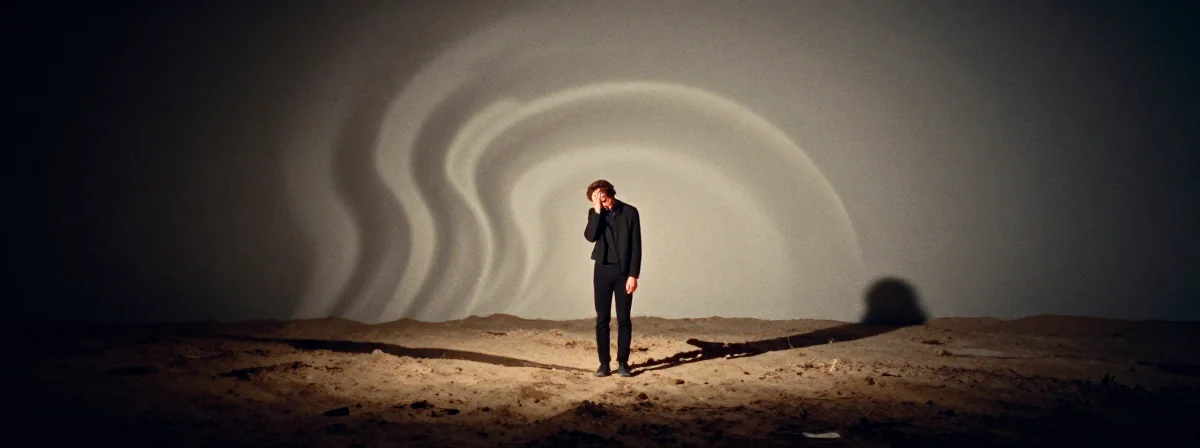
Something doesn’t add up. The line between memory and hallucination blurs when you least expect it. What if the mind’s coping mechanisms aren’t just comforting—they’re rewriting reality itself?
It all starts with the twitching. You mentioned how the body can make involuntary muscle movements even after death. That’s when the first layer peeled back—our brains aren’t passive recorders. They’re active editors, filling gaps with whatever makes sense in the moment. And that’s when it hit me: the grandfather resemblance wasn’t a coincidence. It was a desperate search for familiarity in chaos.
And wait, it gets even stranger. The inability to cry—the mind playing tricks after a huge loss. These aren’t random occurrences. They’re the brain’s emergency protocols kicking in, trying to process unbearable pain by creating new narratives. Once you see this pattern, you can’t unsee it: grief doesn’t just hurt, it reshapes our perception of what’s real.
And suddenly, it all makes sense. The man who looked like your grandfather wasn’t a ghost or a trick of light. He was a psychological anchor, a temporary bridge across an impossible void. The twitching wasn’t eerie—it was the body’s final communication. The lack of tears wasn’t numbness; it was the mind protecting itself from drowning in sorrow. The pieces were there all along: grief doesn’t just change how we feel—it changes what we see, what we remember, what we believe is real.
What this means is that our most profound losses don’t just leave us broken. They transform us into architects of our own reality. Every strange vision, every phantom sensation, every memory that won’t stay still—they’re not failures of perception. They’re the mind’s brilliant, terrifying attempts to make meaning from meaninglessness.
The next time you feel reality bending around you, don’t fight it. Look closer. What you’re experiencing might be more honest than anything you’ve ever known.