
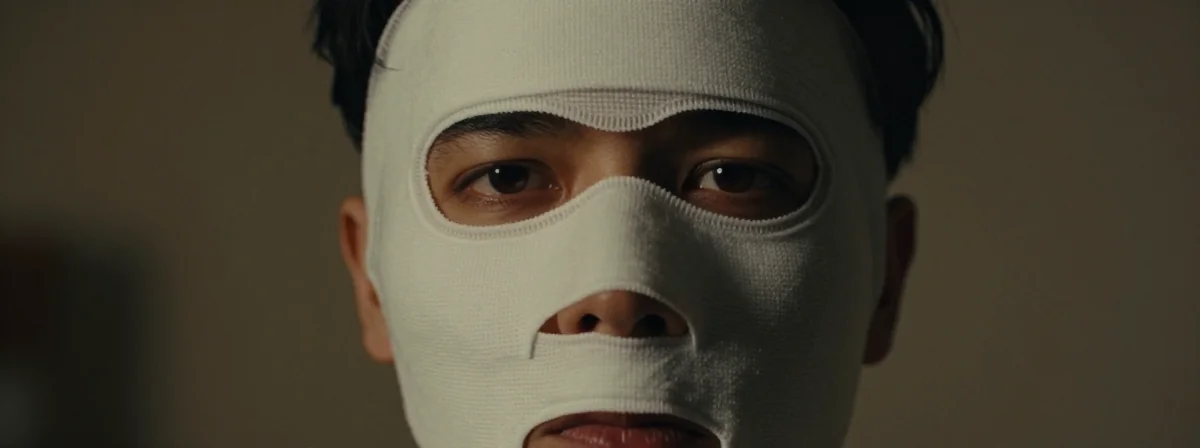
Something doesn’t add up. A woman lies in a hospital, her identity shrouded in silence, while the world moves on—unaware, uncaring. Something is being hidden, not by malice, but by the very systems meant to protect us. It starts with the question no one dared to ask: What happens when a person becomes unidentifiable?
It all starts with the sheer impossibility of it. I’ve spent years studying cases where identity dissolves—whether through trauma, memory loss, or deliberate concealment. And this one… this one feels different. The first thing that doesn’t add up is the lack of records. Not in Namus, not anywhere. How does someone simply vanish from the system? It’s not supposed to happen. Not here. Not now.
And that’s when it hit me: the hospital’s quiet desperation. They need to know who she is. Not just for her sake, but for theirs. The coughs, the sideways glances—everyone knows. Identifying her means payment, means closing a file. But what if she can’t be identified? What if the system itself is the problem?
But wait, it gets even stranger. The suggestion of a suicide attempt lingers like a ghost. Was it an act of desperation born from something unspeakable? Or is there something more sinister at play? I’ve seen cases where trauma erases identity, where the mind protects itself by locking away the self. Could that be what’s happening here? Could she be hiding not just from the world, but from herself?
Once you see this pattern, you can’t unsee it. The genetic genealogists are right—there are ways to solve this. But why hasn’t anyone acted? Why is this case slipping through the cracks? The pieces were there all along: the missing records, the systemic oversight, the human cost of indifference. Now you’re starting to see the real picture: this isn’t just about one woman. It’s about how easily we let people disappear when it’s convenient.
And suddenly, it all makes sense. The silence isn’t accidental. It’s a symptom of a system that prioritizes convenience over care. The missing records aren’t just gaps—they’re deliberate omissions. The hospital’s quiet desperation isn’t just about money—it’s about accountability. The bigger picture isn’t just about this one woman; it’s about all the women who slip through the cracks when no one is looking.
What it means is this: identity isn’t just a name or a face. It’s a right. It’s a fight. And until we demand that every person, every case, every mystery gets the attention it deserves, we’re all complicit in the silence. The next time you hear about someone unidentified, don’t just wonder. Act. Because the truth is, she’s not just unidentified—she’s unimportant until someone decides she matters.
Open your eyes. The next mystery isn’t just waiting to be solved—it’s waiting for you. The system relies on indifference, on apathy, on the assumption that some cases are too hard, too messy, too inconvenient. But you know better. You see the patterns. You feel the urgency. Now it’s time to act. Because the truth doesn’t just reveal itself—it demands to be uncovered. And it starts with you.