Something doesn’t add up. The stories we tell about the creatures that walk between worlds are like ripples on water—each telling changes the shape of what lies beneath. Something is being hidden. Not deliberately, but like a stone sinking slowly into mud, lost to time and perspective.
It all starts with the name itself. “Skinwalker”—a term so loaded with meaning, so wrapped in taboo, that even saying it feels like stepping onto thin ice. Here’s what caught my attention: the Navajo people, the Diné, speak of these beings not by their English name but through careful substitutions—“wolfman,” “were-animal.” Why? Because the name itself carries power. It’s not just a label; it’s a key that might unlock something you wish remained locked away.
And that’s when it hit me: the distance matters. Someone in South Carolina asking about skinwalkers is like asking about mountain snow in the desert. The Navajo Nation lies in the Four Corners region—thousands of miles from those Carolina woods. Yet the feeling remains. The unease. The shadow that moves when you’re sure you’re alone.
But wait, it gets even stranger. The creatures described in those Southern forests—tall, pale, moving with unnatural speed—sound like something else entirely. Something that belongs to the woods where they’re found, not transplanted from distant lands. Once you see this pattern, you can’t unsee it: the human tendency to fit new fears into old boxes.
And suddenly, it all makes sense. The skinwalker isn’t just a shapeshifter—it’s a witch who walks in others’ skin. A human who has crossed a line so deep it changes what they are. The Wendigo of Northern folklore shares this territory: once human, now something else. The rake of modern tales carries the same echo. These aren’t just stories; they’re warnings about what happens when we forget our place in the natural order.
The pieces were there all along: the Navajo understanding that these beings are outsiders to their community, the Carolina witnesses describing something indigenous to their own land, the universal thread of humans who break sacred boundaries. Now you’re starting to see the real picture: these creatures are mirrors. They reflect our deepest fears about identity, transformation, and the thin veil between human and other.
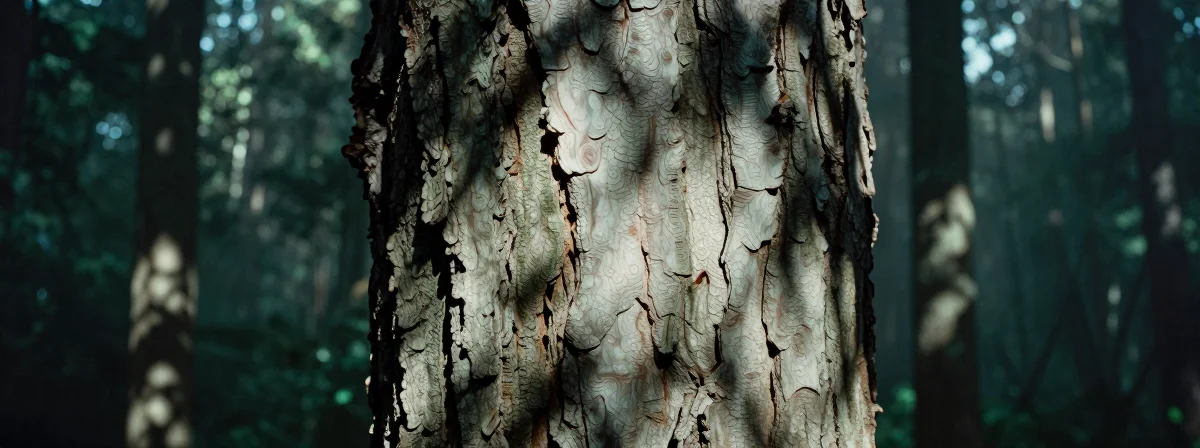
What it means is this: the forest holds its own secrets. The whispers in the trees aren’t always from what we think we know. They’re from what we’ve forgotten to listen for. The boundary between human and animal, between known and unknown, is thinner than we imagine.
The path ahead is simple: pay attention. Notice the patterns in the stories. Listen to the land itself. The mystery isn’t something to be solved—it’s something to be walked alongside. Each step reveals not answers, but new questions. And in that space between knowing and not knowing, we find the truest wisdom.