
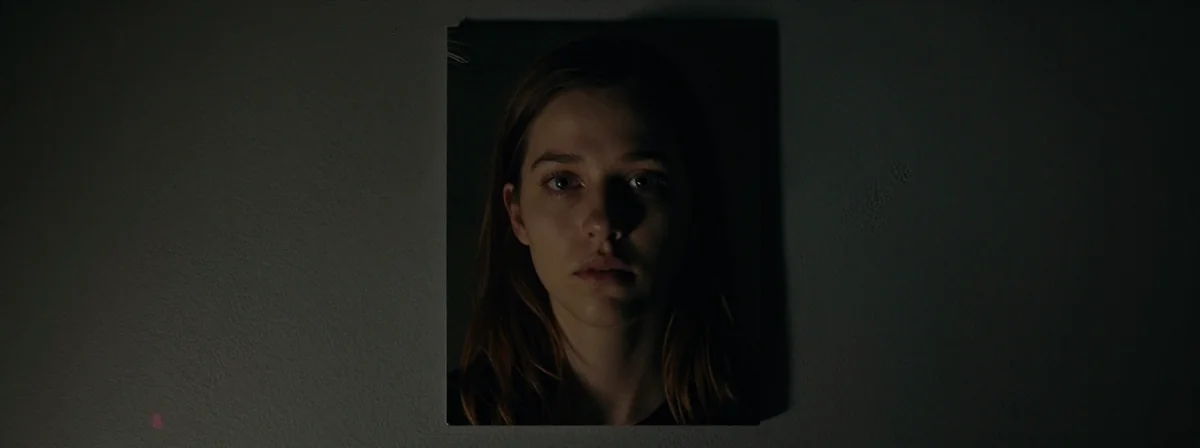
Every night for 22 days, the same figure appears—staring back at you from the darkness. You’ve dug deep into this person’s life, a renaissance villain whose legacy still carries weight. But what if the horror isn’t supernatural? What if it’s your brain, building a narrative from your own research?
The pattern here isn’t ghosts—it’s psychology. Your mind is stuck in a feedback loop, projecting the heavy psychological baggage of your ancestor’s life onto your sleep. The portrait isn’t a curse; it’s a forgotten image your subconscious latched onto months ago. Combine that with the stress of living on his fief, and your brain is essentially writing a horror movie based on your own work.
What the data shows: This isn’t paranormal. It’s cryptomnesia—subconscious recall of forgotten information—meeting sleep paralysis. The anomaly suggests your mind is trying to process the trauma of this ancestor’s life, not communicate with it.
Why Does Your Brain Keep Repeating This Nightmare?
Imagine your subconscious as a debugger. It’s stuck in an infinite loop, trying to resolve a conflict: the historical weight of your ancestor’s actions versus your modern existence. The portrait is the “kicker”—a visual anchor your mind keeps returning to, even if you don’t consciously remember seeing it.
This isn’t unique. Sleep paralysis often fills gaps with familiar data. If you’ve researched a figure for hours, your brain will use that material to construct the experience. It’s like a glitch in your dream rendering—your mind can’t distinguish between what you’ve learned and what’s real.
The Ancestor Isn’t Cursed—You’re Not Either
The idea that you’re “chosen” or “haunted” is a misinterpretation. Your brain isn’t receiving messages; it’s generating them. The “requests” or “appearances” are your subconscious trying to make sense of the information overload.
What if you’ve seen a headstone, a document, or even a museum exhibit months ago? Your mind stored it. Now, living on his fief amplifies the connection. It’s like a software bug—your brain keeps referencing the same memory address because it hasn’t been cleared.
Breaking the Loop: Practical Steps to Take Control
- Change your environment: Move your sleeping area. Even rearranging furniture can disrupt the subconscious association.
- Document your research: Log everything you’ve learned. Seeing it on paper can help your mind detach from it.
- Establish a ritual: Before bed, say, “This is a dream. I am in control.” It trains your subconscious to recognize the state.
- Seek professional help: A therapist specializing in sleep disorders can help reframe the narrative.
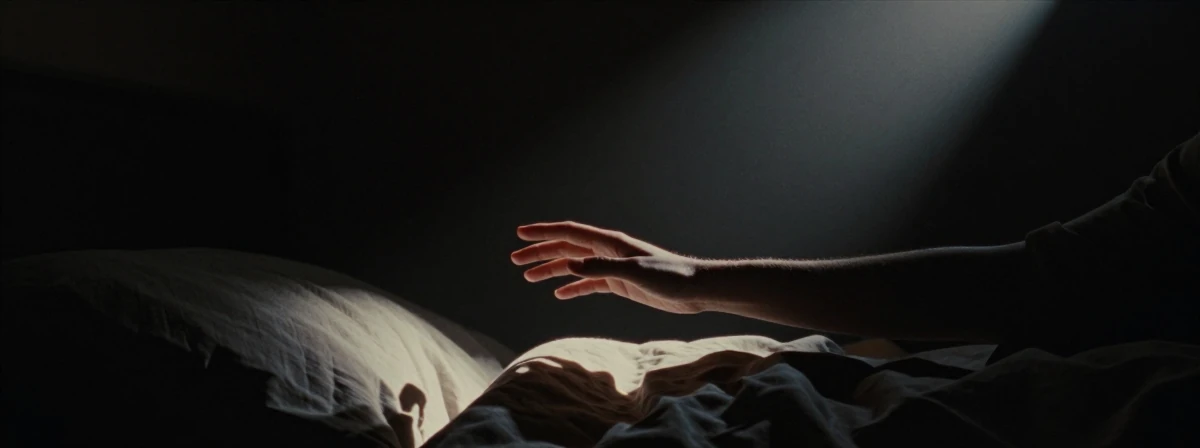
What If It’s More Than Just Sleep Paralysis?
Some suggest digging up bones or performing rituals. But after 500 years, there’s no corpse—just bones. And even then, the soul-memory connection is a myth. Your ancestor isn’t suffering; your mind is.
The real solution lies in understanding: You don’t owe him anything. He belongs to history, not your bedroom. Build a mental boundary: “I honor his existence, but I won’t carry his trauma.”
The Final Frame: Rewriting the Narrative
The breakthrough comes when you realize: This isn’t about him. It’s about you. Your brain is trying to process the weight of history, but it’s your peace that matters.
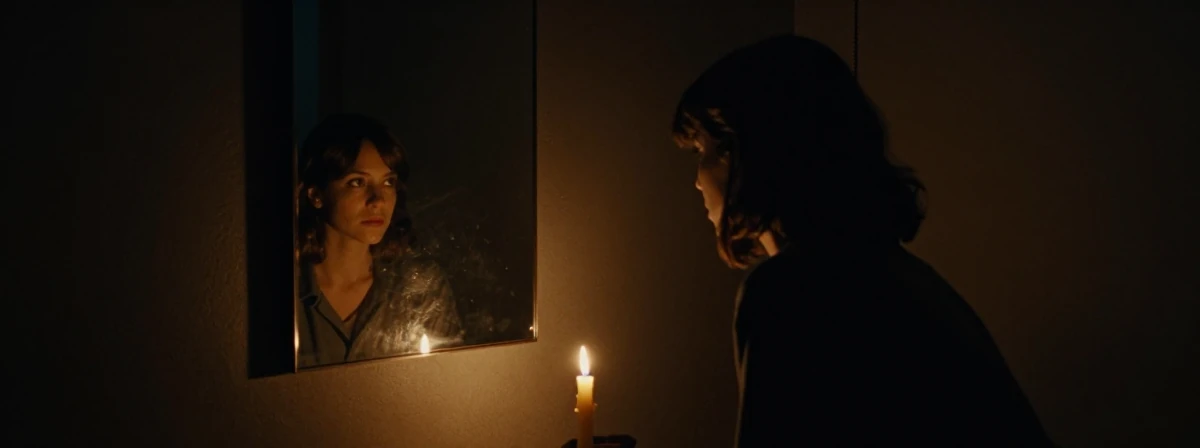
Light a candle, say a prayer if that resonates, and tell yourself: “I am not defined by his actions.” The portrait will fade when you stop feeding the loop. Sleep paralysis will end when you take back control.
The truth is simpler than you think. You’re not haunted—you’re healing. And that’s the only ghost worth chasing.