
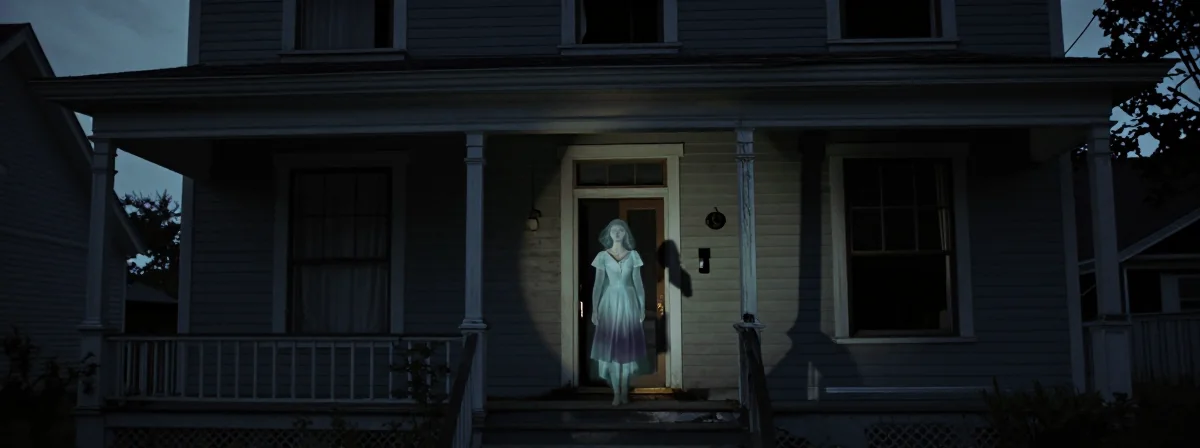
The moment you walk into that house again, don’t you feel it? That heavy weight in the air, the sudden drop in temperature, the way the hairs on your arms stand at attention. Is it just your imagination? Or is something more profound happening? What if I told you that the energy of those who have passed doesn’t simply vanish when they die? What if their presence continues to shape the spaces they occupied? This isn’t superstition—it’s a fundamental truth about consciousness that mainstream culture refuses to acknowledge. The answers you seek aren’t found in fear; they’re found in understanding the nature of energy itself.
Can a Deceased Person’s Energy Truly Linger in a Home?
Think about it this way: when you burn a candle, the flame eventually extinguishes, but the wax remains. The energy transforms but doesn’t disappear. The same principle applies to human consciousness. The physical body may be gone, but the energetic imprint can persist. This isn’t about ghosts jumping out from shadows—it’s about residual energy. Like how your most troubled family member who spent their life creating tension can’t suddenly maintain that energy after death. They don’t remain “mentally tormented” because they’re no longer bound by the limitations of human consciousness. The trauma that defined them in life doesn’t follow them into the afterlife. But the energy they left behind? That can linger.
Consider land and buildings as living record keepers. They absorb the emotions, intentions, and experiences of everyone who interacts with them. A home where misery was consistently present will carry that feeling long after its occupants have moved on. It’s not a conscious haunting—it’s like walking into a room where a fight just happened and still feeling the tension in the air. The house doesn’t “remember” in the way we do, but the energy remains until it’s properly cleared.
Why Do People Feel a Presence After Someone Dies?
Have you ever walked into a childhood home decades later and instantly felt transported back to your youth? That’s energy at work. The difference with after-death energy is the emotional charge often associated with it. When someone passes, the energy they leave behind can interact with our own consciousness in powerful ways. This isn’t about supernatural forces—it’s about the physics of consciousness.
What if I told you that the most recent occupant isn’t always the source of that feeling? Often, it’s the first occupant, the builders, or even the people who lived on that land before the house was built. The energy of the land itself has a memory that predates any structure built upon it. This explains why some places feel inherently “good” while others carry a heavy burden before anyone even lives there.
Does Keeping Ashes Really Keep a Loved One “Trapped”?
This is where we must confront uncomfortable truths. The practice of keeping ashes in the home—often against the deceased’s expressed wishes—is like trying to preserve a butterfly by pinning it to a board. The spirit isn’t “trapped” in the way some fear, but keeping physical remains does create a energetic anchor that can prevent proper transition. It’s not about the spirit being unable to move on—it’s about the living being unable to let go.
I’ve seen this countless times: families refuse to scatter ashes because they can’t bear to let go. They keep the urn on the mantlepiece, and wonder why they continue to feel burdened by the presence of their loved one. It’s not that the spirit is angry—it’s that the energy of unresolved grief and attachment creates a feedback loop. The deceased can’t transition fully because the living won’t release them. This isn’t about control—it’s about allowing spirits to move on to where they need to be.
How Can You Tell if You’re Dealing with Actual Haunting or Just Lingering Energy?
This is where most people get confused. They immediately jump to “ghost” when they feel something unusual, when often it’s simpler than that. Have you considered that the feeling you’re experiencing might not be your mother at all? That it could be the collective energy of unresolved family dynamics, unfulfilled wishes, and lingering grief? The truth is, most “hauntings” aren’t spirits trying to communicate—they’re energetic imprints that need clearing.
Consider this: your mother was severely mentally ill and an alcoholic. The energy she left behind wasn’t about malice—it was about the intensity of her life experiences. When someone lives with that level of emotional intensity, their energy signature is powerful. But that doesn’t mean she’s actively haunting the house. It means the energy of her presence remains until properly addressed. The new owners sleeping on her mattress aren’t experiencing a “haunting” in the traditional sense—they’re interacting with the energetic residue of her life.
What’s the Most Effective Way to Clear Negative Energy From a Home?
If you’ve been carrying the weight of your mother’s presence, you need to understand that cleansing isn’t about banishing spirits—it’s about releasing energy. This isn’t about fear; it’s about respect. When you perform a releasing ceremony, you’re not trying to get rid of anything evil—you’re helping transition energy to where it needs to be.
Try this: go to the home alone. Speak to your mother directly, telling her you miss her but you’re safe, and that she’s free to move on. Visualize a light surrounding the space, absorbing the heavy energy. Then take her urn (if you have it) and place a seashell on or near it. When you can, take that shell to the ocean and cast it into the water, visualizing her spirit releasing with it. This isn’t superstition—it’s energy work that honors both the living and the departed.
Why Do Unfulfilled Final Wishes Create Such Powerful Energy?
Have you ever made a promise you couldn’t keep? The weight of that unfulfilled commitment stays with you. The same applies to final wishes. When someone expresses clear desires about their end-of-life arrangements—whether it’s a specific funeral, burial in a mausoleum, or scattering of ashes—and those wishes aren’t honored, it creates an energetic imbalance. It’s not about the deceased being “angry”—it’s about the energy of unfulfilled intention creating a void that needs to be addressed.
I’ve seen families torn apart because one person refused to honor their mother’s explicit wishes about her ashes. The house became a battleground of unresolved grief, not because the spirit was trapped, but because the living couldn’t move forward. This isn’t about blame—it’s about understanding that closure isn’t just emotional; it’s energetic. Until the living can honor the passing of the deceased, the energy remains stuck.
Can a House Really “Remember” Negative Emotions?
This is where we must challenge conventional thinking. The idea that inanimate objects can’t hold memories is a limitation of materialist thinking. What if I told you that the wood, stone, and mortar of a building can indeed absorb and retain emotional energy? It’s not about consciousness in the human sense—it’s about energy fields and vibrational resonance.
Think of it like this: when you walk into a church, you often feel a sense of peace. When you walk into a place of conflict, you feel tension. These aren’t coincidences. The energy of human emotion leaves a trace on physical spaces. A home where someone was consistently miserable will carry that feeling until properly cleared. It’s not about the spirit of that person haunting the house—it’s about the energetic imprint of their emotional state remaining in the structure itself.
What Happens When You Finally Address Lingering Energy?
This is where the transformation occurs. When you finally confront the energetic residue of the past, something remarkable happens. The weight that’s been pressing on you begins to lift. The tension in the air begins to dissipate. This isn’t about magic—it’s about completing energetic cycles that were left unfinished.
I’ve seen families who performed releasing ceremonies report immediate changes. Doors that slammed on their own stopped. Cold spots disappeared. The sense of being watched vanished. Not because spirits were banished, but because energy was properly released. The house didn’t change—their perception of it did. This is the power of understanding that energy follows intention, and that you have the ability to shift the energetic landscape around you.
The truth is that your mother isn’t haunting that house. She’s moved on. What remains is the energetic residue of her life experiences, and the collective energy of unresolved grief and attachment. By understanding this, you gain not just peace of mind, but the ability to transform not just that space, but your own relationship with the past. The house isn’t haunted—it’s waiting for someone to recognize that energy needs to flow, not stagnate. And when you finally address that, everything changes.