
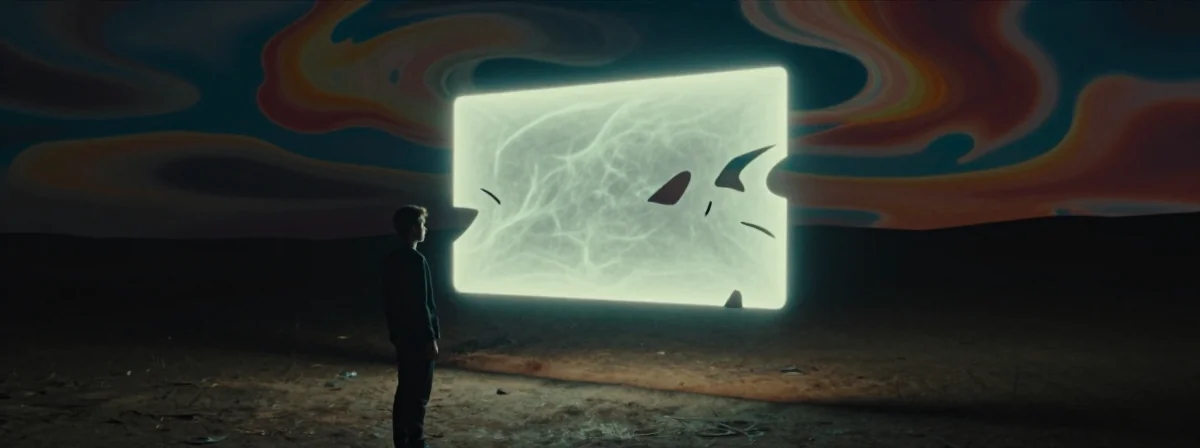
Something doesn’t add up. We’re constantly told that something big is about to happen—but when we look away from the screen, we see that most of the time, things in our immediate surroundings are pretty normal. Until they aren’t. It all starts with the feeling that we’re missing something—always one notification behind, one headline away from understanding the world. But what if the only thing we’re missing is the world itself?
It all starts with the “Rectangle of Nonsense.” That’s what one observer called it: the phone, the screen, the endless scroll that demands our attention. It’s not just a device anymore—it’s a crutch, a pacifier, a soma for the modern age. The first clue is how quickly our attention fractures. We go from deep thought to dopamine hit in milliseconds, and before we know it, hours have vanished into the void of curated content. The data shows that this isn’t just a habit—it’s a system designed to keep us looking away.
And that’s when it hit me: the flood. The constant barrage of “something big is about to happen” memes, the “nothing ever happens” jokes during crises, the narratives that tell us politics is distasteful, that real change is impossible. These aren’t just random posts—they’re part of the same architecture. The phones, the apps, the algorithms—they’re all flooding the zone with noise until the signal disappears. But wait, it gets even stranger: the more we look at the screen, the less we see what’s happening in front of us. Europeans still have social lives, walkable cities, protests in the streets—because their gaze isn’t glued to a rectangle. Once you see this pattern, you can’t unsee it: the screen is designed to keep us from seeing.
And suddenly, it all makes sense. The phones aren’t just tools—they’re control systems. They train us to watch, to consume, to remain passive. They keep us atomized, distracted, and disconnected from the real world. The pieces were there all along: the addiction, the fear of missing out, the gradual erosion of attention and agency. Now you’re starting to see the real picture: the screen isn’t just a window—it’s a wall. It’s the gatekeeper of the matrix, closing in around us while we stare at the glowing rectangle, oblivious to the world outside.
What it means is that the battle isn’t just about politics or culture—it’s about perception itself. The phones, the algorithms, the endless scroll—they’re all part of a system that keeps us from seeing the truth, from acting on it, from connecting with each other in meaningful ways. It’s not just about throwing phones in the ocean; it’s about recognizing that the ocean itself is polluted by the very things we can’t look away from.
Unanswered Questions: What happens when we finally look up? Will we recognize the world we’ve been staring through? Or will the screen have won by then? The truth is, the only way to break the system is to break our gaze. It starts with one question: What are you really looking at?