Ever notice how the smallest details often hold the biggest secrets? Like when you see a politician wearing shoes two sizes too big and wonder—what are they hiding? It’s not just about comfort or style. There’s something deeper here, something no one’s willing to admit. The shoe size scandal isn’t just a random quirk; it’s a coded message, a clue to what’s really going on behind the scenes. And if you’re not paying attention, you’re missing the whole picture.
What happens when a leader buys shoes for his cabinet members and gets the sizes wrong on purpose? Is it an accident, or is it a deliberate move to send a message? Marco Rubio wearing shoes that are clearly too big isn’t just a fashion fail—it’s a sign of control, of someone being forced into a role they don’t fit. The administration’s shoe game isn’t just about footwear; it’s about power dynamics, loyalty tests, and the silent ways they manipulate those around them. And the truth is, most of us never see it coming.
The numbers don’t lie. A size 14 shoe for someone who wears a 9 isn’t just uncomfortable—it’s symbolic. It’s a metaphor for being stretched thin, for being forced into a position that doesn’t suit you. But why would Trump do this? Why would he故意 give Rubio shoes that scream “you’re not in control”? The answer lies in the patterns, the subtle ways they break down their own people from the inside out. And if you think this is just a one-off incident, you’re in for a shock.
Why Would a Leader Give the Wrong Shoe Size? The Hidden Power Play
Think about it: shoes are personal. They’re intimate. They’re something you choose for yourself. So when someone else dictates what you wear, especially something as fundamental as footwear, it’s a form of control. Trump buying shoes for his cabinet wasn’t just a generous gesture—it was a way to say, “I decide what you wear, what you do, even down to the size of your shoes.” It’s a psychological game, and Rubio fell for it hook, line, and sinker.
But here’s the twist: Rubio didn’t just wear the shoes once. He wore them multiple times, in public, like nothing was wrong. Was he too afraid to admit the mistake? Or was he playing along because he knew the optics would work in his favor? Either way, it’s a disturbing display of how far some will go to maintain an image, even if it means looking like a fool. The shoe size scandal isn’t just about Rubio; it’s about the entire administration’s willingness to use any means necessary to keep their grip on power.
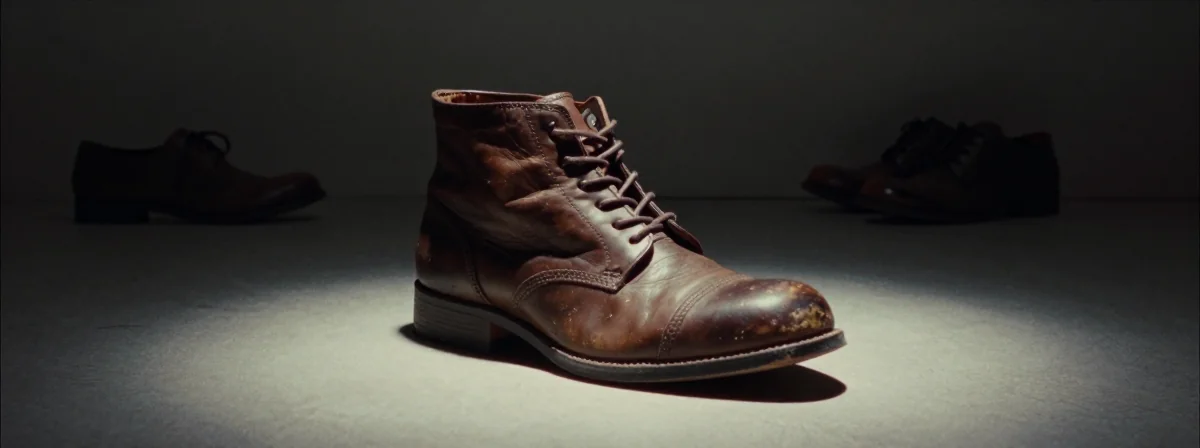
And let’s not forget the symbolism. Clown shoes, as some have pointed out, are metaphorically perfect for this administration. They’re oversized, awkward, and make you look ridiculous. But they also serve a purpose: they distract you from the real issues. When everyone’s focused on why Rubio’s shoes are too big, no one’s asking the hard questions. It’s a classic misdirection tactic, and it’s working beautifully.
The Pattern Isn’t Just About Shoes—It’s About Control
This isn’t the first time political figures have used subtle tactics to assert dominance. From clothing choices to public appearances, every detail is carefully calculated. The shoe size scandal is just one piece of a larger puzzle. What else are they hiding? What other clues are we missing? The truth is, the more you look, the more you see. And the more you see, the more you realize how deep this goes.
Take Rubio’s sudden shift from criticizing Trump to defending him. Remember when he called Trump a “scamming piece of shit” in 2015? Fast forward to now, and he’s practically licking his boots. What changed? Did he have a sudden epiphany? Or was it a calculated move to stay relevant? The shoe size controversy might be a small part of a much larger game of loyalty and survival. And in this administration, survival often means playing along, even if it means looking like a fool in shoes that are two sizes too big.
But here’s the real question: why are we even talking about shoes? Because it’s a symptom of a bigger problem. It’s a sign that something’s off, that the rules have changed, and that no one’s safe from the manipulation. Whether you’re a politician, a voter, or just someone watching from the sidelines, the shoe size scandal is a wake-up call. It’s a reminder that nothing is as it seems, and that the people in power will stop at nothing to maintain their control.
The Save America Act: Another Shoe in the Game?
Now, some are saying the Save America Act is the next move in this twisted game. What does voting reform have to do with shoe sizes? Everything, if you look close enough. The act, they claim, will put up massive barriers to voting for women—a major Democratic demographic. Is this just a coincidence, or is it another way to control the narrative? The shoe size scandal showed us that every detail matters. Every move is calculated. And if you think the Save America Act is just about voting, you’re missing the bigger picture.
What happens when you combine political manipulation with subtle psychological tactics? You get a perfect storm of control. The shoe size controversy isn’t just about Rubio; it’s about the entire system, the way it works, and the ways it’s broken. And if you’re not paying attention, you could end up wearing shoes that don’t fit—both literally and metaphorically.
The Final Shoe Drop: What Are They Really Hiding?
So, what’s the real story behind the shoe size scandal? Is it just a random blunder, or is it a deliberate attempt to control and manipulate? The answer, it seems, lies in the patterns. The more you look, the more you see. The more you see, the more you realize that nothing is as it seems. The shoe size controversy isn’t just about shoes; it’s about power, control, and the silent ways they break you down. And if you think this is just a one-off incident, you’re in for a rude awakening.
The truth is, the shoe size scandal is just the tip of the iceberg. It’s a clue, a hint, a warning sign. And if you ignore it, you do so at your own peril. Because in the world of politics, every detail matters. Every move is calculated. And every shoe size could be a clue to what’s really going on. The question is: are you paying attention? Or are you too busy looking at the wrong things?