
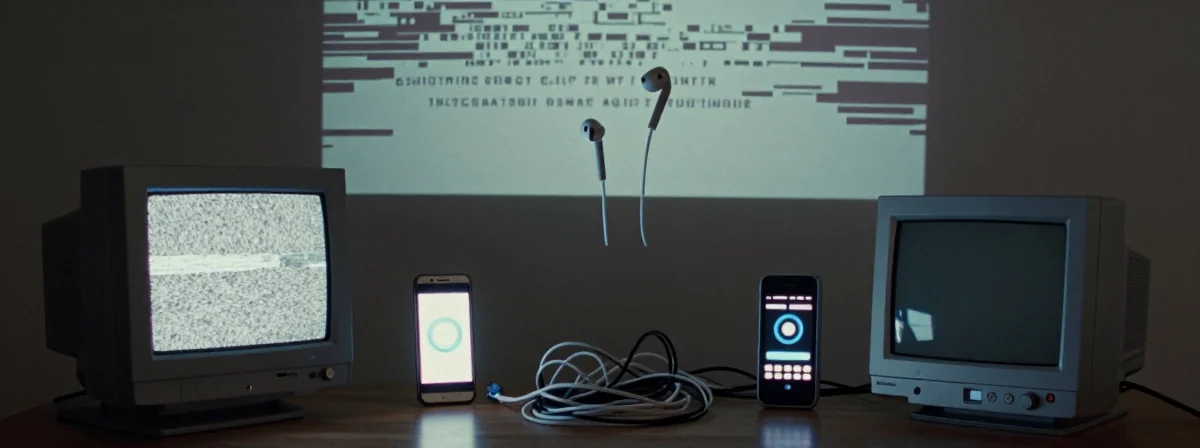
Ever since I first programmed a Commodore 64 back in ‘84, I’ve seen technology evolve in ways that would make those early pioneers’ jaws drop. But here’s something that still baffles me: how many of us are still carrying around digital ghosts from technology’s past. I’ve been doing this since before the internet was a household word, and I can tell you that these lingering digital specters affect everyone, even those who think they’re living in the present. Back when we had to save files to floppy disks and hope they didn’t get corrupted, we developed habits that still haunt us today. Let me share what I’ve learned about identifying these digital ghosts before they completely derail your modern tech experience.
Have You Fallen Into The Same File-Saving Pattern For 30 Years?
Back in the 80s, we had limited storage space. I remember meticulously organizing files on 5.25-inch floppies, giving each one a descriptive name because we couldn’t afford to waste characters. This habit followed me through the 3.5-inch floppy era, the Zip drive days, and even into the cloud storage revolution. I still catch myself creating folders with dates like “2023_Backup” even though my cloud provider automatically handles versioning. The digital ghost here is our outdated file management system that wastes time and creates unnecessary complexity. I’ve seen colleagues with terabytes of storage still using the same hierarchical folder structures they developed when they had megabytes to work with. It’s like driving a modern car but still using the same shifting technique from your first clunker.
Why Your Password Practices Are Still Living In The 90s
Remember when a good password was “Password123”? Yeah, me neither, but I’ve seen plenty of people who still operate under that misconception. The digital ghost of password insecurity follows us everywhere. I recall the early days of BBS systems where the most sophisticated security was a simple password. Today, we have biometrics, two-factor authentication, and password managers that can generate and store complex keys, yet I still get calls from people who write their passwords on sticky notes. This isn’t just about convenience—it’s a digital ghost that puts your entire online presence at risk. I’ve seen accounts compromised because someone reused a password from 1998 that they still use today. It’s like leaving your front door unlocked because you never had to worry about burglars when you grew up.
The Email Habits That Still Haunt Your Productivity
I remember the thrill of getting my first email account. It felt like receiving instant mail from the future. But that excitement turned into a digital ghost when we started treating email like a to-do list. Back when we had to check email manually, we developed the habit of responding to every message immediately. Now that we’re bombarded with notifications, this reactive approach is killing productivity. I’ve watched executives spend hours each day just managing their inboxes, perpetuating a system designed for a different era. The digital ghost here is the expectation that every email requires immediate attention. In my consulting work, I’ve helped companies implement email-free days and batch processing that frees up hours each week—hours that were being consumed by this lingering digital habit.
Are You Still Using Technology That’s Been Dead For Decades?
This one makes me nostalgic and frustrated at the same time. I’ve seen people clinging to technologies that died long ago. Remember when we had to dial-up to get online? The digital ghost of that era lives on in our reluctance to embrace new technologies. I recall one client who refused to switch from their ancient accounting software because “it still works.” What they didn’t realize was that they were spending twice as much time on manual workarounds as they would have if they upgraded. This isn’t just about being resistant to change—it’s about letting digital ghosts dictate our present. I’ve seen businesses lose competitive advantage because they were too comfortable with what they knew, even when it was clearly outdated. It’s like driving a horse and buggy because you know how to take care of the horse.
Why Your Digital Footprint Still Contains Ghosts From Your Past
The most insidious digital ghosts are the ones we don’t even know about. Back when I first went online, there was little concept of a digital footprint. We posted whatever we wanted to forums and BBS systems, assuming it would disappear when we logged off. Today, that content still exists somewhere, accessible through archives and backups. I’ve helped people clean up digital footprints that contained embarrassing posts from their youth—posts they made when they didn’t understand that the internet never forgets. The digital ghost here is our outdated understanding of digital permanence. I’ve seen job candidates fail to land positions because of content they posted decades ago that still appears in search results. It’s like having old party photos resurface at your high school reunion, only these photos never fade with time.
The Only Way To Exorcise Digital Ghosts From Your Life
Exorcising these digital ghosts isn’t about buying new technology—it’s about changing our relationship with technology itself. I’ve been through multiple technological revolutions, and what I’ve learned is that the tools change, but our habits often don’t. The first step is awareness. Identify which digital ghosts are haunting you. Are you still saving files the old way? Do you have password practices from the 90s? Are you clinging to technologies that died long ago? Once you recognize these patterns, you can start to change them. I’ve seen people transform their digital lives simply by acknowledging these ghosts and making conscious decisions to move forward. It’s not about throwing out everything you own—it’s about updating your approach to match the technology you have today. The most successful tech users I know aren’t the ones with the newest gadgets—they’re the ones who have successfully exorcised their digital ghosts and embraced the present.