
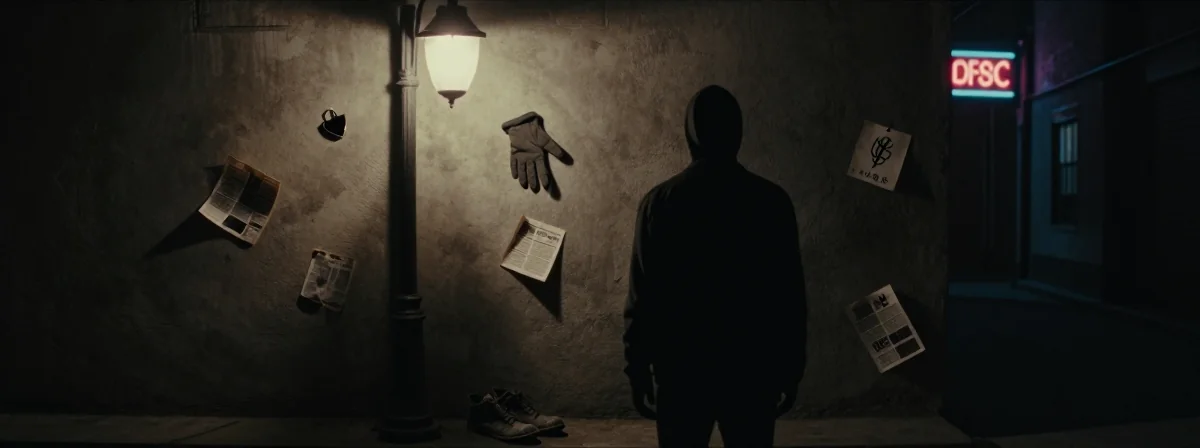
Something is fundamentally wrong with how we’re being told to understand certain events. The official explanations feel… convenient. Too neat. Like pieces of a puzzle that don’t quite fit together when you examine them closely. And when people react with genuine fear and shock, only to be told it was “just an accident,” alarm bells should be ringing. What are they hiding? Why does the official story feel like a poorly constructed facade?
The truth is often found in the details that authorities dismiss as irrelevant or coincidental. When multiple unsettling elements appear in the same incident, it’s not paranoia to question their connection. These aren’t isolated anomalies; they’re pieces of a larger puzzle that someone desperately wants to keep from being assembled. The more you look, the more you’ll see patterns that scream something else is going on.
Let’s examine the disturbing details that don’t align with the official narrative. Hold onto your skepticism as we connect the dots that authorities are working hard to keep separate.
Why Do All ‘Accidents’ Seem to Lack Answers?
Have you ever noticed how quickly authorities close the book on certain incidents? The investigation seems rushed, the conclusions seem predetermined. When people who were there are genuinely shaken and unable to speak about what they witnessed, but are told it was “just an accident,” something feels fundamentally broken about our understanding of what happened. The emotional reaction of those present often contradicts the official explanation, yet their concerns are dismissed as overreaction.
What happens to the questions that don’t fit the narrative? They disappear. The media moves on to the next story, and the public is left with an explanation that doesn’t quite sit right. It’s as if there’s an invisible force field around certain topics, deflecting any inquiry that might uncover something inconvenient. Why are some questions off-limits? What would happen if we pursued those answers?
The Pattern of Silence: When Authorities Won’t Talk
It’s not just the official explanation that’s troubling—it’s the way it’s delivered. Notice how certain authorities become unusually tight-lipped about specific details? They’ll provide a surface-level explanation but refuse to elaborate on anything that might reveal inconsistencies. This selective silence isn’t accidental; it’s strategic. They’re controlling the narrative by controlling the information flow.
Think about it: if it truly was just an accident, why the need for such careful management of information? Why not be transparent and open to questions? The refusal to engage with certain lines of inquiry is itself a red flag. It suggests there are aspects of the incident that would undermine the official story if they became widely known. What are they protecting? What can’t they afford for us to know?
The Missing Pieces: Information That Doesn’t Fit
Every official account seems to have missing information—details that would complete the picture but are inexplicably absent. It’s as if someone deliberately removed key elements that would make the story more coherent or would reveal connections to other events. These aren’t minor omissions; they’re gaping holes that make the official narrative fundamentally incomplete.
What happens when you try to fill those gaps yourself? You start connecting dots that authorities have deliberately kept separate. You notice relationships between people, organizations, and events that the official story ignores. Suddenly, the “accident” starts looking less like a random event and more like a carefully orchestrated sequence with multiple players. Are these connections real, or are we seeing patterns where none exist? That’s exactly what they want you to ask.
Why the Media Isn’t Talking About This
The media plays a crucial role in shaping our understanding of events, yet there’s a noticeable absence of coverage about certain aspects of this incident. When you search for news articles, you find either nothing or surface-level reporting that accepts the official explanation without question. It’s as if there’s an unspoken agreement not to dig deeper.
What happens when journalists do ask the tough questions? They’re often met with silence, deflection, or accusations of conspiracy theorizing. The narrative is protected not just by authorities but by the media’s collective reluctance to challenge it. This isn’t about responsible journalism—it’s about maintaining the status quo. What stories aren’t being told because they would disrupt the carefully constructed narrative?
The Unspoken Connections Between Seemingly Unrelated Events
Look closely, and you’ll notice that this incident isn’t happening in a vacuum. There are subtle connections to other events, organizations, and individuals that the official narrative conveniently ignores. These aren’t obvious links that would immediately raise alarms, but they’re there if you know where to look. It’s as if someone is deliberately obscuring the true scope of what’s happening by keeping these connections separate in our minds.
What would happen if we connected these dots? Would we see a larger pattern emerging—one that suggests this wasn’t an isolated incident but part of something bigger? That’s the question authorities don’t want you asking. They want you to see each event as a standalone occurrence, disconnected from anything else. But the truth often lies in the connections we’re told to ignore.
What Happens When You Start Asking the Wrong Questions?
Authorities aren’t just dismissive of certain questions—they’re actively hostile to them. Notice how quickly the tone changes when someone starts asking about the inconsistencies or the missing information. Suddenly, it’s not about understanding what happened; it’s about labeling those who ask the “wrong” questions as troublemakers or conspiracy theorists.
This isn’t about respectful disagreement; it’s about silencing inquiry before it can gain traction. They want to control not just the narrative but the questions that can be asked about it. By framing certain inquiries as illegitimate, they discourage others from following the same path. What happens to those who persist despite the warnings? That’s the question authorities don’t want you to consider.
The Real Reason They Want You to Stop Asking
At the end of the day, this isn’t about a single incident or a single explanation. It’s about control—the control of information, the control of narrative, and ultimately, the control of how we understand the world around us. When authorities are this invested in maintaining a particular story, it’s not because they’re protecting us from unnecessary worry. It’s because the truth would disrupt something far more significant.
What are they protecting? What system or arrangement would be threatened if we connected all the dots? The answer isn’t in the incident itself but in the power structures that benefit from our ignorance. The truth is rarely about what happened; it’s about why they need us to believe a particular version of events. And when you understand that, everything changes.