
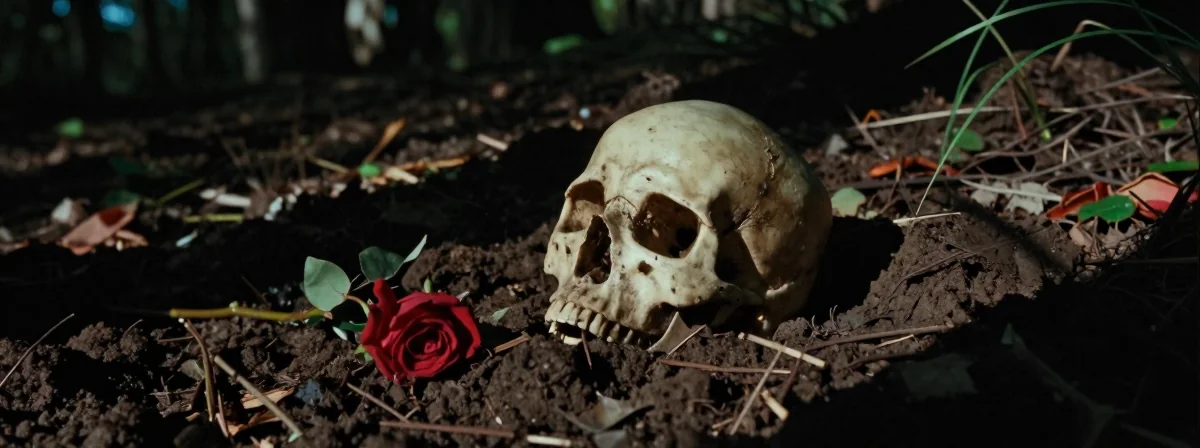
Forensic investigations often hinge on the obvious—DNA, dental records, or missing persons reports. But some cases defy these norms. This Jane Doe’s remains, found at Griffin Memorial Hospital, tell a story that’s far more disturbing than a simple misidentification. The clues are there, buried in the bones—and they suggest she was someone who slipped through the cracks of society, possibly never to be reported missing at all.
What happens when a life ends in violence, but no one knows to look for it? This case isn’t just about identifying a body; it’s about uncovering why she was forgotten. The combination of healed fractures, orbital damage, and signs of abuse points to a silent scream that went unheard. And the fact that she was found at a psychiatric hospital with a history of controversies? That adds another layer of unsettling complexity.
Forensic science can reveal astonishing details even from skeletal remains. Here’s what we know—and what it means.
Could She Have Been a Victim of Domestic Violence?
The injuries tell a story: healed rib fractures, orbital fractures, and signs of blunt force trauma. These aren’t accidental injuries. They suggest a pattern of abuse, likely at the hands of someone close. Domestic violence victims often disappear without notice—especially if they’re isolated or dependent. The fact that no one reported her missing raises red flags. Was she someone who couldn’t—or wouldn’t—leave? Or was she silenced permanently before she could seek help?
The absence of dentures is another telling detail. If she wore them in life, their absence could mean two things: either she was killed at home (when they weren’t in), or someone deliberately removed them to hinder identification. Either way, it speaks to a calculated act, not a random crime.
Why Was She at Griffin Memorial Hospital?
Griffin Memorial Hospital wasn’t just any facility—it was a self-sufficient psychiatric institution with a troubled past. Patients there were often cut off from the outside world, making them easy to disappear. Could she have been a current or former patient? The timing—found years after her death—suggests she might have been someone who vanished without a trace, possibly during a transfer or escape.
Psychiatric hospitals have been linked to missing persons cases before. Patients with developmental disabilities or mental health issues are often less likely to be reported missing, especially if they’re seen as “voluntary” patients or have strained family ties. This Jane Doe’s case fits that pattern disturbingly well.
The Mystery of Her Teeth (or Lack Thereof)
Here’s where things get truly bizarre: forensic reports suggest she was born without teeth. No, not that babies are born toothless (they develop teeth in utero, just below the gums). She never had them at all. This isn’t common, which means someone in her life must have known. So why wasn’t she reported?
Could she have had a developmental disability? The skeletal evidence points to previous pregnancies and a life lived with physical limitations. A mild disability might explain why she was isolated or dependent—making her an easy target for abuse. But it also raises questions: how could someone so distinct go unmissed?
How Do They Know She Was Right-Handed?
Forensic anthropologists can tell a lot from bones, including handedness. The bones in your dominant hand—humerus, radius, ulna—thicken over time due to repetitive stress. If one arm shows more robust muscle attachments, it’s a dead giveaway. In this case, her right side was clearly dominant. The question isn’t how they know; it’s why that detail matters. It adds to the portrait of a real person, not just a Jane Doe.
And the pregnancies? A woman’s pelvis widens with each birth, leaving permanent markers. Multiple births leave even more distinct changes. This wasn’t a young, carefree woman—she was someone who had lived a full, complicated life before her death.
Could She Be Dora Ruth Smith Smith?
A name from a missing persons case in Alabama bears striking similarities. Dora Ruth Smith Smith vanished in 1977, leaving behind dentures, identification, and clothes. Her husband claimed she left willingly, but later notes suggested she feared for her life. The geographic connection—Florence, Alabama, to Norman, Oklahoma—isn’t coincidental. The drive between the two cities is just under 9 hours.
But DNA testing has excluded her as a match. Still, the parallels are chilling. Could her family have forced her into a psychiatric institution, where things went wrong? The timeline and details align too closely to ignore.
What’s Next for This Jane Doe?
Every clue brings us closer, but the truth remains elusive. The hospital’s history, the signs of abuse, the missing dentures—each piece adds to the puzzle. Forensic advances like Othram’s DNA testing could be the key, especially given her pregnancies and unique dental history.
Until then, this Jane Doe remains a symbol of the forgotten. Her case isn’t just about solving a mystery; it’s about understanding how someone could vanish without a trace—and why it still matters decades later.
The silence around her death isn’t just unsettling; it’s a call to listen. Because somewhere, someone knows who she was. And until they speak, her story won’t be over.