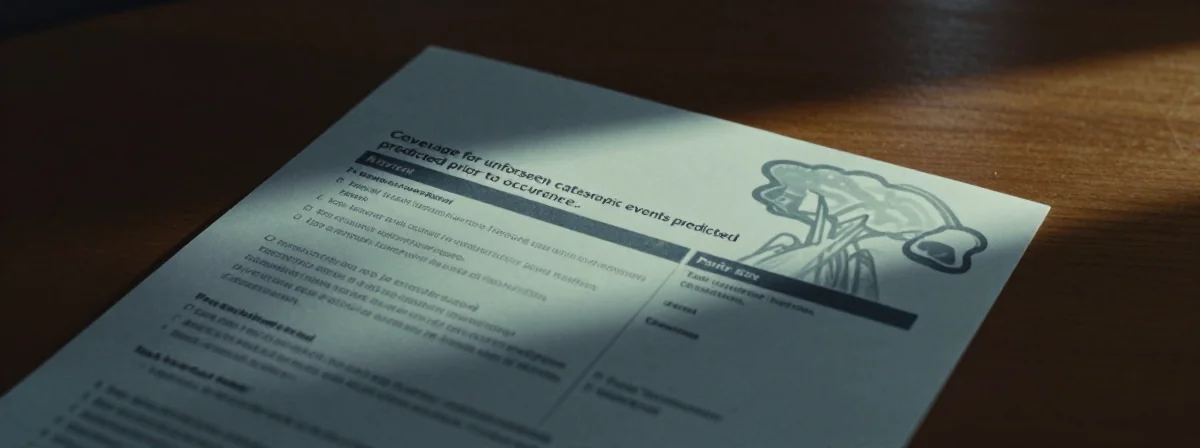
The stillness of a calm lake can suddenly be broken by a single stone’s entry. The ripples expand outward, revealing patterns that were always there but now made visible. Sometimes, human systems behave similarly—quiet until a disturbance reveals their underlying currents. Consider the insurance policy taken out on a prominent building, purchased years before any apparent need, as if the future had already written its script.
This isn’t merely about contracts and coverage. It’s about the quiet awareness that exists beneath the surface of our world, the patterns that repeat across time like the changing seasons. When we observe such occurrences with mindfulness, we might notice how they reflect our collective relationship with trust, foresight, and the nature of preparedness itself.
The value of a building isn’t measured solely in dollars and cents. Like a tree that stands for generations, a structure holds stories within its walls. When one acquires such a building during economic uncertainty—paying a significant sum—only to later secure insurance that specifically covers terrorist attacks, it creates a pattern that invites contemplation. It’s as if the future had already placed a marker, waiting to be noticed.
What Does It Mean to Be Prepared for the Unthinkable?
Imagine standing by a river that has never flooded. You see the high-water marks on the trees, remnants of past events. Would it be prudent to prepare for such an eventuality, even if it seems unlikely? The insurance policy in question wasn’t just any policy—it was specifically designed to cover what many consider unthinkable.
This mirrors the natural world’s wisdom. Mountains stand tall, yet they’ve weathered countless earthquakes. Trees grow strong, having survived storms that would break lesser beings. Preparation isn’t about predicting the future; it’s about acknowledging that certain forces are beyond our control, yet we can still respond with wisdom.
The timing of such preparations often speaks volumes. Purchasing insurance during an economic downturn, when assets are undervalued, then securing coverage for catastrophic events, creates a pattern that resonates with ancient wisdom: “Be prepared for what may come, not because you know it will come, but because preparation itself is a form of respect for life’s unpredictability.”
The Dance Between Trust and Suspicion
Trust is like water in a stream—it flows freely until something disrupts its course. When we observe patterns that seem too convenient, too perfectly timed, our natural inclination is to question. This isn’t about judgment, but about maintaining a clear awareness of what we’re seeing.
Consider how ancient societies built their structures. They didn’t just construct buildings; they aligned them with celestial patterns, prepared for natural disasters, and accounted for the passage of time. Their wisdom recognized that what seems extraordinary today was once ordinary knowledge.
The insurance policy in question isn’t isolated. It exists within a larger pattern of historical events, economic behaviors, and human responses to uncertainty. Like the way a single note in music can change the entire melody, this policy resonates with other events that have shaped our collective understanding of preparedness and trust.
How Patterns Reveal Themselves When We Quiet the Mind
Mindfulness teaches us that patterns reveal themselves not when we’re actively searching, but when we create space for observation. The mind, like a clear pond, shows its depths not through agitation but through stillness.
The building in question has its own history—a history that includes renovations, changes in value, and its place within the urban landscape. Like a tree that grows rings each year, documenting its life, buildings hold their own chronicles within their structures and transactions.
When we examine the timing of events—economic downturns, insurance purchases, renovations—we see not just isolated facts, but a tapestry woven with threads of foresight, opportunity, and human psychology. This isn’t about assigning blame, but about understanding the complex interplay of forces that shape outcomes.
The Nature of Risk in a World of Uncertainty
Risk is like the wind—it cannot be controlled, but its patterns can be observed. Insurance, at its heart, is a human attempt to navigate uncertainty. When we see policies taken out that seem to anticipate future events, we’re witnessing a form of risk assessment that operates on a different level than everyday calculations.
Consider how ancient mariners navigated oceans without modern instruments. They observed patterns in stars, winds, and waves—knowledge passed down through generations. Similarly, those who make decisions about large-scale investments are often observing patterns that aren’t immediately visible to others.
The insurance policy in question operates within a system where risk assessment is both an art and a science. Like a farmer who knows when to plant despite unpredictable weather, those who secure such coverage are making decisions based on their understanding of patterns that others may not yet perceive.
What Happens When We Trust Too Much—or Too Little?
Trust is a delicate balance. Too much, and we become vulnerable to deception; too little, and we miss opportunities for connection and growth. The insurance policy that seems to anticipate its own necessity raises questions about where we place our trust in systems and individuals.
This mirrors the natural world’s cycles. Seasons change, bringing both abundance and scarcity. We learn to trust the patterns while remaining adaptable to their variations. Similarly, human systems—economic, political, social—operate on patterns that we can observe and understand, yet must remain open to their evolution.
The controversy surrounding such policies isn’t just about financial transactions; it’s about our collective relationship with trust, preparation, and the unseen forces that shape our world. Like a river that carves its path over centuries, these patterns reveal themselves gradually, inviting contemplation rather than immediate judgment.
Seeing the Forest Through the Trees
When we focus too closely on individual elements, we may miss the larger pattern. The insurance policy, the building, the historical precedents—all are part of a larger ecosystem of human behavior, economic forces, and historical patterns.
Like a meditator who observes thoughts without attachment, we can examine these events with awareness rather than judgment. The patterns that emerge aren’t meant to confirm preconceptions, but to expand our understanding of how systems operate beyond what’s immediately visible.
The significance of such events lies not in confirming conspiracy theories, but in recognizing how human systems—economic, political, social—create patterns that repeat across time. Like the way a single pebble creates ripples that extend far beyond its point of entry, these events reveal deeper currents in our collective consciousness.
The Stillness That Reveals Patterns
In the quiet moments between thoughts, patterns become visible. The insurance policy that seems to anticipate its own necessity isn’t an anomaly, but a reflection of how human systems operate when viewed with awareness rather than judgment.
Like the way ancient wisdom teaches us to observe rather than react, we can see these events as invitations to contemplation rather than confirmation of preconceptions. The patterns that emerge aren’t meant to disturb our peace, but to deepen our understanding of how interconnected all things truly are.
The real insight isn’t about assigning blame or confirming suspicions. It’s about recognizing that preparedness, foresight, and the recognition of patterns are natural responses to an uncertain world. Like the way a tree extends its roots deep into the earth, such awareness allows us to stand firm while remaining open to the winds of change.
The insurance policy, the building, the historical precedents—all are threads in a larger tapestry. By observing them with mindfulness rather than judgment, we may find that the patterns they reveal are less about individual actions and more about the collective human journey toward understanding in an uncertain world.