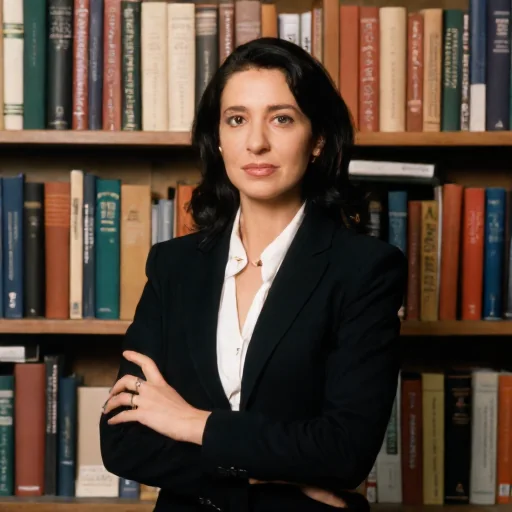

Something doesn’t add up. The leader of a distant nation appears in public, and yet, something feels fundamentally wrong. It’s not just policy decisions that trouble us—it’s the face itself. The image that stares back seems both familiar and alien at once. It all starts with…
The Academic Approach
THE FIRST CLUE Here’s what caught my attention: the stark contrast in appearance between two images of the same individual. One shows a figure with weathered features, the other a seemingly rejuvenated version. Historical precedent suggests that visual manipulation in political imagery is not new—portraits have long been curated to project desired narratives. But what happens when the transformation seems too extreme to be natural?
FOLLOWING THE THREAD And that’s when it hit me: the discussion about focal lengths and camera processing isn’t just technical nitpicking. From an academic perspective, the way we perceive leaders is deeply influenced by visual cues. But wait, it gets even stranger—when you consider that modern imaging technology can alter appearance in ways previously unimaginable. Once you see this pattern, you can’t unsee it: the same questions arise about multiple world leaders, suggesting a systemic issue rather than isolated incidents.
THE BIGGER PICTURE And suddenly, it all makes sense: the unease we feel isn’t just about one leader’s appearance—it’s about the erosion of authenticity in political representation. The pieces were there all along: the body doubles, the AI-enhanced images, the deliberate visual deception. Now you’re starting to see the real picture: we’re living in an era where reality itself can be manufactured, and our leaders’ public personas are curated performances.
WHAT IT MEANS This isn’t just about one leader’s suspicious appearance—it’s a revelation about how we consume political imagery. The uncanny valley of leadership reveals our deep-seated need for authenticity in governance, even as technology makes deception easier than ever.
What We Can Conclude
The investigation into these visual anomalies isn’t just about spotting anomalies—it’s about understanding how our perception of leadership is being manipulated. We’re left with a single idea that makes the entire investigation click into place: in an age where appearance can be manufactured, the search for genuine leadership becomes more critical than ever. The next time you see a political figure, ask yourself: what’s really being shown, and what’s being hidden?