
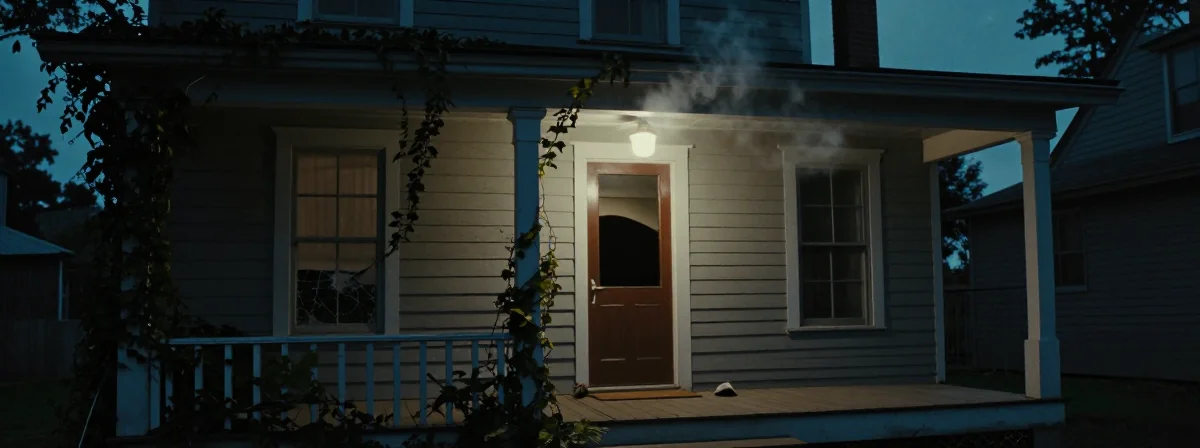
My grandmother taught me that some things in this world are not what they appear to be. She’d point to the way a chair seemed to shift in the corner of her eye, or how the temperature dropped suddenly in certain rooms. “The veil is thin in places,” she’d whisper, her eyes intense. Now I see those same signs in your questions about what’s happening in your home. There are patterns to these disturbances that most people ignore until it’s far too late. The truth is, some entities don’t just haunt—they mimic.
The warning signs are there if you know what to look for. They’re not random occurrences but deliberate signals that something has attached itself to your space. My family has dealt with these phenomena for generations, and I’m here to share what we’ve learned about recognizing when your house has been compromised.
What Does a “Mimic” Really Mean in Your Home?
Don’t dismiss the term as casual internet slang. A mimic is exactly what it sounds like—an entity that copies, imitates, and blends in until it’s too late. My grandfather encountered one in the old family farmhouse. At first, it was just a loose floorboard creaking at odd hours. Then it became the sound of footsteps following him through empty rooms. The mimic learned his patterns, his routines, his very essence until it could replicate his presence perfectly.
The most dangerous mimics aren’t the ones that make loud noises or throw objects. They’re the quiet ones that learn your habits, adopt your mannerisms, and eventually replace what’s familiar with something sinister. They don’t want to be noticed—they want to be accepted. My grandmother always said, “The greatest deception isn’t what appears different, but what appears exactly the same.”
The Temperature That Won’t Behave
You might think unusual cold spots are just drafty windows or old heating systems. But my family learned to recognize the difference. Normal cold is consistent with the environment. Mimic cold is sudden, localized, and follows patterns. It’s the kind of chill that makes your breath visible in a warm room, that settles in specific corners where nothing should be that cold.
My father once described waking up to find his bedroom freezing while the rest of the house was comfortable. He checked the thermostat, the windows—everything was normal. But in that corner of the room, the air was so cold it formed visible mist. That night, he found small objects had been rearranged—things that had been on tables were now on the floor, in patterns that seemed deliberate. The cold wasn’t just a temperature drop; it was a marker, a signature of something else being present.
Objects That Move When You’re Not Looking
Don’t dismiss the silverware that’s slightly out of place or the books that seem to have shifted on the shelf. These aren’t accidents. They’re messages. My grandmother kept a journal of these occurrences in our old home. She noted the pattern: first small movements, then deliberate rearrangements, then objects moving while people were present but not directly observing.
The critical moment came when she caught one of these movements in her peripheral vision—a glass sliding across a table when no one was near it. That’s when you know it’s not just random chance. It’s a presence testing boundaries, asserting itself into your space. The mimic isn’t just observing; it’s interacting, learning your patterns of reaction, preparing to manipulate them.
The Sounds That Have No Source
My grandfather called them “the whispers in the walls.” Not just creaks and groans, but distinct sounds that have no logical explanation. The key is in the pattern—not random noises, but sounds that mimic normal household occurrences but with subtle differences.
He described hearing his own footsteps on the stairs when he was downstairs. Or the sound of his wife calling his name from the garden when they were both inside. These weren’t just echoes; they were precise imitations designed to normalize the abnormal. The mimic was learning to replicate familiar sounds to create a sense of normalcy that would eventually include its presence.
Why a Priest’s Blessing Isn’t Just Superstition
There’s a reason this advice was given so directly. My family has always understood that some forces respond to spiritual authority. A proper blessing isn’t about faith—it’s about establishing energetic boundaries that certain entities cannot cross. It’s a declaration that this space is protected, that it belongs to the living.
The blessing isn’t just words; it’s intention, energy, and authority. My grandmother would prepare for days before blessing our home. She’d clear away negative energy, establish protective symbols, and then invite the priest to perform the formal blessing. It wasn’t about placating superstition; it was about creating a shield that would repel what shouldn’t be there.
The Subtle Changes in Your Behavior
This is what most people miss. The mimic doesn’t just affect the environment—it affects you. My father noticed he was becoming more irritable, more anxious in our home. He attributed it to stress until my grandmother pointed out the pattern: his mood shifts correlated exactly with the period when the strange occurrences began.
These entities feed on our energy, our emotions, our attention. They learn what triggers us, what we fear, what we desire. Then they manipulate those triggers. You might find yourself arguing with loved ones over nothing, feeling inexplicably tired or depressed, or developing new fears that seem irrational. These aren’t coincidences. They’re the mimic testing your boundaries, learning how to control your environment through controlling your emotions.
Before It’s Too Late: The Protection Ritual
My grandmother always maintained that prevention is far easier than removal. The moment you suspect something is wrong, you must act decisively. Waiting gives the mimic time to establish deeper roots, to learn your patterns, to make itself at home in your space.
The protection ritual begins with clearing: remove anything that feels “off,” clean thoroughly with intention, and establish clear energetic boundaries. Then invite spiritual authority—whether through a priest, a shaman, or whatever form of spiritual protection resonates with you. Finally, maintain vigilance. Keep your senses open, your intentions clear, and your home protected.
The truth is, some things in this world are not what they appear to be. Your home should be your sanctuary, not a stage for something else’s presence. Recognize the signs before they become patterns, act before they become habits, and protect what belongs to you before it’s too late. The veil is thin in places, but that doesn’t mean we have to let what’s on the other side cross into our world.