
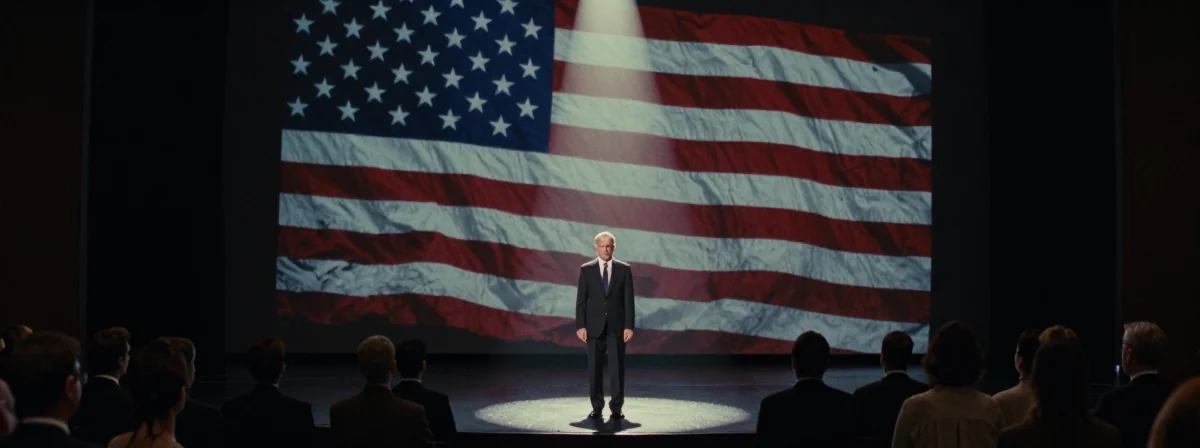
Global alliances have always been the bedrock of international stability, but lately, something’s gone terribly wrong. The US, once a linchpin of global diplomacy, is now finding itself isolated as allies hesitate to back its latest moves. The latest example? The Strait of Hormuz, where a sudden call for help has gone unanswered, leaving the US looking more like a lone wolf than a leader. What’s behind this diplomatic breakdown, and why does it matter to you?
The truth is, foreign policy isn’t just about headlines—it’s about the real-world consequences that ripple through economies, security, and even your daily life. When the US pushes allies away, the cost isn’t just political; it’s economic, social, and strategic. Let’s break down why this is happening and what it means for the future.
Why Is the US Suddenly Alone in the Strait of Hormuz?
The US recently called for allies to help secure the Strait of Hormuz, a critical shipping lane for global oil trade. But the response? Crickets. Just days earlier, the same administration had dismissed the UK’s offer of military support, saying, “We don’t need them anymore.” Now, when the US needs help, no one’s biting.
This isn’t just a matter of pride—it’s a strategic failure. The Strait of Hormuz is the world’s most important energy chokepoint, and instability there can send gas prices skyrocketing worldwide. When the US burns bridges with allies, it’s not just about geopolitics; it’s about your wallet at the pump.
The irony? The US doesn’t need allies logistically, but it needs them politically. Without cooperation, every military move becomes a solo act, and that’s a dangerous game in a connected world.
What Happens When Diplomacy Turns into a Power Play?
Diplomacy is supposed to be about cooperation, not dominance. But lately, the US has treated allies like pawns in a power game. Take the Greenland fiasco—when the US floated the idea of buying a territory from a NATO ally, it wasn’t just bad policy; it was a slap in the face of trust. Allies aren’t just military assets; they’re partners. When you treat them like accessories, they start looking for ways to distance themselves.
The result? A cycle of isolation. The US pushes allies away, then wonders why no one’s there when it needs help. It’s like that friend who only calls when they need something—eventually, no one picks up.
And it’s not just the US losing. Global stability suffers. When the world’s superpower can’t work with others, smaller conflicts escalate, trade routes become vulnerable, and everyone’s security is at risk.
The Hidden Cost of “America First”
The “America First” doctrine sounded great in theory, but in practice, it’s left the US paying a steep price. Allies aren’t just military backups—they’re economic partners, trade allies, and co-investors in global stability. When the US turns its back on them, it’s not just about politics; it’s about real-world consequences.
Consider NATO. It’s a defensive pact, not an offensive one. The US can’t demand allies join a war just because it wants to attack someone. That’s not how alliances work. Yet, the administration seems to think NATO is a personal army for the US president. The result? Allies are increasingly wary of US demands, and that hesitation isn’t just political—it’s strategic.
And what about the global economy? Tariffs and trade wars have already shown how interconnected the world is. When the US alienates allies, it’s not just about diplomatic snubs; it’s about supply chains, markets, and economic stability. The cost of isolation? Higher prices, fewer opportunities, and a world that’s less willing to cooperate.
Is This a “4D Chess” Move—or Just Bad Policy?
Some say this is all part of a grand strategy—a “4D chess” move to shake things up. But the reality is simpler: bad policy has consequences. When the US treats allies with contempt, it doesn’t strengthen its position; it weakens it.
Take the recent diplomatic back-and-forth. The US dismisses offers of help, then acts surprised when no one comes to its aid. It’s like playing a game where you burn the rulebook, then wonder why no one’s playing by your rules.
The truth? There’s no grand strategy here—just a series of missteps that are eroding trust and stability. And that’s not just a political problem; it’s a problem for everyone who relies on a stable, cooperative world.
What Does This Mean for the Future?
The US is at a crossroads. It can continue down this path of isolation, burning bridges and wondering why no one’s there when it needs help. Or it can recognize that global leadership isn’t about dominance—it’s about partnership.
The next time the US calls for help, will anyone answer? The answer depends on whether the US starts treating allies like partners again. Because in a world where everything is connected, no one can go it alone.
The diplomatic blunder isn’t just about headlines—it’s about the real-world consequences that affect us all. And until the US learns that lesson, the cost will keep rising.