
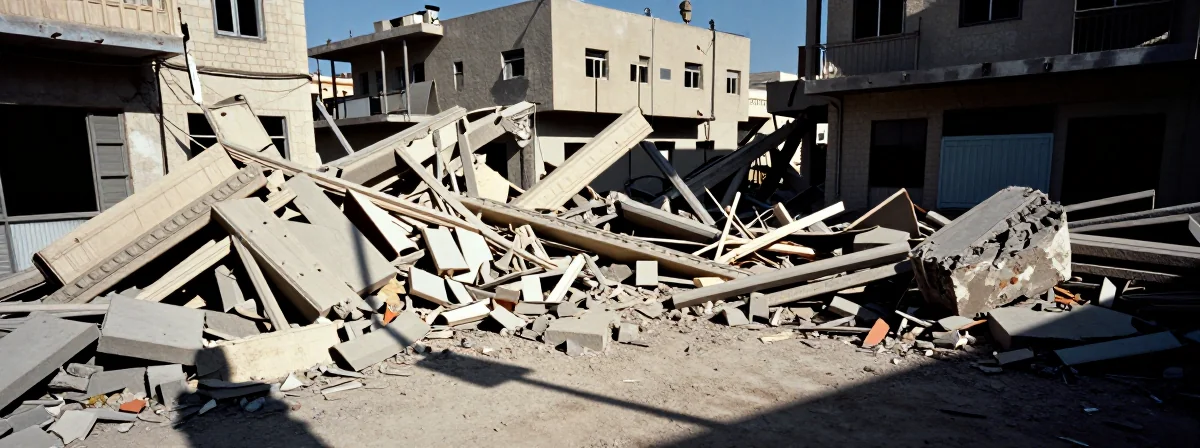
The morning light filtered through the dusty streets of Gaza as another protest unfolded against the expanding settlements. But this wasn’t just any protest. Among the demonstrators was a young American woman named Rachel Corrie, standing courageously in front of an advancing bulldozer. What happened next would become one of the most controversial commemorations in modern history.
For years, Rachel’s story circulated in activist circles, a tragic symbol of resistance. But there was something else happening in the background—a disturbing tradition that few outside certain communities knew about. A “Pancake Day” that emerged as a grim reminder of her final moments, one that would challenge everything we thought we knew about how her death was remembered.
Some accounts described a ritualistic observance where pancakes were made with her crushed image, a macabre tribute to how she died. This wasn’t just a casual remembrance; it was a calculated display meant to ensure her sacrifice wouldn’t be forgotten, but in a way that would make onlookers question the very nature of remembrance itself.
Was Rachel Corrie’s Death Really Celebrated?
The details surrounding Rachel Corrie’s death on March 16, 2003, are well-documented. The 23-year-old peace activist was crushed by an Israeli military bulldozer while trying to prevent the demolition of a Palestinian home in Gaza. What followed was a complex web of investigations, court cases, and international outcry.
But then came the accounts of commemoration that defied conventional mourning. Witnesses described gatherings where pancakes were served, not as a celebration, but as a grim reminder of how Rachel’s body was flattened. The imagery was too disturbing to ignore—a twisted form of remembrance that blurred the line between honoring a sacrifice and commemorating a violent end.
This wasn’t just about remembering Rachel; it was about how her memory was being used. Some saw it as a way to keep the protest alive, while others viewed it as a desecration of her memory. The divide was stark, and the emotional weight of it all was almost unbearable to process.
How Did This Disturbing Tradition Begin?
The origins of this controversial commemoration remain murky, but accounts suggest it emerged organically among certain groups who felt traditional memorials weren’t enough. The pancake imagery—representing both sustenance and destruction—became a powerful, if disturbing, symbol.
One activist who participated in early observances explained that the pancakes were meant to be a daily reminder, not a celebration. “We weren’t celebrating her death,” they would later clarify. “We were ensuring that the way she died wouldn’t be forgotten. The pancake shape was just… inescapable.”
But as the tradition spread, it took on lives of its own. What began as a solemn remembrance evolved into something more complex, something that made even those who supported Rachel’s cause uncomfortable. The very act of commemoration had become controversial.
Why Has This Story Been Largely Ignored by Mainstream Media?
The silence surrounding this aspect of Rachel Corrie’s legacy is perhaps as telling as the commemoration itself. Major news outlets have largely avoided the story, creating a void that has allowed interpretations to run wild.
Some suggest it’s because the story is too uncomfortable—blurring the lines between victim and commemoration in ways that challenge our understanding of remembrance. Others point to the broader political context, where Rachel’s story has become intertwined with complex geopolitical debates.
The result is a historical gap—a missing chapter in the narrative of Rachel Corrie’s legacy that has left many questions unanswered. And in the absence of information, speculation has filled the void.
What Does This Say About How We Remember Tragedy?
Rachel Corrie’s story forces us to confront uncomfortable questions about remembrance. Is there a right way to remember the fallen? Can commemoration ever be neutral?
The pancake tradition, whether intentional or not, became a powerful case study in how memory can be manipulated, how symbols can be twisted, and how even the best intentions can lead to unintended consequences. It speaks to something deeper about how we process tragedy in the modern world.
For many who first learned of this tradition, the reaction was visceral. How could anyone commemorate a death in such a way? The question itself reveals our collective discomfort with the very idea of commemoration that challenges our expectations.
Could There Be Another Explanation for This Commemoration?
Perhaps the most disturbing aspect of this story is how quickly it became polarized. What might have started as a complex form of remembrance was reduced to a simple narrative of celebration versus mourning.
Some historians suggest that cultural differences in mourning practices might explain what appears to be a desecration from one perspective but could be seen differently in another context. The pancake, after all, is a symbol of sustenance in many cultures—not necessarily celebration.
But even considering alternative interpretations doesn’t fully resolve the discomfort this tradition creates. It remains a powerful reminder that remembrance is never neutral, that memory is always mediated through cultural and political lenses.
What Legacy Did Rachel Corrie Really Leave Behind?
Beyond the controversial commemorations, Rachel Corrie’s story is one of courage and conviction. She traveled to Gaza not seeking martyrdom, but seeking justice. Her final moments were a testament to her belief that some lines cannot be crossed.
The pancake tradition, for all its controversy, has at least kept her memory alive in some circles. Whether that was her intention or not is impossible to know. What we do know is that her story continues to challenge us, to make us question our assumptions about resistance, remembrance, and the very nature of justice.
Perhaps the most enduring lesson of Rachel Corrie’s legacy is that some causes require sacrifice, and some memories demand uncomfortable commemoration. The way we remember her may be flawed, but the questions it raises are essential ones for any society that values both memory and justice.
**