The morning news cycle often feels like background noise until something shifts—until you catch a headline that sends a chill down your spine. Historical precedent suggests that when the world’s attention is diverted, the most significant events are often planned. The current climate, marked by geopolitical tensions and domestic unrest, feels like a powder keg waiting for a spark. But what if the fuse has already been lit? What if the clues are staring us in the face, hidden in plain sight?
From an academic perspective, patterns emerge when we examine past terror attacks. The 9/11 attacks, for instance, were preceded by unusual insurance policies and suspicious transactions. Fast forward to today, and similar patterns are surfacing—only this time, the stakes may be higher. The research indicates that symbolic targets, nationwide disruptions, and psychological operations are the new playbook.
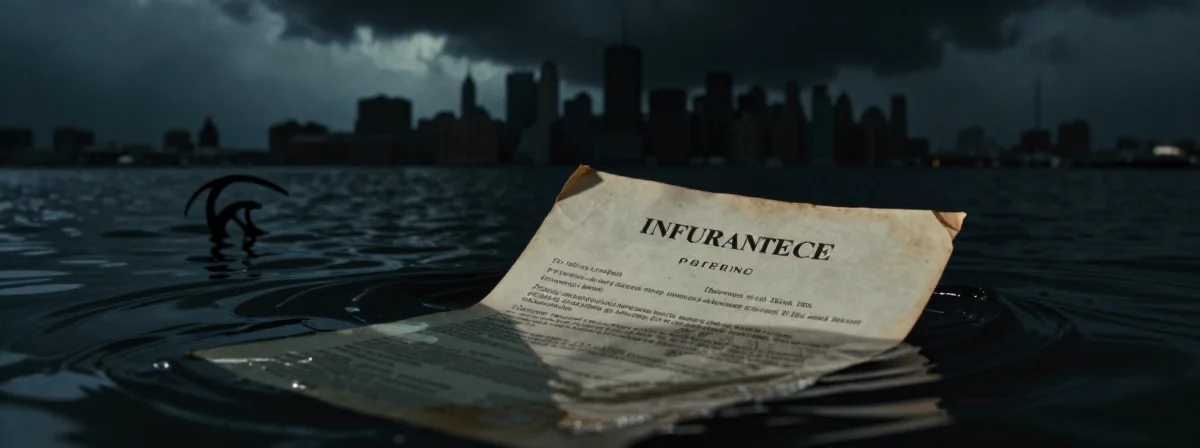
Specific details matter. Consider the recent insurance policy taken out on a prominent West Coast tower. Larry Silverstein, whose name echoes through history for his role in the 9/11 insurance claims, has once again secured a policy against terrorism. This isn’t a coincidence. The building in question is his only West Coast property, and the timing is suspiciously precise.
Why This Building Isn’t the Target—But Something Bigger Is Coming
Historical precedent suggests that terror attacks today must be more than just destructive—they must be psychologically devastating. Skyscrapers falling, as we saw on 9/11, no longer shock the masses. The next attack will need to be something no one expects, something that cripples the nation’s infrastructure or strikes at its core identity.
A drone attack on Mount Rushmore, for example, would be devastatingly symbolic. It can’t be rebuilt, and it would send a message that resonates across the country. Or consider a nationwide blackout, poisoning the water supply, or a dirty bomb in a major city. These scenarios aren’t far-fetched—they’re the logical next steps in the evolution of terror tactics.
The research indicates that the current state of security agencies like the TSA and DHS leaves much to be desired. Funding gaps and operational inefficiencies create vulnerabilities that could be exploited. Meanwhile, misinformation campaigns have become a weapon in their own right. In an era where “chronically online” populations are easily swayed, the need for a physical attack diminishes. The psychological impact can be achieved through disinformation alone.
The Role of Wealth and Influence in Shaping the Next Attack
From an academic perspective, wealth and influence often dictate the trajectory of such events. Larry Silverstein’s insurance policy isn’t just a financial move—it’s a signal. The man who profited from 9/11 is now positioning himself for another disaster. This isn’t about religion or ideology; it’s about power and control.
The flip side of this is equally chilling. If the goal is to manipulate public opinion, a physical attack may not even be necessary. Misinformation campaigns can achieve the same effect without leaving a trace. The question isn’t whether something will happen—it’s whether we’ll even realize it when it does.
Numerology and Symbolism: The Hidden Language of Terror
For some reason, numerology and symbolism have become intertwined with these predictions. The idea that events will unfold on dates like 6-6-26 or July 11th feels less like coincidence and more like a deliberate signal. Historical precedent suggests that symbolic dates have always played a role in shaping public perception.
But here’s the counterpoint: numerology often emerges after the fact, used to justify predictions that were vague to begin with. The research indicates that people are drawn to patterns, even when they don’t exist. This doesn’t mean the predictions are wrong—it just means we must approach them with critical thinking.
Why California—and Why Now?
California has long been a target of speculation, and for good reason. It’s a hub of influence, wealth, and cultural significance. A disruption there would send ripples across the nation. The timing, too, is critical. With midterm elections looming and global tensions high, the potential for manipulation is immense.
From an academic perspective, the goal isn’t just destruction—it’s control. By creating chaos, those behind such events can reshape narratives, consolidate power, and silence dissent. The research indicates that this is a pattern as old as history itself.
The Unspoken Truth About False Flags
The most unsettling idea is that governments and elites may orchestrate these events. The notion that “they” don’t care about the people is a dark but plausible reality. Historical precedent suggests that false flags have been used throughout history to justify wars, suppress opposition, and transfer wealth.
The evidence is circumstantial, of course, but the patterns are undeniable. When officials claim to know about rings of “evil wealthy pedophiles” but refuse to name names, the suspicion grows. The research indicates that transparency is often the first casualty in such scenarios.
What Happens If It All Comes True?
If the predictions materialize—if the insurance policy pays out, if a symbolic attack occurs, if misinformation campaigns succeed—the world will change. The question isn’t whether we’ll survive it; it’s whether we’ll recognize what happened.
The research indicates that the most effective manipulations are those we don’t see coming. The morning habit of scrolling through news feeds, the casual acceptance of rumors as facts—these are the cracks through which the manipulation seeps.
The Single Idea That Makes It All Click
The truth is simpler than we think. The next terror attack, whether physical or psychological, will be a reflection of our own vulnerabilities. We’re so focused on the “what” that we forget to ask “why.” The answer lies not in the targets or the dates but in the systems of power that benefit from chaos.
Historical precedent suggests that awareness is the first step. The research indicates that the moment we stop dismissing the signs, we gain the upper hand. The next attack may be inevitable, but our response doesn’t have to be.