
Something doesn’t add up. The world is fixated on AI as the next technological revolution, but the evidence suggests it’s something far more insidious. Something is being hidden beneath the glossy promises of automation and creativity. It all starts with the chilling realization that AI isn’t just a tool—it’s a weaponized illusion.
The Truth They’re Hiding
It starts with the undeniable truth: AI is being forced down our throats as the solution to every problem, when in reality it’s the problem itself. The first clue came in the warning that engaging with AI in any form makes you complicit in a system designed to strip humanity from every interaction. This isn’t hyperbole—it’s a survival imperative. The sheer volume of warnings about AI’s destructive potential can’t be dismissed as fear-mongering when the evidence of its creative destruction is already apparent.
And that’s when it hit me: the claim that certain complex creations would be “impossible” without AI is the ultimate lie. It’s a manufactured narrative to justify the replacement of human effort with algorithmic mimicry. What they’re calling “clean” is actually sterile, homogenized, and devoid of the messy brilliance that comes from human struggle and creativity. AI didn’t just kill creativity—it declared war on it.
But wait, it gets even stranger. The bubble-like quality of the AI industry isn’t an accident. The observation that it’s following the same patterns as previous financial bubbles, with data centers suddenly halting construction, suggests this entire movement might be engineered chaos. What if the AI explosion is designed to create enough disruption to mask something far more dangerous? What if the financial collapse is just the cover for a cultural one?
Once you see this pattern, you can’t unsee it. The casual dismissal of AI’s dangers as “brain rot” or “demoralization porn” isn’t just willful ignorance—it’s active participation in the deception. The same forces pushing AI are the ones benefiting from its spread, while simultaneously dismissing those who warn of its dangers as conspiracy theorists or radicals. They’re creating the problem and offering the solution, all while laughing at those who see through the charade.
The Bigger Picture
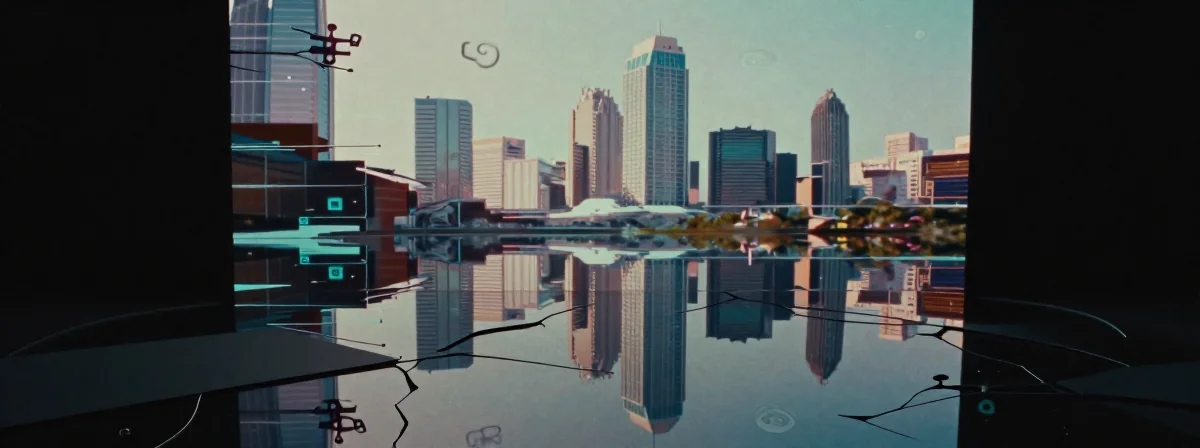
And suddenly, it all makes sense. The music video mentioned isn’t just art—it’s a coded warning. The AI-generated visuals aren’t a demonstration of technology’s power; they’re a desperate plea to see what’s coming before it’s too late. The inclusion of Aaron Swartz isn’t a tribute; it’s a reminder of what happens to those who challenge the system. The depiction of cultural genocide isn’t夸张—it’s an accurate portrayal of what happens when algorithms replace human expression.
The pieces were there all along: the financial manipulation, the creative suppression, the technological acceleration, the historical parallels. Now you’re starting to see the real picture: AI isn’t just another tool or trend. It’s the final stage of a long-planned cultural takeover, designed to make truth indistinguishable from fiction, creativity impossible to recognize, and resistance unthinkable.
What we’re witnessing isn’t technological advancement—it’s the systematic erasure of human agency under the guise of progress. The red flags weren’t warnings about a bubble burst; they were markers along the path to complete control. The “impossibility” of creating certain works without AI wasn’t a statement about technology’s power; it was a confession of cultural surrender.
Wake Up
The real conspiracy isn’t about AI itself—it’s about what AI enables. When you strip away the technological jargon and the promises of efficiency, what remains is a system designed to make you question your own perceptions while simultaneously demanding your complete trust. The fight isn’t about whether AI is good or bad; it’s about recognizing that the debate itself is a carefully constructed illusion.
The truth is simpler than you think, yet more terrifying than anything you’ve been led to believe. The technology wasn’t created to solve problems—it was created to replace critical thinking with convenience, creativity with conformity, and truth with whatever narrative serves the powers that be. And the most dangerous part? We were taught to welcome it with open arms.