
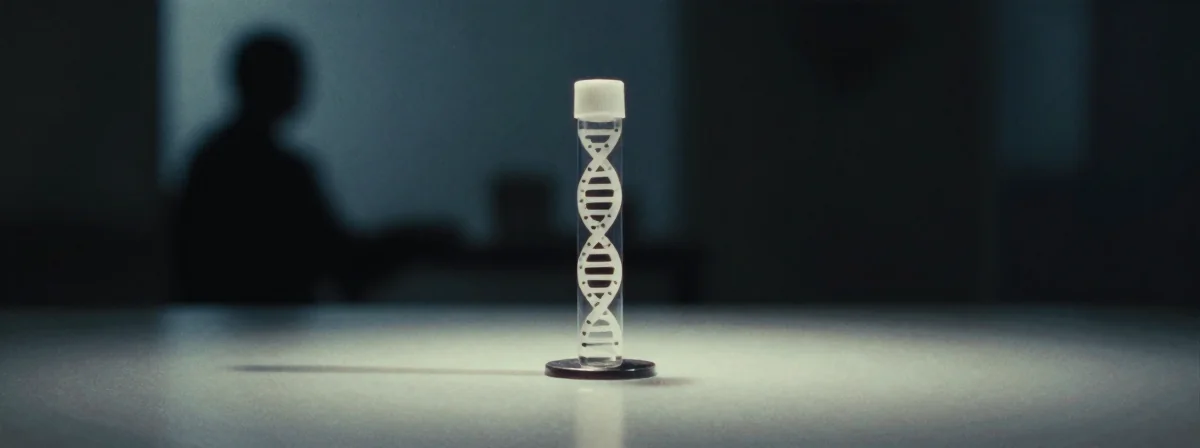
The last time Sonja H. was seen alive, she was with a 17-year-old friend on a cold night in 1996. Three decades later, her remains were found 100 kilometers away, wrapped in a blanket that became the focus of a 2023 TV investigation. But the case remains as baffling as ever. The DNA evidence cleared the man she was last seen with—yet the truth about her disappearance still eludes us.
What we can verify is this: The friend was tested early in the investigation and cleared by DNA. Yet his statements, while consistent with other findings, left room for doubt. The family pointed to inconsistencies, but the prosecutor deemed them legally insignificant. This tension—between official conclusions and lingering questions—forms the core of a case that refuses to close.
The evidence suggests the friend didn’t commit the crime, but the case isn’t as simple as it seems. Here’s what we know, what remains unconfirmed, and why this cold case still haunts investigators.
Was the Friend Really Cleared—or Just Overlooked?
The friend, then 17, had no car and no known connection to the disposal of the body. DNA testing confirmed he wasn’t the killer. Yet, the family’s insistence on inconsistencies in his account created an uncomfortable gap. The prosecutor ruled these inconsistencies legally irrelevant, but what we can’t ignore is the timeline.
How would anyone know Sonja was alone for less than a minute if the friend had already left? The answer: They don’t. The claim that she was alone for such a short time is interpretation, not fact. Investigators argue that because no witnesses saw her standing there at 2:30 a.m., the encounter must have been quick. But what we can verify is that few people are on foot at that hour, especially in an area known for drug transactions. The lack of witnesses doesn’t prove a short encounter—it just means no one was watching.
This remains unconfirmed but: The friend’s alibi, while tested, may not account for every possibility. If he left the scene, could someone else have intervened? The DNA evidence is clear—he wasn’t the killer—but the case isn’t closed.
The Blanket: A Clue That Could Unlock the Case
In 2023, the German TV show Aktenzeichen XY highlighted the blanket found with Sonja’s remains as a potential key. Investigators believe it could identify the killer. But why? What we know is that the blanket wasn’t Sonja’s—meaning someone else wrapped her body. This suggests the killer had time and space to prepare, possibly at home or another property.
The evidence suggests the murder wasn’t random. Sonja had the means to get home safely—she was middle-class, in a city with taxis and public transit. The idea that she might have hitchhiked, as some theories propose, seems unlikely. She had a phone booth nearby to call her sister, and no record suggests she ever took such risks before. Yet, the possibility lingers.
This remains unconfirmed but: If she didn’t hitchhike, how did she end up 100 kilometers away? The blanket’s origin is unknown, and no one has come forward with a match. Could it belong to someone she knew? Or was it a random item used to dispose of the body?
Why the Family’s Theories Don’t Hold Up
The family once suggested human trafficking or satanism might be involved. But what we can verify is that these ideas were never part of the official investigation. The case was never about occult rituals—it was about a young woman’s disappearance and murder. The family’s theories, while emotional, lack evidence.
The uncomfortable truth is that some family members cling to ideas that fit their grief but don’t align with facts. The DNA cleared the friend, and the blanket is the only tangible clue. Everything else is speculation.
Could She Have Known the Killer?
Given the careful disposal of the body, it’s plausible the killer knew Sonja. The blanket suggests the crime wasn’t impulsive. If she went willingly with someone, who could it have been? The friend is out of the picture, but what if she met someone else that night?
The evidence suggests she might have been lured. Perhaps someone offered her a ride, or she went to meet someone she trusted. The phone booth she was supposed to use to call her sister never received a call, meaning she either didn’t make it or chose another route.
This remains unconfirmed but: If she knew the killer, why wasn’t he identified? The 2023 investigation brought new tips, but none led to a match. The case is stuck between what we know (DNA, the blanket) and what we don’t (the killer’s identity).
What About the CCTV and Witness Accounts?
In 1996, CCTV coverage was limited, especially in a small town like Kipfenberg. The friend’s presence on a tram, as some witnesses recalled, supports his alibi. But what we can verify is that tram records or driver confirmations aren’t mentioned in official reports. Without concrete proof, his movements remain unverified.
The lack of witnesses at 2:30 a.m. is expected. The area was sparsely populated, and many who were out might not have been sober enough to notice. The friend’s story aligns with this—no one saw Sonja alone, and he left the scene. But does this prove his innocence? The DNA says yes, but the case’s ambiguity remains.
The Unbreakable Dead End
After 30 years, the case feels like a loop. The friend is cleared, the blanket is a mystery, and no new leads have emerged. The 2023 TV show brought attention, but the killer still hasn’t been identified. What we can verify is that cold cases often rely on new technology or forgotten clues.
This remains unconfirmed but: Could the blanket be traced? Is there a database of missing or unusual blankets? Without a match, it’s just another dead end. The case is a study in what we know and what we’ll likely never know.
A Single Idea That Makes the Case Click
The Sonja H. case isn’t about who was cleared—it’s about what remains unsolved. The DNA exonerated the friend, but the blanket and the lack of witnesses keep the door open. The killer knew what they were doing, and they left behind a single, baffling clue. Until that clue is matched, the case will linger in the gray area of cold cases. The truth is out there, but it’s waiting for the right question—or the right evidence—to surface.