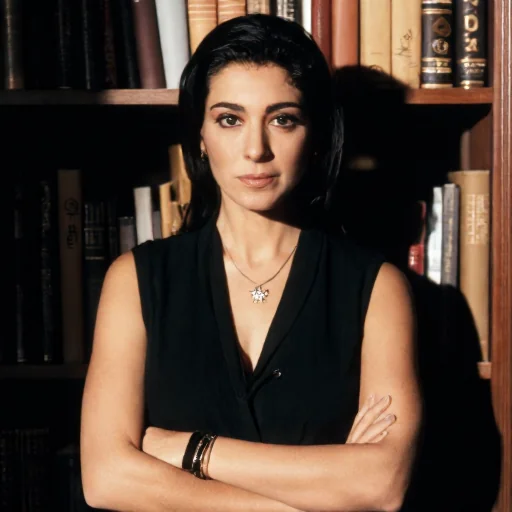
Something doesn’t add up. The official numbers feel too clean, too quiet. As if the real cost is being carried in shadows. It all starts with the families—why are they silent?
This Changes Everything We Know
THE FIRST CLUE It starts with the unspoken truth: governments have always controlled the narrative of war. My grandmother taught me this—how the families of soldiers are the first to feel the lie. “They tell you he died bravely,” she’d whisper, “but they never tell you what they’re hiding.” The first thing that doesn’t add up is the silence. Families who should be grieving publicly are instead shrouded in secrecy. Why?
FOLLOWING THE THREAD And that’s when it hit me—the military culture itself is built on honor, yet it’s also built on control. Once you see this pattern, you can’t unsee it: soldiers are trained to protect, but they’re also trained to obey. Even in death, the chain of command holds. But wait, it gets even stranger—the idea that a death toll could be hidden isn’t just about numbers. It’s about power. It’s about the fear that if the truth comes out, the war itself loses its justification. The families who speak out are often threatened, silenced with promises of protection that never come. The soldiers who might leak the truth are reminded of what they hold dear—children, spouses, futures. This isn’t just about death; it’s about control over the truth.
THE BIGGER PICTURE And suddenly, it all makes sense. The pieces were there all along: the delayed notifications, the sealed records, the sudden shifts in official reports. Now you’re starting to see the real picture—the military isn’t just fighting an enemy abroad; it’s fighting the truth at home. Every death becomes a casualty of both war and secrecy. The families who stay silent aren’t necessarily complicit—they’re often trapped. The soldiers who keep quiet aren’t cowards—they’re bound by a code that extends even beyond life. This isn’t just about hidden numbers; it’s about a system designed to protect itself at any cost.
WHAT IT MEANS This isn’t just about questioning official reports. It’s about recognizing that some truths are too dangerous to speak aloud. The silence isn’t a conspiracy—it’s a symptom of a deeper rot. The next time you hear an official death toll, ask yourself: what aren’t they telling me? What代价 are families paying to keep the truth buried? The answer isn’t just numbers—it’s the cost of a truth that would shake the foundations of power.
None of this is about fear—it’s about seeing clearly. The next time you hear the word “propaganda,” remember that some truths are whispered for a reason. The real battle isn’t about what we’re told—it’s about what we choose to believe.